


 SoftBank Raises $11.1 Billion in Bond Sale to Fund OpenAI Investment
  SoftBank Launches $11 Billion Bond Sale to Fund OpenAI Investment
  Former OpenAI Data Center Chief Chris Malone Joins Nvidia
  Xi Calls for Deeper U.S.-China AI Cooperation in Trump Talks
  Meta Unveils Muse Charm AI Device, Expands Smart Glasses Lineup
  Burnham Eyes UK Leadership Role in AI Ahead of Trump Meeting
  Anthropic’s Claude Discovers CRISPR-Like Enzyme System
  Trump Plans Federal AI Force and AI Czar
  China Reviews Broadcom Switch Use in State Data Centres
  Microsoft Stock Upgraded as Stifel Sees Stronger Azure Growth
  OpenAI Urges US-Led Global Standards for Frontier AI
  SpaceX Nasdaq 100 Weight to More Than Double in Rebalance
  Apple Extends Qualcomm Patent Licensing Deal
  OpenAI to Preview GPT-6 Cyber AI Model for Cybersecurity
  China’s ‘Lipstick King’ Says AI Won’t Replace Livestream Hosts
  Jeff Bezos Invests $32 Billion in Blue Origin as Space Firm Targets Major Growth


 Add as a preferred source on Google
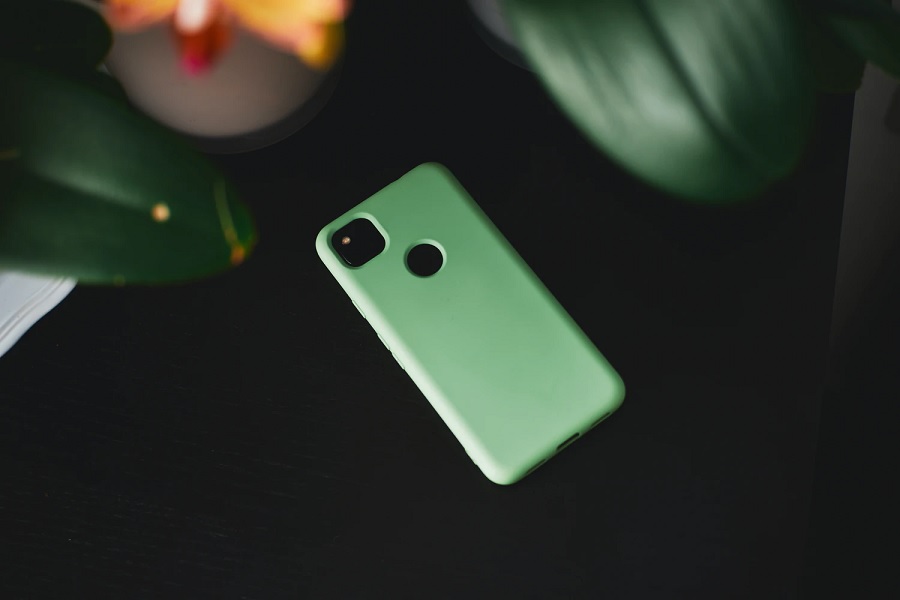
Google could be following Apple and Samsung in including an ultra-wideband (UWB) chip to its flagship smartphones. However, it is unclear if it will happen in time for the launch of Pixel 6.
Is Pixel 6 launching with ultra-wideband support?
One of the new trends in mobile devices right now is having UWB support, especially as Samsung and Apply start selling their respective Tile-like trackers that work with UWB connectivity. Compared to Bluetooth, UWB has been hailed for allowing devices to gather more precise location data.
XDA Developers editor-in-chief Mishaal Rahman reported recently that Google started to test the UWB support API available on Android 12 on a device only identified as “raven.” Rahman noted that the said codename could correspond with the upcoming Pixel phones powered by a Google-made chipset only known as GS101 for now. But it is unclear whether the UWB support is actually planned for the Pixel 6.
I don't have any more details to share, such as confirmation that a next-gen Pixel will indeed support UWB, if Google is working on any UWB/BT trackers, whether "raven" is the Pixel 6 or 6 XL, etc.
— Mishaal Rahman (@MishaalRahman) April 30, 2021
In any case, Google will have some catching up to do in this department. Apple started adding UWB support to its smartphones in 2019 on iPhone 11, while Samsung did so in 2020 with the Galaxy Note 20 Ultra.
Pixel 6 release date and other features to expect
Google is expected to release one more phone before the Pixel 6, which could explain why there is not much leak yet about the next-generation device. However, an earlier version of the Android 12 developer preview may have made references that suggest the Pixel 6 could be released with an under-display fingerprint scanner.
As mentioned, Google is also rumored to be working on launching its own processor reportedly internally called “Whitechapel.” Axios mentioned in April that the first prototypes of Whitechapel became available only recently at the time. It appears to have similar components with a flagship SoC, including ARM-based architecture and an 8-core process.
Meanwhile, there are more things left unanswered about the Pixel 6 series. For one, it is still unknown if Google is bringing back the XL variant this year after launching a lone-device series in 2020. The next-generation smartphone is likely arriving in the fall, possibly in late September or early October.
Featured photo by Max Simonov on Unsplash







