


 NASA Cuts Boeing Starliner Missions as SpaceX Pulls Ahead
  FDA Lifts REMS Requirement for CAR-T Cell Cancer Therapies
  Tabletop particle accelerator could transform medicine and materials science
  SpaceX’s Starship Completes 11th Test Flight, Paving Way for Moon and Mars Missions
  Is space worth the cost? Accounting experts say its value can’t be found in spreadsheets
  NASA Astronauts Wilmore and Williams Recover After Boeing Starliner Delay
  Astronomers have discovered another puzzling interstellar object − this third one is big, bright and fast
  Trump and Merck KGaA Partner to Slash IVF Drug Costs and Expand Fertility Coverage
  SpaceX Starship Test Flight Reaches New Heights but Ends in Setback
  Trump Signs Executive Order to Boost AI Research in Childhood Cancer
  Blue Origin’s New Glenn Achieves Breakthrough Success With First NASA Mission
  SpaceX Prioritizes Moon Mission Before Mars as Starship Development Accelerates
  Cogent Biosciences Soars 120% on Breakthrough Phase 3 Results for Bezuclastinib in GIST Treatment


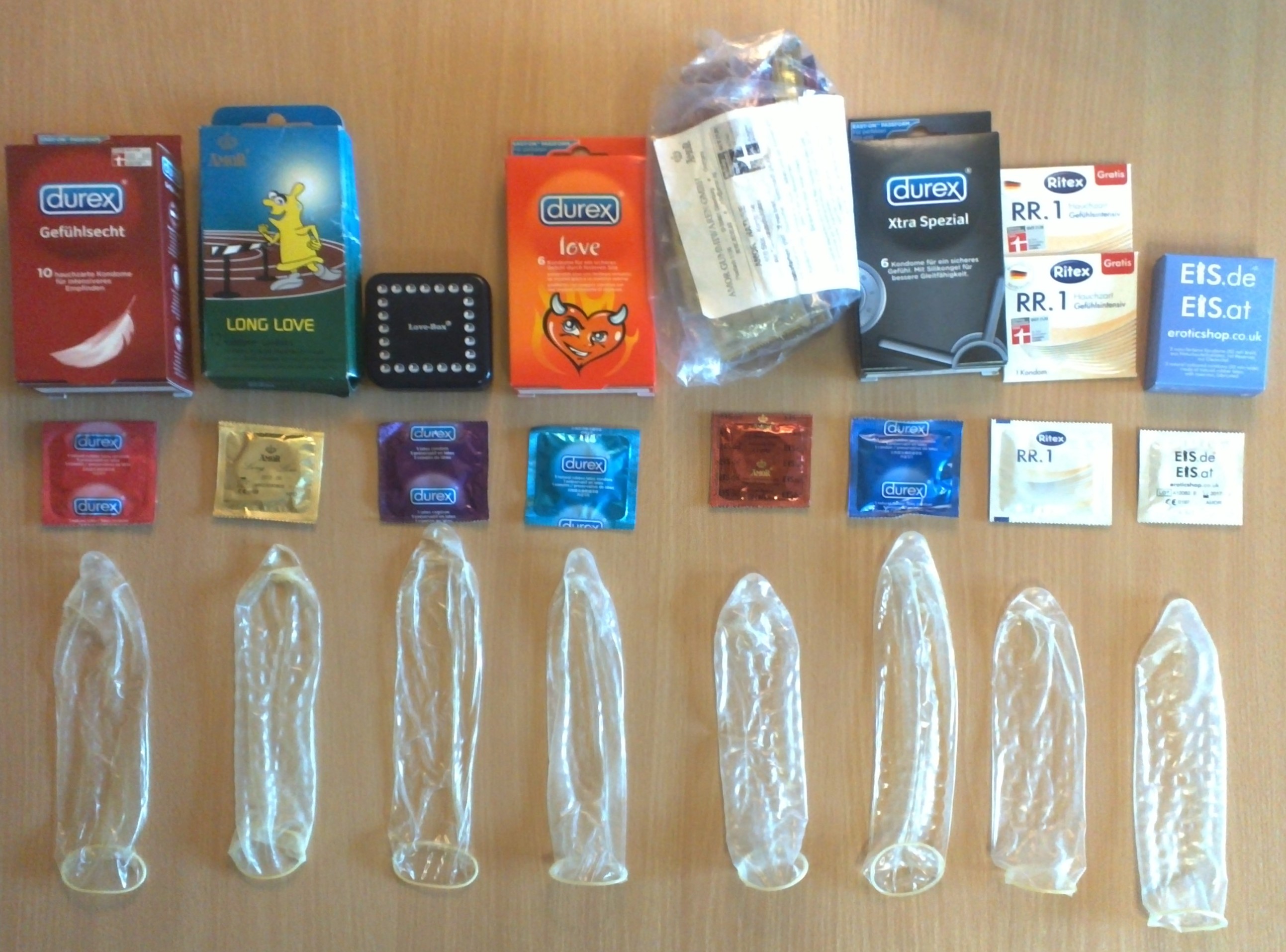
A new method of contraception that men can use has just passed a major test and is on its way to becoming a viable commercial birth-control method. It involves the injection of a substance that can control the amount of sperm that males can produce. This provides men with a permanent solution that beats what wearing a condom or undergoing vasectomy can offer. What’s more, it’s entirely reversible.
Right now, men only have a few options with regards to contraception, Futurism notes. Either they wear condoms or get a vasectomy. Of course, there’s always the option of abstinence, but that’s not really a viable solution for most males. This is why Vasalgel is such a huge deal because it involves a single injection that can remove a substantial amount of pressure that people feel every day.
The threat of pregnancy can have a severe impact on several aspects of people’s lives. Studies have shown how societies with limited options in birth control are more likely to experience poverty, shorter life-spans, and an increased vulnerability to diseases. There’s also the matter of crippling anxiety and depression that often accompanies unexpected or unintended pregnancies, which teens represent a considerable percentage of.
So, how does Valagel work? According to the Parsemus Foundation’s website where the contraceptive’s page is hosted, it’s basically like putting a filter in the tube where sperms swim through in order to limit how much of the little tadpoles can get past.
“The procedure is similar to a no-scalpel vasectomy, except a gel is injected into the vas deferens (the tube the sperm swim through), rather than cutting the vas (as is done in vasectomy),” the site’s description reads. “If a man wishes to restore flow of sperm, whether after months or years, the polymer is flushed out of the vas with another injection.”













