


 DOJ Will Investigate AI-Related Crimes, Attorney General Blanche Says
  Taiwan Thanks US for Support Ahead of Trump-Xi Summit
  Trump, Xi Focus on Trade and AI at White House Summit
  Netanyahu Defends Israel at UN as Delegates Stage Walkout
  U.S. Imposes New Visa Restrictions Over South Africa Policies
  Nvidia-Groq AI Chip Deal Faces U.S. Antitrust Probe
  US Bans Canadian Alcohol, Motorcycles as Trade War Escalates
  US Backs Musk in Fight Against EU’s €120 Million X Fine
  FDA Weighs Safety Standards for Psychedelic Therapies
  US Senate Rejects Iran War Powers Resolution in 50-49 Vote
  Kremlin Says No Decision Yet on Putin-Trump December Summit
  Mexico-US Trade Talks Delayed to October as Tariff Negotiations Continue
  FAA Allows Boeing to Sell 35 More 777F Freighters Beyond 2028
  Pentagon Restarts Testosterone Testing for US Troops
  China Reviews Broadcom Switch Use in State Data Centres
  Trump Administration Removes Confederate Memorial Criticism From Arlington Website
  US Immigration Arrests Surge as Deportations Lag Behind


 Add as a preferred source on Google
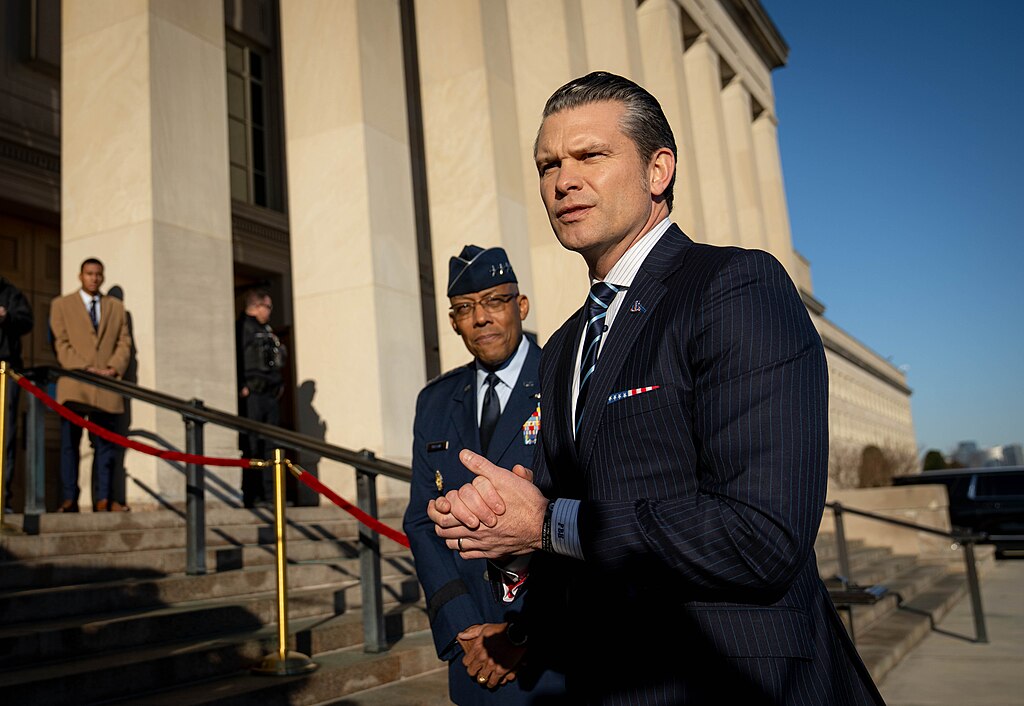
U.S. Defense Secretary Pete Hegseth has dismissed several members of Department of Defense advisory committees following a comprehensive 45-day internal review, according to a statement released Thursday by Pentagon spokesperson Sean Parnell.
The move reflects a significant realignment within the Defense Department, aimed at aligning its advisory groups with evolving strategic goals and national defense priorities. Parnell stated that while the department is grateful for the service and insights provided by the outgoing committee members, the leadership determined that a restructuring was necessary to enhance operational efficiency and better utilize departmental resources.
“Secretary Hegseth appreciates the members’ efforts on behalf of the department and the United States of America, but changes are needed to support the new strategic direction and policy priorities,” the statement read.
The Defense Department advisory committees play a key role in shaping military policy and long-term planning, offering independent advice on a range of national security issues. Their restructuring signals the Pentagon’s intent to streamline its operations and integrate fresh perspectives in line with current defense strategies.
This decision comes amid broader efforts by the Biden administration’s Pentagon leadership to modernize the military and prioritize emerging threats such as cyber warfare, artificial intelligence, and geopolitical shifts involving Russia and China.
The Department of Defense did not release the names of those removed or specify which advisory panels were affected. However, the change is expected to pave the way for new appointments that reflect the administration’s defense outlook and evolving military landscape.
With this overhaul, the Pentagon aims to ensure its advisory bodies remain agile, relevant, and aligned with the United States’ global security objectives. The shakeup underscores a commitment to innovation and adaptability in an increasingly complex international security environment.







