


 Trump, Xi Focus on Trade and AI at White House Summit
  South Korea, US Discuss Warship Building Cooperation
  Abbas Reaffirms November 28 Palestinian Elections
  US Backs Musk in Fight Against EU’s €120 Million X Fine
  Netanyahu Takes Aim at Mamdani as Israel Election Nears
  Venezuela Promises Elections as Delcy Rodriguez Pledges Democratic Transition
  Yemen Violence Displaces 130,000 as Civilian Toll Rises
  Ghana Says Western Support Growing for Slave Trade Reparations
  Gaza Faces Evacuation Crisis as War-Damaged Buildings Risk Collapse
  Trump Administration Plans Faster FDA Reviews for Smoke-Free Nicotine Products
  US Senate Rejects Iran War Powers Resolution in 50-49 Vote
  US Officials Split Over Response to Israeli West Bank Settlements
  France Defends Netanyahu Airspace Clearance Despite ICC Warrant
  Netanyahu’s Brief US Trip Highlights Strains With Trump
  EU Defence Build-Up Too Slow for 2030 Russia Readiness Goal
  Judge Orders Trump to Restore White House Access for CNN, MS NOW and Politico
  Sudan Rejects US Legitimacy Remarks, Defends Sovereignty


 Add as a preferred source on Google
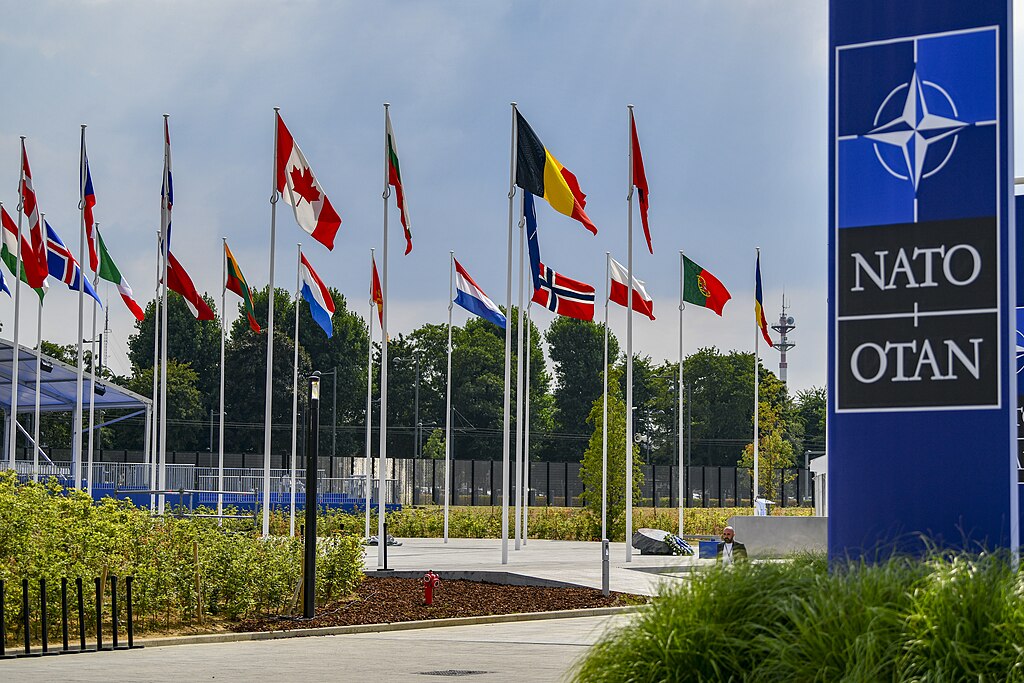
NATO is increasing intelligence-sharing among its members as the alliance responds to a series of suspected sabotage and hybrid warfare incidents linked to Russia, according to its top military commander.
U.S. Air Force General Alexus Grynkewich, NATO’s Supreme Allied Commander Europe, said the recent incidents were concerning but stressed that the alliance has the capabilities and mechanisms needed to manage potential threats from Moscow.
His comments followed a warning from Denmark’s defence intelligence service that Russia could intensify hybrid operations against Western countries in the coming months. The agency also assessed a “low but growing risk” of a limited Russian military attack against one or more NATO countries bordering Russia.
Recent incidents cited include an attempted drone attack at Germany’s Leipzig/Halle Airport and a Russian vessel firing flares toward a Danish military helicopter. Russia has repeatedly denied involvement in sabotage or hybrid warfare operations targeting NATO members and has rejected claims that it is preparing for a confrontation with the alliance.
Grynkewich described a direct Russian attack on NATO territory as unlikely but said it could not be completely ruled out. He emphasized that NATO remains prepared to defend its territory and said he has the authority needed to respond if threats escalate.
NATO is also undergoing a broader command restructuring as European allies assume greater responsibility for regional security. A British Army general is taking command of NATO’s Joint Force Command Norfolk from a U.S. Navy vice admiral, while a European officer will also take charge of Joint Force Command Naples.
The Norfolk command oversees NATO operations across the Arctic and northern Europe and plays a key role in protecting transatlantic military supply routes.
Grynkewich also sought to reassure European allies amid Washington’s review of U.S. military deployments in Europe. Around 80,000 U.S. troops are currently stationed on the continent.
He said there was no predetermined decision on future U.S. troop numbers or which capabilities could be relocated, adding that Washington would continue providing critical, though more limited, capabilities as European NATO members take on greater responsibility.







