


 Judge Blocks Trump Rule Limiting Foreign Student Visas
  US Resumes Immigrant Visa Processing for Hungary, Poland
  SEC Probes Banks Over Situational Awareness Hedge Fund Collapse
  Hims & Hers Shares Fall as GLP-1 Costs Widen Q2 Loss
  FDA Names Permanent Drug and Biologics Center Chiefs
  Hanmi Pharm Soars 30% on $2.3 Billion Genentech Obesity Drug Deal
  Alcohol is one of the most dangerous drugs, yet its presence is ubiquitous in social settings and celebrations
  Trump Administration Moves to Strip ABA of Law School Accreditor Status
  New Mexico Measles Outbreak Cost Reached $5.4 Million, Study Finds
  US Judge Dismisses Imran Ahmed Deportation Lawsuit
  Australia Plans New Rules Giving Users Control Over Social Media Feeds
  AstraZeneca, Bristol Myers Squibb Explore Mega Merger Worth Nearly $400 Billion
  Moderna Wins FDA Approval for mFLUSIVA mRNA Flu Vaccine for Adults 50+
  GLP-1 Weight-Loss Drug Use Surges Among U.S. Children


 Add as a preferred source on Google
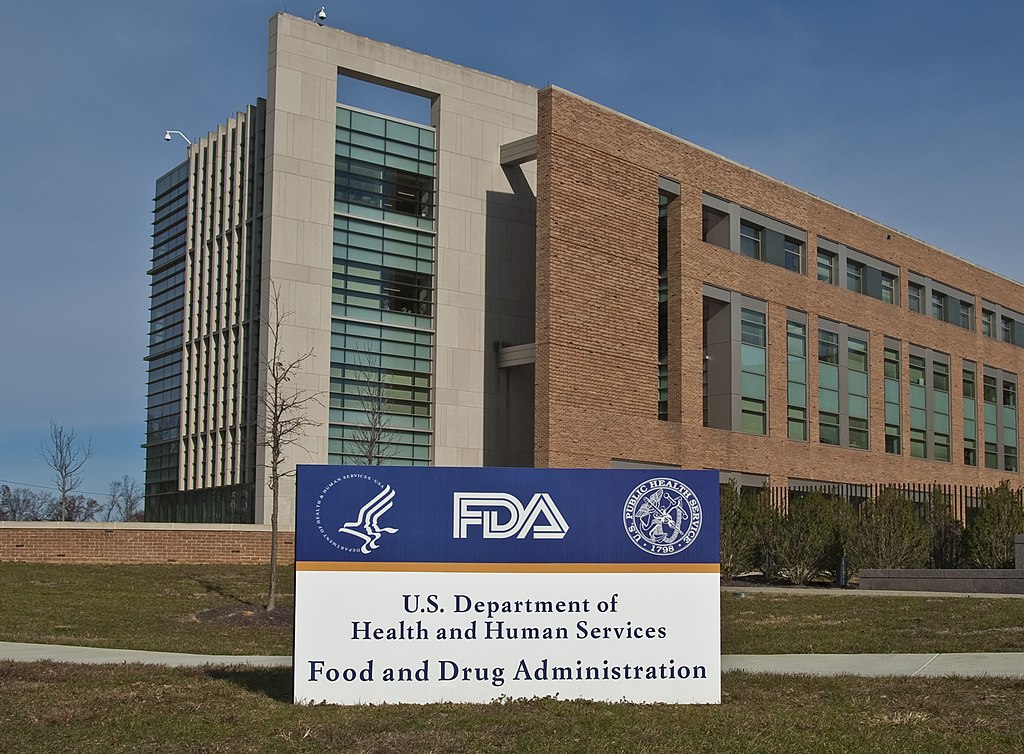
Doctors, veterans, pharmacists and therapists are calling on the U.S. Food and Drug Administration to establish clear safety and access standards for psychedelic therapies as the Trump administration seeks to accelerate development of the emerging treatments.
During a four-hour FDA public meeting on Monday, experts discussed how psychedelic drugs should be tested, approved and delivered to patients. The hearing follows an administration initiative launched in April to help qualified psychedelic treatment programs reach the market.
Key issues included provider training, patient screening, clinical monitoring, insurance reimbursement, treatment capacity and long-term safety data. Experts stressed that psychedelic therapy sessions, which can last six to 12 hours, should involve trained professionals who remain present with patients. Proper screening, follow-up care and community support were also considered essential.
Participants also called for more detailed clinical data involving women. Researchers were urged to account for menstrual cycles, pregnancy, postpartum status, perimenopause, menopause, hormonal conditions and other medications that could affect treatment outcomes.
Melissa Lavasani, CEO of the Psychedelic Medicine Coalition, warned that potentially important safety and efficacy differences could be hidden by broad population averages.
Access and affordability emerged as another major concern. Experts said FDA approval would have limited impact if insurers fail to cover psychedelic treatments or providers receive inadequate reimbursement. U.S. Air Force veteran Lynn Watkins argued that a breakthrough therapy cannot fulfill its promise if patients cannot realistically access it.
The meeting came shortly after senior FDA officials published a New England Journal of Medicine paper describing a framework for psychedelic drug development and approval. The agency indicated openness to flexible clinical trial designs, including approaches addressing “functional unblinding,” where noticeable psychedelic effects can reveal whether participants received the active treatment.
Industry executives believe stronger federal support could improve coordination between the FDA and Drug Enforcement Administration and reduce regulatory delays, although approved psychedelic treatments may still be years away.
Analysts say clearer rules for safe, supervised psychedelic therapy could benefit developers including AtaiBeckley, Compass Pathways, Definium Therapeutics, Helus Pharma and GH Research as research into treatments for PTSD and major depressive disorder advances.







