


 Oil Prices Surge as U.S.-Iran Diplomacy Hopes Fade
  Oil Prices Rise as U.S.-Iran Talks Fuel Diplomacy Hopes
  Gold Prices Rise as Oil Slump Eases Fed Rate Hike Fears
  RBA Says ASX Still Falls Short on Governance and Risk Controls
  Dollar Hits Two-Month High as Fed Rate Hike Bets Rise
  U.S. Dollar Hits Eight-Week High After Fed Rate Hike
  Yen Weakens as Dollar Gains on Widening US-Japan Rate Gap
  U.S. 10-Year Treasury Yield Hits 2007 High as Fed Rate Hike Bets Rise
  European Stocks Slip as Iran Tensions Offset Strong Eurozone Data
  Gold Drops Over 1% as Dollar, Treasury Yields Surge on Fed Rate Hike Bets
  South Korea, US Discuss Warship Building Cooperation
  Asian Stocks Mixed Ahead of Trump-Xi Meeting
  US, Japan and South Korea Back Taiwan Ahead of Trump-Xi Summit
  Oil Prices Extend Losses as U.S.-Iran Talks Ease Supply Fears
  Japan Private-Sector Growth Slows as Domestic Demand Weakens
  China’s ‘Lipstick King’ Says AI Won’t Replace Livestream Hosts


 Add as a preferred source on Google
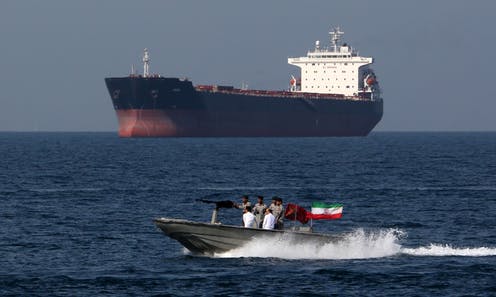
Oil prices fell during Asian trading on Thursday, giving back some of the previous session’s gains as investors assessed escalating U.S.-Iran tensions alongside signs that diplomatic efforts could still ease the conflict.
Brent crude futures for November delivery dropped 1% to $102.10 a barrel as of 00:32 GMT, while West Texas Intermediate (WTI) crude futures declined 0.7% to $91.50. Brent had surged nearly 4% on Wednesday, while WTI gained almost 2%.
The pullback followed Iranian President Masoud Pezeshkian’s speech at the United Nations General Assembly. Pezeshkian said Tehran would not surrender to U.S. pressure but remained willing to pursue diplomacy.
His remarks came after U.S. President Donald Trump warned that Iran could face severe military consequences if an agreement to end the conflict was not reached.
A senior Iranian official said Tehran was reviewing Washington’s response to an Iranian proposal aimed at ending hostilities, although substantial differences remained. Indirect negotiations have included discussions over reopening the Strait of Hormuz and potentially lifting the U.S. naval blockade on Iran.
The Strait of Hormuz remains critical for global energy markets because roughly one-fifth of worldwide oil and gas shipments normally pass through the waterway. Iranian security chief Mohsen Rezaei said Wednesday that the strait would remain closed until Tehran’s conditions were satisfied.
Meanwhile, improving Middle East oil supplies have capped crude price gains. Saudi Arabia has restarted its East-West pipeline to the Red Sea, while Iraq has increased exports and expects additional shipments through Turkey.
U.S. inventory data also pressured oil prices. Energy Information Administration figures showed crude stockpiles increased by 3 million barrels to 426.4 million barrels during the week ended September 18, compared with expectations for a 640,000-barrel decline.
Gasoline inventories fell by 1.7 million barrels, while distillate stocks declined by 400,000 barrels.
Diesel markets also remained in focus after reports that the White House was considering a 90-day diesel export ban. The administration later rejected the report as “fake news,” while tight distillate supplies continued to support concerns about the U.S. diesel market.







