


 Netanyahu Defends Israel at UN as Delegates Stage Walkout
  NATO Boosts Intelligence Sharing Amid Russia Hybrid Threats
  Taiwan Thanks US for Support Ahead of Trump-Xi Summit
  Netanyahu’s Brief US Trip Highlights Strains With Trump
  Abbas Reaffirms November 28 Palestinian Elections
  Trump, Xi Visit US National Archives After White House Summit
  Sudan Rejects US Legitimacy Remarks, Defends Sovereignty
  What ‘Taiwan Independence’ Means as Xi Presses Trump on US Policy
  France Defends Netanyahu Airspace Clearance Despite ICC Warrant
  Saudi Arabia, Turkey and Pakistan Plan Urgent Defence Talks Over Houthi Attacks
  Netanyahu Takes Aim at Mamdani as Israel Election Nears
  Yemen Violence Displaces 130,000 as Civilian Toll Rises
  North Korea Rejects Nuclear Test Warning, Calls Nuclear Status Irreversible
  Judge Orders Trump to Restore White House Access for CNN, MS NOW and Politico
  Trump Asks Supreme Court to Restore Third-Country Deportations
  South Korea, US Discuss Warship Building Cooperation
  US Backs Musk in Fight Against EU’s €120 Million X Fine


 Add as a preferred source on Google
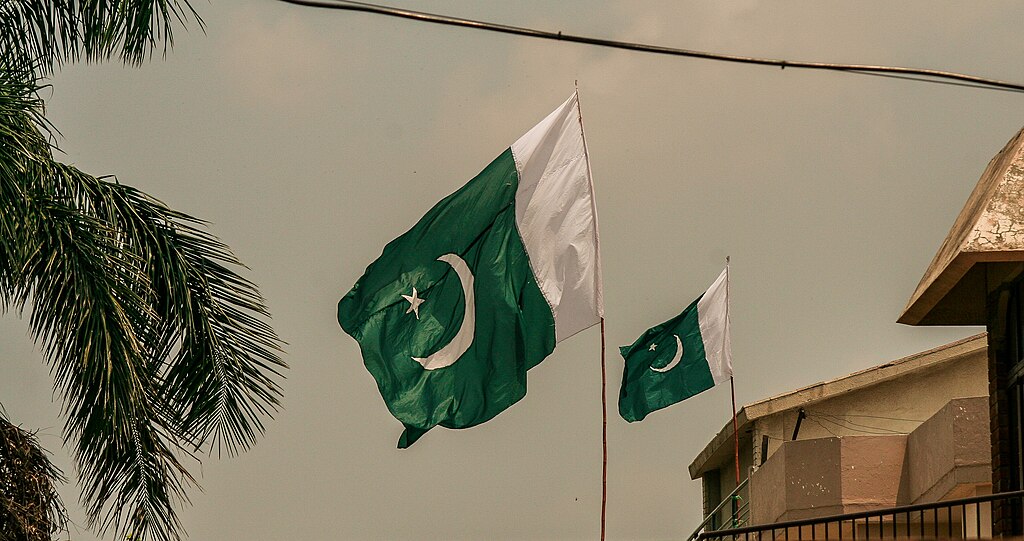
Pakistan and China have reaffirmed their commitment to deepening strategic communication and coordination at all levels, according to a statement from Islamabad following a high-level meeting in Beijing between their foreign ministers. The two allies emphasized the importance of continued dialogue to promote regional stability and bilateral cooperation.
The meeting comes at a time of heightened geopolitical sensitivity in South Asia. China, acting as a key regional stakeholder, expressed strong support for peaceful dialogue between Pakistan and India. Beijing reiterated its position on Tuesday, welcoming efforts by both nations to address their differences through diplomatic channels and work toward a comprehensive and lasting ceasefire.
China and Pakistan share a longstanding partnership rooted in economic, military, and diplomatic collaboration, with recent engagements focusing on advancing the China-Pakistan Economic Corridor (CPEC), a cornerstone of China’s Belt and Road Initiative. During the meeting, both sides discussed ways to strengthen economic integration, enhance regional connectivity, and jointly address security concerns.
China’s endorsement of peaceful conflict resolution between India and Pakistan highlights its growing role as a mediator in South Asian affairs. It also aligns with Beijing’s broader strategy to foster stability in the region, which is crucial for its economic initiatives and political influence.
Pakistan, for its part, values China as a trusted ally amid shifting global alliances and ongoing tensions with neighboring India. By reinforcing bilateral coordination and mutual support, Islamabad aims to bolster its regional standing and economic prospects through strengthened diplomatic ties with Beijing.
This renewed commitment to diplomatic collaboration underscores the evolving dynamics of China-Pakistan relations and their shared vision for a peaceful and stable South Asia. The outcome of the Beijing meeting signals both countries’ intent to maintain strategic alignment while promoting dialogue-based resolutions in the region.







