


 Burnham Eyes UK Leadership Role in AI Ahead of Trump Meeting
  Trump Says U.S.-Iran Peace Deal Near After UN Talks
  Zelenskiy Warns Russia Preparing Major Attack on Ukraine
  Trump Administration Plans Faster FDA Reviews for Smoke-Free Nicotine Products
  Canada Unveils Bill to Fast-Track Major Resource Projects
  US, China Extend Trade Truce to Jan. 10 Ahead of Trump-Xi Summit
  US Officials Split Over Response to Israeli West Bank Settlements
  Ghana Says Western Support Growing for Slave Trade Reparations
  Taiwan Vows to Advance US Arms Sales Ahead of Trump-Xi Meeting
  Iran Vows ‘Crushing’ Response as US Talks Continue
  Russian Strikes Kill Eight Across Ukraine as Energy Sites Hit
  South Korea, US Discuss Warship Building Cooperation
  Gaza Faces Evacuation Crisis as War-Damaged Buildings Risk Collapse
  Sudan Rejects US Legitimacy Remarks, Defends Sovereignty
  Trump Meets Venezuela’s Delcy Rodriguez at UN Assembly
  Europe Warns Russia Is Escalating Hybrid Attacks Across NATO
  Marco Rubio to Meet Russia’s Lavrov in New York


 Add as a preferred source on Google
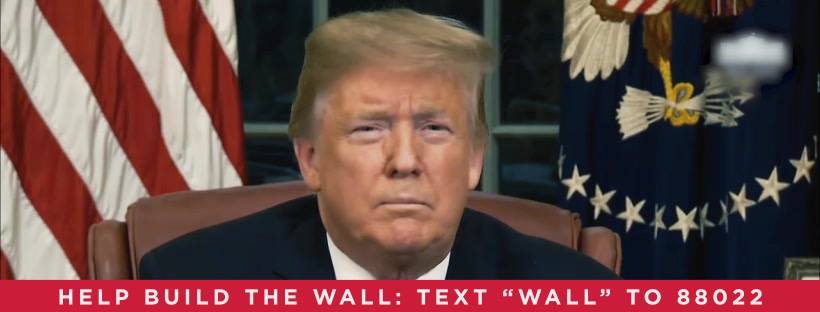
President Donald Trump surprised everyone when he ordered a strike against Iran’s second most powerful figure, Maj. Gen. Qassim Suleimani, which resulted to his death. But even days after the incident, public opinion remains divided on whether or not the President made the right call.
There are a number of people who positively view Donald Trump’s strike against Suleimani, according to The New York Times. “His death does not mark the end of Iran’s hegemonic project, but it does serve a heavy blow to the regime’s ability to expand its influence and deal with erupting crises,” Center for Global Policy director Hassan Hassan wrote.
Eurasia Group president and political scientist Ian Bremmer called the strike a win for the U.S. “I’m far from a Trump supporter,” Bremmer tweeted. “But impossible not to call Iran outcome a win for US president and a big opportunity going forward.”
Others view the action as a very potent show of force and deterrent not just for Iran, but for other hostile countries as well. “Other international actors, including North Korea, will now be more wary of provoking Trump,” columnist Max Boot wrote on The Washington Post.
But a lot of people strongly disagree with the strike. One concern is that the U.S. might have set a precedent that it’s okay to target unprotected and unarmed representatives of other countries.
“Assassinating Soleimani was an egregious violation of one of the baseline rules of international diplomacy — if two countries are not at war, then their senior leadership is off-limits to attack,” Ryan Cooper wrote on The Week. “If it’s fine to kill Iranian statesmen while they are traveling to a peace conference, in public and undefended, then it’s fine for Iran (or some other power) to blow up, say, Vice President Pence when he is on a diplomatic trip to Ireland or somewhere.
Others argue that what Trump did was simply wrong. “The United States has no right to bomb other countries, to try to overthrow governments, or to assassinate other states’ officials,” Greg Shupak wrote on Jacobin. However, he also conceded that the U.S. has been doing those deeds for so long that the practices became accepted. As the NY Times pointed out, the U.S. orchestrated 1953 in Iran that overthrew its democratic government.
Even the House of Representatives, which just impeached Donald Trump last December, is taking steps to limit the President’s ability to use military action against Iran, CNN reported. The House voted 224-194 a resolution “to terminate the use of United States Armed Forces to engage in hostilities in or against Iran.”







