


 South Korea, US Discuss Warship Building Cooperation
  US 10-Year Treasury Yield at 6% Emerges as New Market Risk Threshold
  Gold Holds Near $4,275 as Rising Treasury Yields Fuel Fed Rate Hike Bets
  RBI Uses $10 Billion Currency Swaps to Drain Excess Rupee Liquidity
  Australia Unemployment Hits Five-Year High Despite Strong Jobs Growth
  Russian Envoy Dmitriev Heads to US for Ukraine Talks
  Oil Prices Surge as U.S.-Iran Diplomacy Hopes Fade
  European Stocks Fall as Bond Yields and Geopolitical Risks Weigh
  Wall Street Ends Flat as Oil, Treasury Yields and Fed Jitters Rattle Markets
  Japan Private-Sector Growth Slows as Domestic Demand Weakens
  Trump, Xi Focus on Trade and AI at White House Summit
  Mexico-US Trade Talks Delayed to October as Tariff Negotiations Continue
  Wall Street Falls as Treasury Yields Surge, Oil Rebounds on Iran Tensions
  Fed Unveils Stablecoin Rules Under GENIUS Act
  Japanese Bank Stocks Surge as Bond Yields Fuel Rate Hike Bets
  China’s ‘Lipstick King’ Says AI Won’t Replace Livestream Hosts


 Add as a preferred source on Google
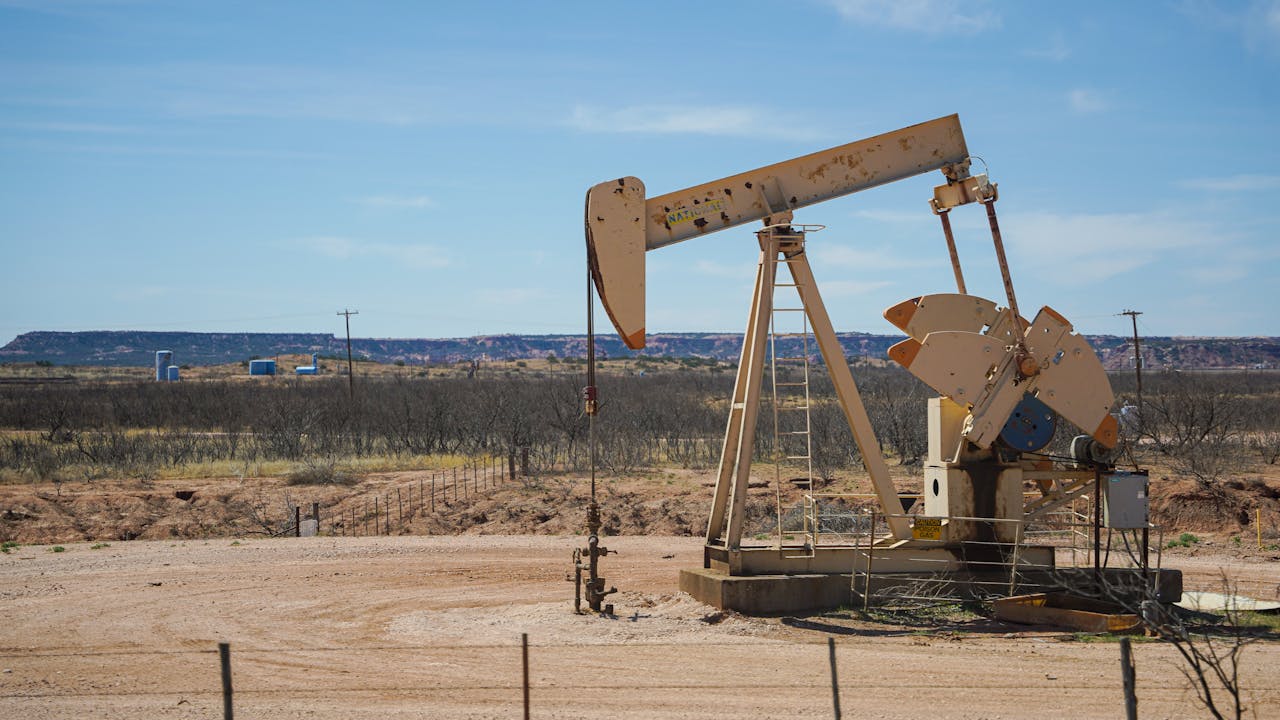
Global oil markets experienced a dramatic selloff on Wednesday after U.S. President Donald Trump announced a two-week ceasefire agreement with Iran, easing fears of a major disruption to Middle East energy supplies. Brent crude futures plummeted 13.6% to $94.40 per barrel, while U.S. West Texas Intermediate crude dropped 15.8% to $95.20 per barrel during early morning trading.
The de-escalation came just hours before Trump's self-imposed 8:00 p.m. Eastern deadline, which had threatened devastating military strikes on Iranian infrastructure if Tehran refused to reopen the Strait of Hormuz. Trump stated that U.S. military objectives had already been met and that Iran had submitted a multi-point proposal that could form the foundation of a broader diplomatic agreement. Pakistan played a significant behind-the-scenes role in brokering the last-minute talks between both nations.
Iran signaled a conditional openness to de-escalation, indicating that vessels could safely transit the Strait during the ceasefire period, so long as hostilities ceased and ships coordinated with Iranian authorities. Trump also took to social media to announce that the U.S. would assist in clearing the growing tanker backlog in the waterway, calling the development "a big day for world peace."
The Strait of Hormuz, a narrow chokepoint that handles approximately 20% of the world's oil supply, had been effectively shut for weeks due to Iranian threats against passing vessels. Reports also emerged that Iran had been developing a fee-based transit system for certain ships crossing the strait.
Despite the positive developments, market analysts remain cautious. Capital Economics Group Chief Economist Neil Shearing noted that while the framework appears to allow full tanker passage, the specific terms governing transit remain uncertain. Investors are now closely watching whether oil flows through the strait will resume consistently, as some vessel operators are still unsure whether conditions are safe enough to navigate.







