


 Fed Unveils Stablecoin Rules Under GENIUS Act
  Gold Prices Fall as Treasury Yields Rise on Fed Rate Hike Bets
  Oil Prices Ease as Iran Tensions Clash With Diplomacy Hopes
  Asian Currencies Mixed as Dollar Holds Near Two-Month High
  China’s ‘Lipstick King’ Says AI Won’t Replace Livestream Hosts
  Russian Envoy Dmitriev Heads to US for Ukraine Talks
  Mexico-US Trade Talks Delayed to October as Tariff Negotiations Continue
  European Stocks Fall as Bond Yields and Geopolitical Risks Weigh
  Oil Prices Surge as U.S.-Iran Diplomacy Hopes Fade
  Gold Holds Near $4,275 as Rising Treasury Yields Fuel Fed Rate Hike Bets
  Wall Street Ends Flat as Oil, Treasury Yields and Fed Jitters Rattle Markets
  Japan Private-Sector Growth Slows as Domestic Demand Weakens
  Trump, Xi Focus on Trade and AI at White House Summit
  Australia Unemployment Hits Five-Year High Despite Strong Jobs Growth
  US, China Extend Trade Truce to Jan. 10 Ahead of Trump-Xi Summit
  Japanese Bank Stocks Surge as Bond Yields Fuel Rate Hike Bets
  Asian Stocks Fall as Surging Bond Yields Rattle Markets


 Add as a preferred source on Google
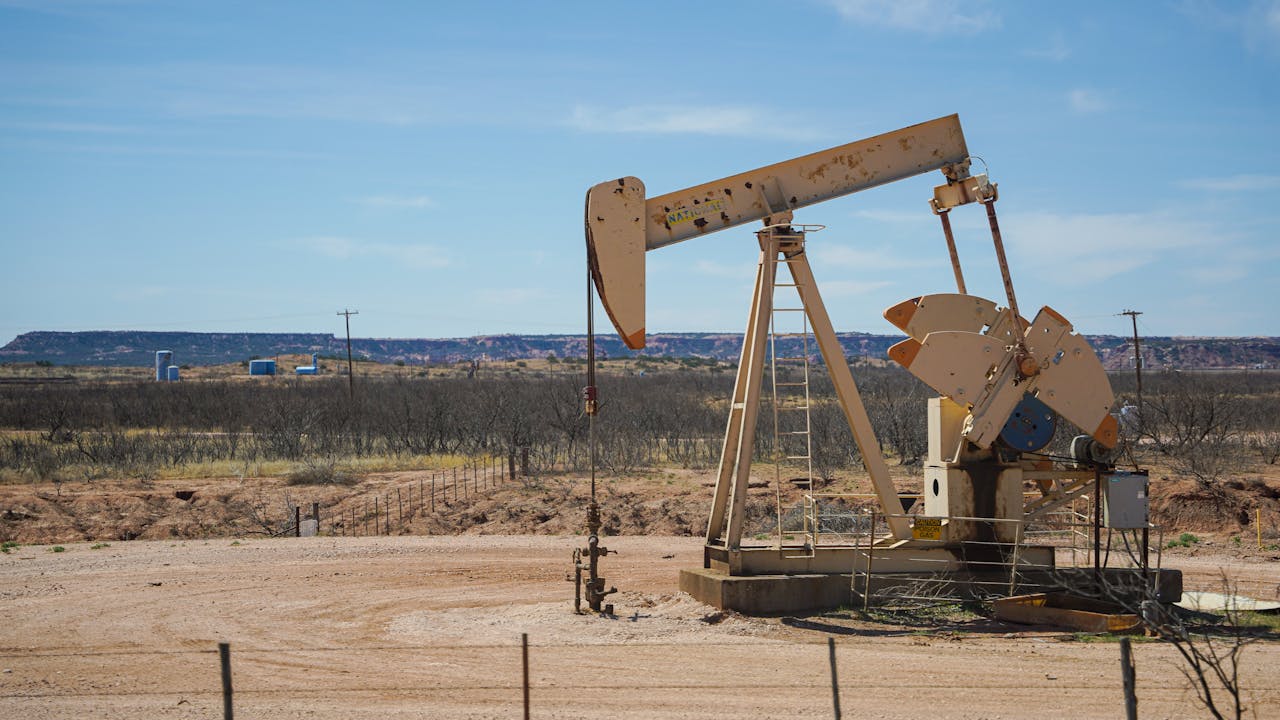
Oil prices moved higher on Friday as escalating tensions between the United States and Iran heightened fears of potential supply disruptions in global energy markets. Investors reacted after Washington warned that Tehran could face severe consequences if it fails to reach a nuclear agreement within 10 to 15 days. The renewed geopolitical uncertainty pushed Brent crude futures up 21 cents, or 0.3%, to $71.87 per barrel, while U.S. West Texas Intermediate (WTI) crude gained 23 cents, or 0.4%, to $66.66 per barrel.
On Thursday, both benchmarks settled at their highest levels in six months after President Donald Trump cautioned that “really bad things” could occur if Iran does not agree to curb its nuclear program. Although Iran maintains that its nuclear activities are peaceful, the U.S. believes otherwise, increasing the risk of further diplomatic strain or possible conflict.
Adding to market concerns, Iran announced plans for joint naval exercises with Russia shortly after temporarily closing the Strait of Hormuz for military drills. The strategic waterway, which borders Iran and the oil-rich Arabian Peninsula, handles roughly 20% of the world’s oil supply. Any disruption in the Strait of Hormuz could significantly tighten global crude supply and drive oil prices even higher.
Supply-side factors also supported the recent rally in crude oil prices. According to the U.S. Energy Information Administration, U.S. crude inventories fell by 9 million barrels last week as refinery utilization and exports increased. Meanwhile, Saudi Arabia’s oil exports declined to 6.988 million barrels per day in December, marking the lowest level since September, based on data from the Joint Organizations Data Initiative.
In Asia, Japan’s core consumer inflation slowed to 2.0% in January, the weakest pace in two years. Softer inflation may delay potential interest rate hikes by the Bank of Japan. Lower interest rates in major oil-importing nations like Japan are generally viewed as supportive for global oil demand and crude prices, reinforcing the bullish sentiment in energy markets.







