


 Israeli Airstrike Kills Six Palestinians in Gaza as Trump Peace Plan Stalls
  Israeli Airstrike Kills Six Palestinians in Gaza as Trump Peace Plan Stalls
  US, South Korea Cut Joint Military Drills After Trump Orders Reduced Role
  Trump Administration Allocates $206 Million for Gaza Peacekeeping Force
  Trump Approval Rating Hits Presidency Low as Iran War Concerns Grow
  Trump Eyes 15% Tariff on Canadian Auto Imports in New Trade Deal
  Israeli Airstrikes Kill 10 Palestinians in Gaza as Ceasefire Diplomacy Stalls
  Pentagon Weighs Permanent U.S. Military Drawdown in Persian Gulf
  US, South Korea Cut Joint Military Drills as Trump Seeks North Korea Talks
  Prince Harry and Meghan Markle Reportedly Plan UK Move With Children
  US Eyes Refinery Boost as Trump Seeks Relief From High Gas Prices
  Israel Strikes Syrian Airbase Near Aleppo, Raising Tensions With Turkey
  Ukraine Names Yevhenii Khmara Defence Minister Amid Election Row
  Gérald Darmanin Backs Édouard Philippe for 2027 French Presidential Election
  US CENTCOM Chief Praises USS Abraham Lincoln Crew Amid Mental Health Concerns
  Philippines Confident in U.S. Defense Commitment Despite Middle East Redeployment
  Trump Says Iran Talks Halted as Hormuz Dispute Pushes Oil Higher


 Add as a preferred source on Google
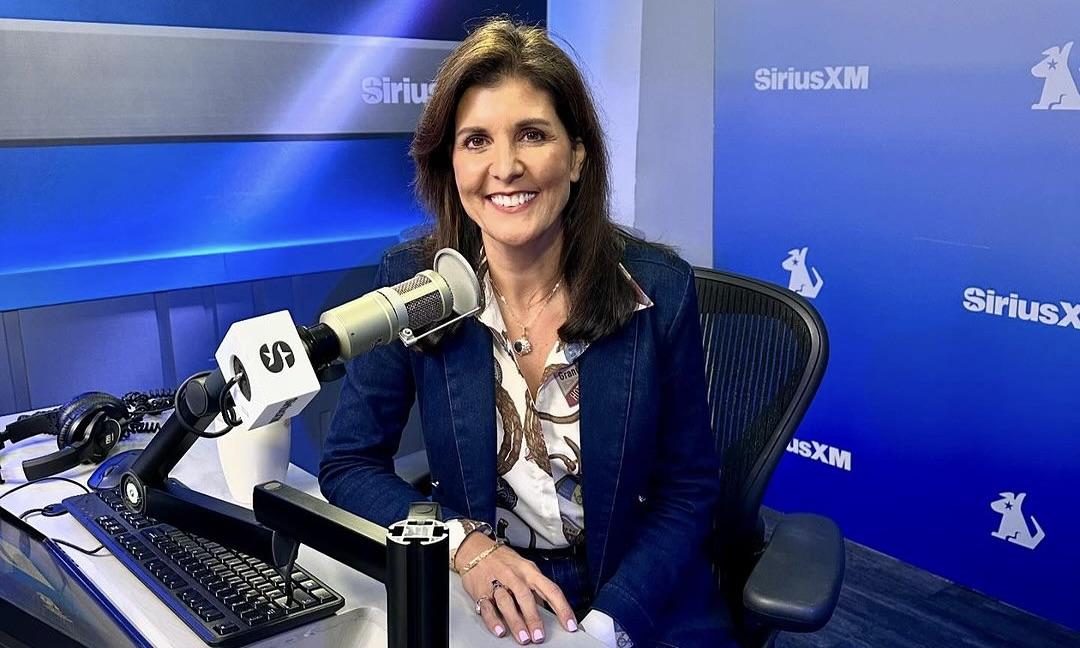
In a recent broadcast of her SiriusXM program, former U.N. Ambassador Nikki Haley vehemently criticized President-elect Donald Trump's nomination of Tulsi Gabbard as Director of National Intelligence (DNI). Haley expressed strong disapproval of Gabbard's past interactions with Syrian President Bashar al-Assad and questioned her suitability for the intelligence role.
Haley's Critique of Gabbard's Assad Meeting
Haley labeled Gabbard's 2017 meeting with Assad as "disgusting," highlighting the controversy surrounding the encounter. At the time, Gabbard, then a Democratic congresswoman from Hawaii, faced bipartisan criticism for engaging with Assad, whose regime has been accused of human rights violations.
Concerns Over Foreign Sympathies
Haley further asserted that the DNI position "is not a place for a Russian, Iranian, Syrian, Chinese sympathizer," implying that Gabbard's foreign policy stances could compromise U.S. intelligence operations. Gabbard has previously been scrutinized for her positions on U.S. involvement in Syria and her skepticism toward certain intelligence assessments.
Haley's Remarks on RFK Jr.
In the same broadcast, Haley referred to Robert F. Kennedy Jr., another of Trump's nominees, as "a liberal Democrat." Kennedy, known for his environmental activism and controversial views on vaccines, has been nominated to lead the Department of Health and Human Services. Haley's comment underscores the ideological differences between Kennedy and mainstream Republican positions.
Public Reaction
Haley's statements have ignited a flurry of responses on social media:
-
@PatriotWatchdog: "Haley is right. We need leaders who prioritize American interests, not foreign adversaries."
-
@DiverseVoices: "Labeling someone a 'sympathizer' without evidence is reckless. We need unity, not division."
-
@PolicyAnalyst2024: "Haley's concerns are valid. The integrity of our intelligence community is paramount."
Gabbard's Response
Tulsi Gabbard has defended her meeting with Assad, stating it was part of a fact-finding mission aimed at understanding the complexities of the Syrian conflict. She has consistently advocated for a non-interventionist foreign policy and has criticized U.S. efforts at regime change.
Conclusion
Nikki Haley's outspoken criticism of Tulsi Gabbard's nomination as DNI highlights the internal debates within the Republican Party regarding foreign policy and national security appointments. As the confirmation process unfolds, these discussions are likely to influence the direction of U.S. intelligence and diplomatic strategies.







