


 Japan Warns Markets Over Yen Weakness
  Trump to Ease U.S. Fuel-Economy Standards
  Europe’s AI Data Centre Boom Strengthens Case for Nuclear Power
  Strategy Buys 1,665 Bitcoin as BTC Holdings Reach 847,666
  ECB May Stop Rate Hikes After December, Capital Economics Says
  Jared Isaacman Confirmed as NASA Administrator, Becomes 15th Leader of U.S. Space Agency
  Northern Star Shares Surge After Rejecting Gold Fields Takeover Bid
  Asian Chip Stocks Tumble as OpenAI Safety Pause Sparks AI Growth Concerns
  Trump Administration to Launch Autism Initiatives Targeting Acetaminophen Use and New Treatment Options
  China vs. NASA: The New Moon Race and What's at Stake by 2030
  Neuralink Plans High-Volume Brain Implant Production and Fully Automated Surgery by 2026
  Australia Budget Deficit Narrows to A$22.3 Billion on Stronger Tax Revenue
  RBA Set for September Rate Hike as Inflation Stays High
  BitMine Ethereum Holdings Top 6 Million ETH After $46 Million Purchase
  Oil Prices Jump Nearly 3% as Iran Holds Firm on Hormuz Conditions
  Bitget Resumes Crypto Withdrawals After $388M Security Breach
  SpaceX’s Starship Completes 11th Test Flight, Paving Way for Moon and Mars Missions


 Add as a preferred source on Google
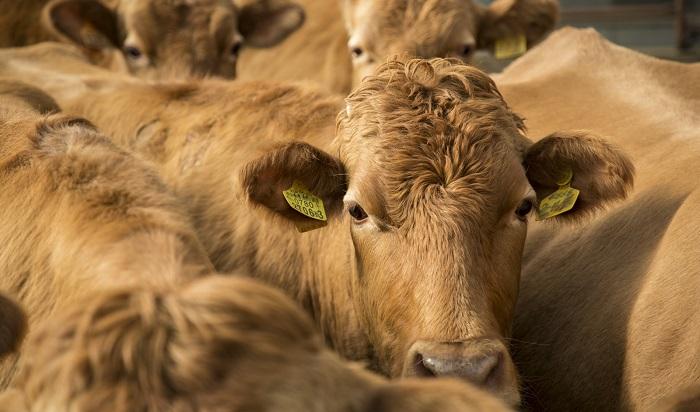
The Korea Institute of Energy Research has reduced livestock waste odor through the use of fermented rice husks and microorganisms.
By compounding a photosynthetic bacterium dubbed rhodobacter sphaeroides into a cultivated effective microorganism, the research team succeeded in removing more than 99 percent of ammonia within 30 minutes.
Ammonia is the main cause of bad odors associated with livestock waste,
An oxidation heat of 60 to 80 degrees Celsius was also generated while dissolving sludge, a water treatment sediment, contributing to reducing the energy cost for drying.
The research team used rice husk, which is about 25 to 40 percent cheaper than sawdust.
With the weight of the sludge reduced by 91 percent in nine days, it is more than three times faster than sawdust.







