


 Trump and Merck KGaA Partner to Slash IVF Drug Costs and Expand Fertility Coverage
  CDC Vaccine Review Sparks Controversy Over Thimerosal Study Citation
  Lost in space: MethaneSat failed just as NZ was to take over mission control – here’s what we need to know now
  Tabletop particle accelerator could transform medicine and materials science
  Cogent Biosciences Soars 120% on Breakthrough Phase 3 Results for Bezuclastinib in GIST Treatment
  NASA Cuts Boeing Starliner Missions as SpaceX Pulls Ahead
  Eli Lilly’s Inluriyo Gains FDA Approval for Advanced Breast Cancer Treatment
  FDA Lifts REMS Requirement for CAR-T Cell Cancer Therapies
  Astronomers have discovered another puzzling interstellar object − this third one is big, bright and fast
  Trump Administration to Launch Autism Initiatives Targeting Acetaminophen Use and New Treatment Options
  Blue Origin’s New Glenn Achieves Breakthrough Success With First NASA Mission
  NASA Astronauts Wilmore and Williams Recover After Boeing Starliner Delay
  SpaceX Starship Test Flight Reaches New Heights but Ends in Setback
  Is space worth the cost? Accounting experts say its value can’t be found in spreadsheets


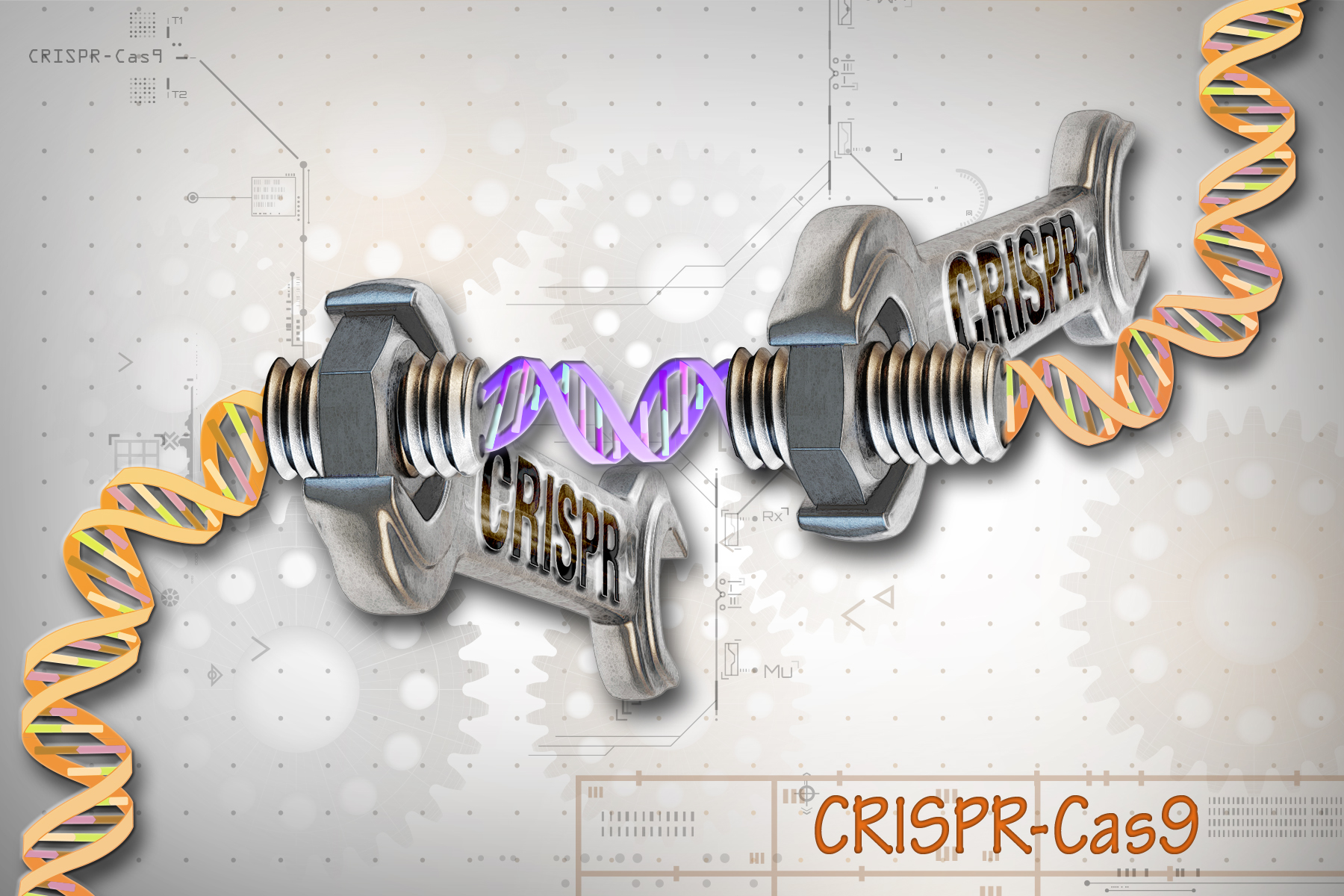
By now, the whole scientific community has become wholeheartedly fascinated with the gene-editing tool, CRISPR. It’s the single most powerful tool of its kind and one that has a lot of potential in curing diseases and overcoming natural barriers. However, there is always room for error in this field, which makes the new technique by University of Texas researchers all the more important.
Mistakes during the gene-editing process can be costly and could even lead to unrestrained mutations. Thanks to the new method by the researchers at the University of Texas, the gene-editing tool now has an editing protocol of its own to prevent mistakes, Futurism reports.
The new method works by basically predicting the kinds of mistakes that scientists can make when using CRISPR. Changing genomes is already hard enough, as the tool basically acts like a scissor to cut away at unwanted parts. There’s also another technique that makes it more precise, but human error is always going to be a factor worth taking into consideration.
In any case, this new technique helps scientists who are trying to edit natural errors that lead to Cancer and other forms of diseases avoid making new errors of their own. Think of it like the auto-correct on a smartphone. There will be many times that the feature makes a mistake by trying to correct a word that was already the right one to use, thus causing a misunderstanding.
The same principle can be applied to using CRISPR. Genomes that are already healthy can be accidentally cut while removing the unwanted ones.
According to the project’s principal investigator, Ilya Finkelstein, the difference in the genome of people can range into the millions. Trying to catch any problems with regards to editing these genomes is incredibly tricky, Phys.org reports. That’s why a testing model is required, which is what the technique the developed is for.













