


 Macron Challenges Trump’s Gaza Peace Claims at UN
  Taiwan Vows to Advance US Arms Sales Ahead of Trump-Xi Meeting
  Kremlin Says No Grounds Yet for Ukraine Peace Talks
  Netanyahu Takes Aim at Mamdani as Israel Election Nears
  Zelenskiy Warns Russia Preparing Major Attack on Ukraine
  Marco Rubio to Meet Russia’s Lavrov in New York
  Lula and Flavio Bolsonaro Tied in Brazil Runoff Poll
  Europe Warns Russia Is Escalating Hybrid Attacks Across NATO
  US, China Extend Trade Truce to Jan. 10 Ahead of Trump-Xi Summit
  Trump to Press Xi on Release of US Nuclear Expert Held in China
  US Officials Split Over Response to Israeli West Bank Settlements
  Judge Orders Trump to Restore White House Access for CNN, MS NOW and Politico
  South Korea, US Discuss Warship Building Cooperation
  US Invites Putin to Miami G20, Opening Door to Trump Summit
  Trump Says ‘Freedom’ Is Coming to Cuba
  Russian Missile and Drone Attack on Kyiv Kills Two, Damages Maternity Hospital
  Gaza Faces Evacuation Crisis as War-Damaged Buildings Risk Collapse


 Add as a preferred source on Google
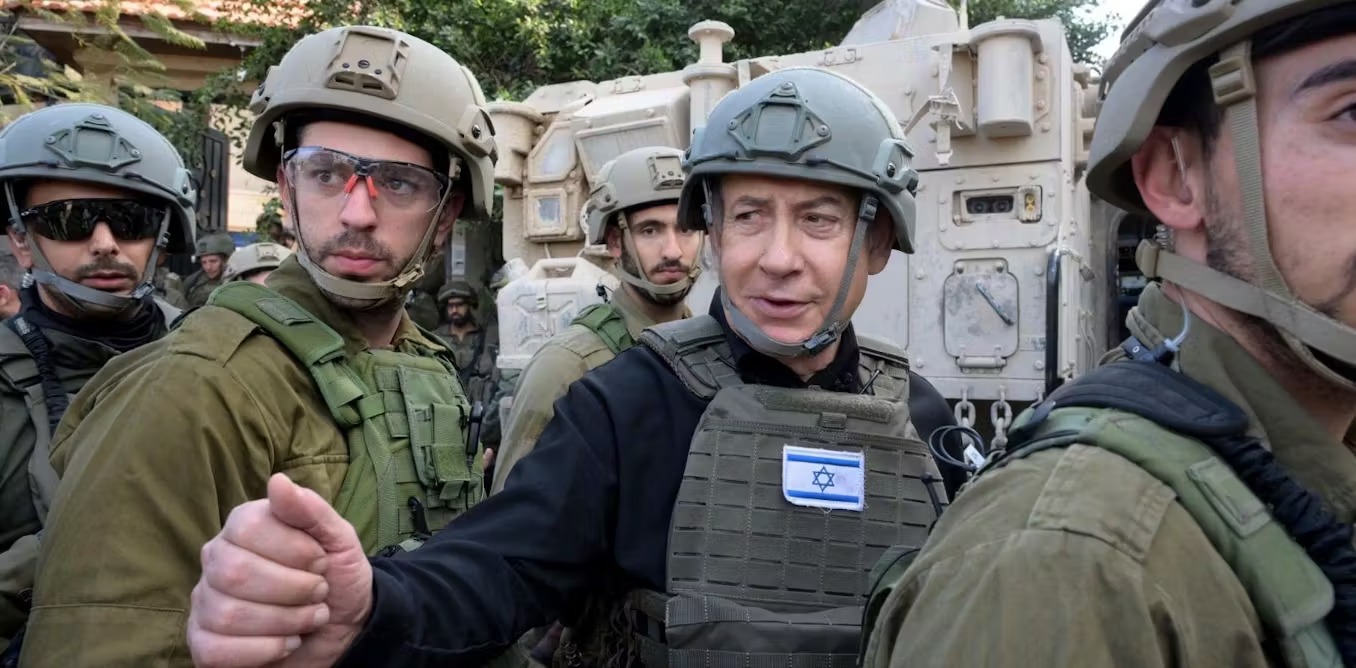
Israeli Prime Minister Benjamin Netanyahu’s announcement that Israel plans to expand its area of control in Gaza has drawn strong criticism from Hamas, European governments, and residents of the Palestinian territory. The move has raised fears of renewed violence and worsening humanitarian conditions despite an ongoing ceasefire agreement.
Under the ceasefire deal reached in October, Israel was expected to maintain military control over approximately 53% of Gaza. However, Netanyahu stated that Israeli-controlled territory would increase to an initial 70%, though he did not provide details regarding the implementation timeline or specific areas involved.
Hamas condemned the proposal, describing it as a form of ethnic cleansing and forced displacement of Palestinians. Ismail al-Thawabta, head of the Hamas-run Gaza government media office, called the plan a “dangerous escalation” and rejected any attempt to establish a new reality of occupation within Gaza.
More than eight months into the ceasefire, key issues remain unresolved. Negotiations continue over the disarmament of Hamas, the future governance of Gaza, and the possibility of a full Israeli withdrawal. While the ceasefire reduced large-scale fighting, both sides have repeatedly accused each other of violations. Israeli military operations have reportedly killed hundreds of Palestinians since the truce began, while Palestinian militant attacks have resulted in Israeli casualties.
The humanitarian situation in Gaza remains critical. With over two million residents living in overcrowded shelters and tents, any further reduction in accessible territory could intensify already severe living conditions. Many Gaza residents expressed concern over the lack of safe areas available if Israeli-controlled zones continue to expand.
European nations also voiced opposition. The United Kingdom, Germany, and other international partners warned that expanding Israeli control could worsen the humanitarian crisis and undermine prospects for a lasting peace settlement.
Political analysts suggest Netanyahu may be seeking to strengthen domestic support ahead of upcoming elections. Experts warn that without significant diplomatic intervention, the latest developments could increase the risk of renewed large-scale conflict between Israel and Hamas, threatening regional stability and prolonging the Gaza crisis into 2026.







