


 Trump Scales Back Endangered Species Act Protections
  Paramount-Warner Bros $110 Billion Deal Draws Antitrust Backlash
  Trump Board of Peace Unveils $2.45 Billion Gaza Recovery Plan
  Macron Challenges Trump’s Gaza Peace Claims at UN
  Trump Administration Prepares Sanctions Against Entire ICC
  Carney Condemns Belleville Synagogue Shooting That Wounded Police Officer
  Trump Says U.S.-Iran Peace Deal Near After UN Talks
  Macron, Trump Discuss Ukraine-Russia Energy Strike Moratorium
  Lula and Flavio Bolsonaro Tied in Brazil Runoff Poll
  Russian Strikes Kill Eight Across Ukraine as Energy Sites Hit
  Zelenskiy Warns Russia Preparing Major Attack on Ukraine
  US, Japan and South Korea Back Taiwan Ahead of Trump-Xi Summit
  CNN, MS NOW and Politico Sue Trump Over White House Media Ban
  Vietnam, US Trade Deal Could Be Signed Soon, To Lam Says
  Lula Meets Mamdani in New York as Elections Approach
  UK, Mauritius Seek Diego Garcia Base Deal
  China Tightens Fentanyl Rules Ahead of Trump-Xi Summit


 Add as a preferred source on Google
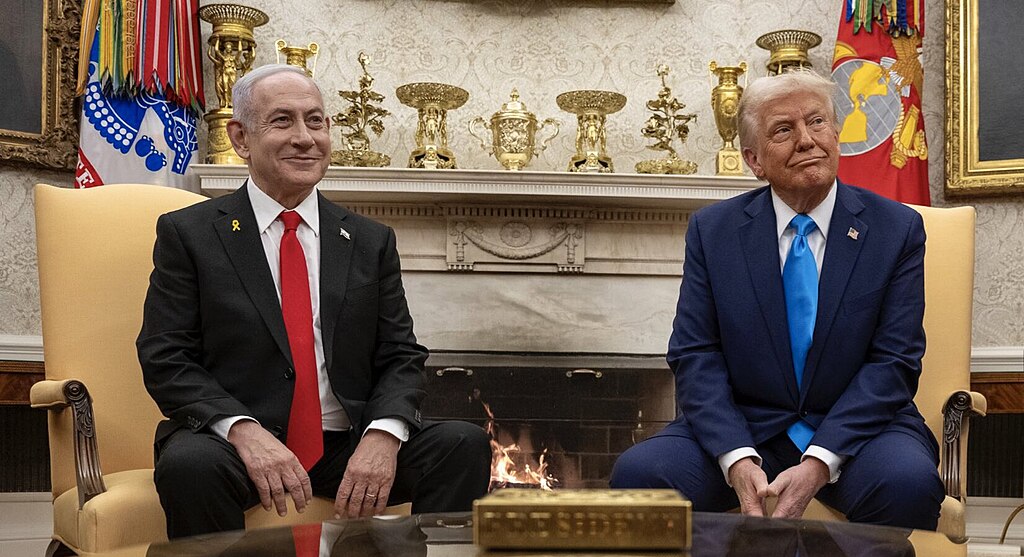
Israeli Prime Minister Benjamin Netanyahu is facing growing political pressure after the United States and Iran moved closer to an interim agreement that many Israeli officials believe could weaken Israel’s strategic position in the Middle East. The development has also exposed increasing tensions between Netanyahu and U.S. President Donald Trump, despite their long-standing political alliance.
According to Israeli officials, the proposed U.S.-Iran pact is viewed negatively across Israel’s leadership, with concerns that it fails to address key security issues, including Iran’s nuclear ambitions, ballistic missile program, and support for regional proxy groups such as Hezbollah. While Washington argues that a 60-day ceasefire will create space for broader negotiations, Israeli leaders fear the process could be extended, limiting Israel’s military options while leaving critical concerns unresolved.
The disagreement highlights a widening gap between Trump and Netanyahu over regional security strategy. Recent reports indicate the two leaders have clashed over Israeli military actions in Lebanon, particularly operations targeting Hezbollah. Trump has pushed for de-escalation as part of efforts to secure a diplomatic breakthrough with Tehran, while Netanyahu has maintained that Israel must preserve freedom of action to defend its security interests.
Israel has made clear it does not consider itself bound by any U.S.-Iran agreement. Netanyahu recently stated that Israeli forces would remain in southern Lebanon and continue acting against threats from Hezbollah if necessary. Israeli officials also expressed concern that negotiations could stretch beyond the initial 60-day timeline, potentially extending uncertainty in the region.
The diplomatic dispute arrives at a sensitive political moment for Netanyahu, who is heading toward elections later this year and faces unfavorable polling projections. Analysts suggest the agreement could undermine one of Netanyahu’s key political arguments—that his close relationship with Trump delivers tangible security benefits for Israel.
Public opinion in Israel appears to be shifting as well. Recent polling shows declining confidence that Trump prioritizes Israeli security interests. Despite the growing tensions, Israeli officials insist they are prepared to act independently if Iran resumes efforts to expand its nuclear or missile capabilities, regardless of ongoing negotiations between Washington and Tehran.







