


 EU Defence Build-Up Too Slow for 2030 Russia Readiness Goal
  North Korea Warns South Korea Over US-Led Defense Role
  Trump, Xi Visit US National Archives After White House Summit
  Saudi Arabia, Turkey and Pakistan Plan Urgent Defence Talks Over Houthi Attacks
  Pezeshkian Says US Must Choose When Iran War Ends
  What ‘Taiwan Independence’ Means as Xi Presses Trump on US Policy
  Xi Calls for Deeper U.S.-China AI Cooperation in Trump Talks
  US Supreme Court Revives Trump Administration Voter Citizenship Database
  Trump Asks Supreme Court to Restore Third-Country Deportations
  Trump, Xi Focus on Trade and AI at White House Summit
  Iran Rejects Nuclear Concessions in Hormuz Deal
  Evan Gershkovich Says FSB Set Trap for 2023 Russia Arrest
  US Backs Musk in Fight Against EU’s €120 Million X Fine
  US Comfortable With Canada Trade Standoff as Import Bans Loom
  Yemen Violence Displaces 130,000 as Civilian Toll Rises
  Colombia Extradites FARC Dissident Leader ‘Spider’ to US
  NATO Boosts Intelligence Sharing Amid Russia Hybrid Threats


 Add as a preferred source on Google
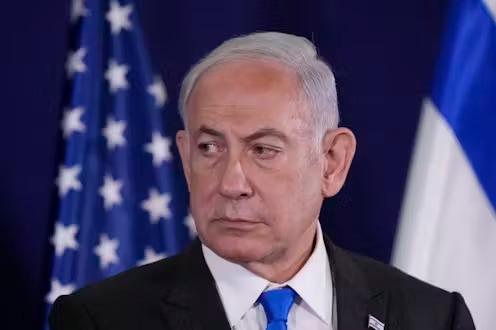
Israeli Prime Minister Benjamin Netanyahu announced Sunday that Israel will decide which foreign forces it will allow as part of an international security mission in Gaza, formed to stabilize a ceasefire outlined in U.S. President Donald Trump’s peace plan. The initiative aims to maintain calm in the enclave following the devastating war with Hamas but faces uncertainty as several nations weigh participation.
The Trump administration has declined to send U.S. troops to Gaza but is in talks with Indonesia, the UAE, Egypt, Qatar, Turkey, and Azerbaijan about contributing to the multinational force. Netanyahu emphasized Israel’s autonomy, stating, “We are in control of our security… Israel will determine which forces are unacceptable to us.” He added that Washington supports this stance.
Tensions remain high over the potential involvement of Turkey, with Netanyahu strongly opposing any Turkish role after relations between Ankara and Tel Aviv deteriorated during the Gaza conflict. Turkish President Tayyip Erdogan’s harsh criticism of Israel’s military campaign further strained ties. U.S. Secretary of State Marco Rubio echoed that any peacekeeping contingent must be composed of countries “Israel’s comfortable with,” while noting that Hamas cannot be part of Gaza’s future governance.
A major obstacle to the plan is Hamas’s refusal to disarm, despite pressure from Arab states that helped broker the ceasefire and facilitate hostage releases. Meanwhile, Israel claims Hamas knows the locations of 13 hostages’ remains still in Gaza and has allowed an Egyptian Red Cross-led team to help recover them.
Netanyahu dismissed suggestions that U.S. influence dictated Israel’s policies, asserting the U.S.-Israel relationship as a “partnership.” Diplomats say Trump played a key role in pushing Netanyahu toward the truce and engaging Arab nations to pressure Hamas into releasing hostages — critical steps in his broader regional peace strategy.







