


 SoftBank Raises $11.1 Billion in Bond Sale to Fund OpenAI Investment
  Paramount-Warner Bros $110 Billion Deal Draws Antitrust Backlash
  Gold Prices Rise as Oil Slide Eases Fed Rate Hike Fears
  OpenAI Urges US-Led Global Standards for Frontier AI
  US, China Extend Trade Truce to Jan. 10 Ahead of Trump-Xi Summit
  Asian Stocks Mixed Ahead of Trump-Xi Meeting
  China Vanke Shares Jump as Beijing Moves to Ease Debt Pressure
  Australia Unemployment Hits Five-Year High Despite Strong Jobs Growth
  South Korea, US Discuss Warship Building Cooperation
  Mercedes-Benz Eyes €800 Million Labor Cost Cuts in Germany
  Oil Prices Rise as U.S.-Iran Talks Fuel Diplomacy Hopes
  BlackBerry Shares Rise as Q2 Earnings, Revenue Beat Estimates
  Oil Prices Extend Losses as U.S.-Iran Talks Ease Supply Fears
  H&M Q3 Profit Beats Estimates as Margins Improve
  Wall Street Falls as Treasury Yields Surge, Oil Rebounds on Iran Tensions
  US Stock Futures Rise as Meta Muse Fuels AI Rally
  Japan Private-Sector Growth Slows as Domestic Demand Weakens


 Add as a preferred source on Google
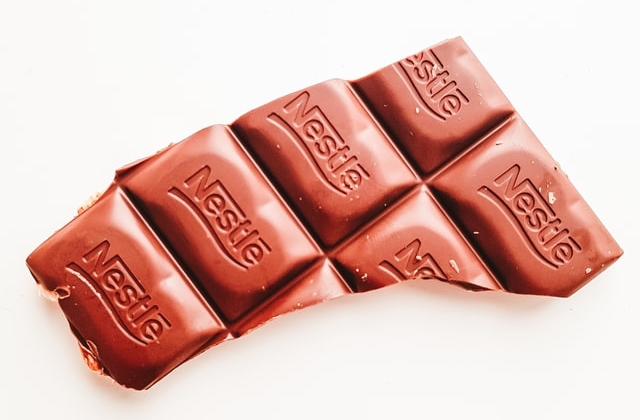
Nestle is updating its health and nutrition strategy after it was reported that some of its food and beverages are unhealthy. This is sort of damage control after the Financial Times stated that an internal document showed more than half of Nestle’s products are not good for health.
As per Reuters, earlier this year, the said media outlet saw an internal presentation being circulated among top executives and the papers stated that more than 60% of Nestle's food and drinks portfolio may not be considered healthy based on the definition of “health.”
Nestle’s portfolio of alleged unhealthy products
It was clarified that Nestle’s medical nutrition, infant formula, coffee and food are not included in the analysis and only about half of the company’s overall portfolio is considered unhealthy based on the information written in the documents.
"Given the group’s confectionery, ice cream, and pizza businesses, the real figure for the group based on 2021 estimates would be 28%, which is hardly a surprise," Jon Cox, an analyst at Kepler Cheuvreux, said.
The analyst said that the report may push Nestle to revamp its product portfolio and possibly, it may even lead the company to withdraw from mainstream confectionery.
Adjustments being done by Nestle
Taking action to address the issue, Nestle acknowledged the report first and stated that it has taken steps to improve its products and is now taking steps to bolster nutrition. The company said in a statement it is working on a "company-wide project" to upgrade its nutrition and health blueprint. It added that it is checking its entire portfolio for Nestle to ensure that products will meet the nutritional needs of its customers.
For starters, Nestle shared that in the last seven years, it reduced sugars and sodium in its food and beverages by around 14 to 15% and it will continue to work on making its products healthier. Nestle said it will remain committed to making healthier products.
“In recent years, we have launched thousands of products for kids and families that meet external nutrition yardsticks,” The Irish Times quoted Nestle as saying. “We have also distributed billions of micronutrient doses via our affordable and nutritious products and we believe that a healthy diet means finding a balance between wellbeing and enjoyment.”







