


 France Debt-to-GDP Ratio Seen Hitting Record 119.3% in 2026
  US-China Talks Target AI, Tariffs Ahead of Trump-Xi Summit
  Oil Prices Tumble on U.S.-Iran Diplomacy Hopes, Supply Relief
  What is Zionism? The different meanings of a contested term
  Unsustainable – or manageable? We don’t yet know how data centres will impact Australia’s environment
  Vietnam Stocks Join FTSE Emerging Market Indexes, Unlocking Billions in Foreign Investment
  US, Japan and South Korea Back Taiwan Ahead of Trump-Xi Summit
  Banking scandal rocks Brazil’s politics and the country’s presidential election in October
  Fed Rate Hike Threatens Housing as U.S. Growth Leans on AI, Citi Says
  Synthetic data could ease people’s concerns about privacy breaches. But who gets to create it?
  Gold Prices Rise as Oil Slide Eases Fed Rate Hike Fears
  China’s robots can run faster than Usain Bolt – now they are being prepared for war


 Add as a preferred source on Google
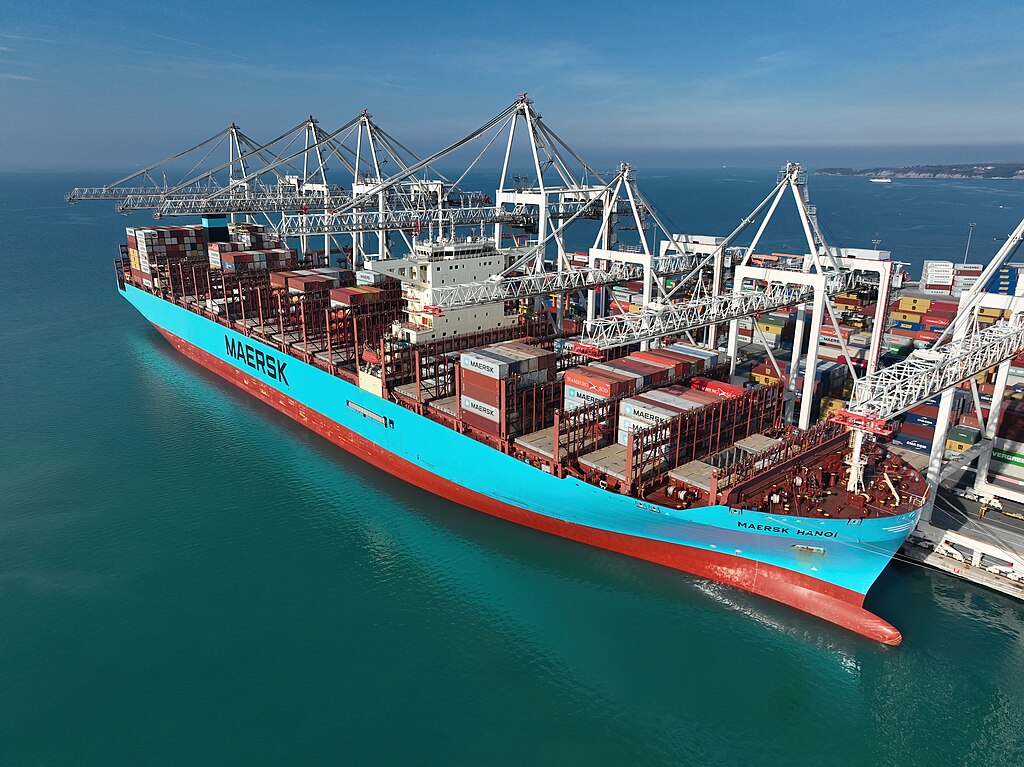
Europe is facing growing competitive pressure from China as Beijing intensifies its export-driven growth strategy, a shift Goldman Sachs says is reshaping the outlook for several major European industries. The bank recently upgraded China’s 2025–27 GDP forecasts and warned that stronger Chinese exports will likely come at the expense of high-tech producers in Europe. As a result, Goldman now expects a larger structural drag on European growth, trimming Germany’s average forecast by 0.2 percentage points over the next four years.
Despite these economic headwinds, European equity markets are telling a different story. Germany’s DAX index is up nearly 19% this year, extending momentum seen in 2024 even as industrial production weakens. According to strategists led by Sharon Bell, investors are not ignoring China’s rise; instead, the index’s composition offers a buffer, with heavyweight sectors less exposed to direct price competition from Chinese manufacturers.
Goldman identifies Chemicals, Autos, and Basic Resources as the industries most sensitive to China’s falling producer prices, which are expected to remain under deflationary pressure through at least 2027. While some European consumer and services companies benefit from lower China-linked input costs, firms with heavier China exposure have struggled. These companies have underperformed since 2022, with earnings per share estimates dropping more than 20% from pre-pandemic levels and valuations becoming less attractive.
Competition is intensifying particularly in Autos and Chemicals. Chinese automakers have gained four percentage points of market share in Europe since 2024, while European brands are losing ground in China’s fast-growing EV market. China’s rising investment in R&D and capital expenditure has widened the gap, contrasting sharply with Europe’s growth-investment share, which sits at roughly half that of China and the U.S.
Still, not all European sectors face equal risk. Financials, Telecoms, Utilities, Real Estate, Retail, and business services have limited direct exposure to Chinese competition. Europe’s policy response—ranging from tariffs to new industrial rules, including the Carbon Border Adjustment Mechanism set for 2026—may help cushion impacts.
Goldman notes that discussions around China are surging, with STOXX 600 company transcripts referencing the country nearly 10,000 times since early 2024. Yet only about 60 firms report feeling direct competitive pressure. Overall, Europe remains unevenly exposed but is increasingly challenged in sectors where Chinese overcapacity, pricing power, and investment strength intersect.







