


 Taiwan Thanks US for Support Ahead of Trump-Xi Summit
  Europe Warns Russia Is Escalating Hybrid Attacks Across NATO
  US, China Extend Trade Truce to Jan. 10 Ahead of Trump-Xi Summit
  Russian Missile and Drone Attack on Kyiv Kills Two, Damages Maternity Hospital
  NATO Boosts Intelligence Sharing Amid Russia Hybrid Threats
  US Backs Musk in Fight Against EU’s €120 Million X Fine
  Netanyahu’s Brief US Trip Highlights Strains With Trump
  Yemen Violence Displaces 130,000 as Civilian Toll Rises
  US Invites Putin to Miami G20, Opening Door to Trump Summit
  Mexico-US Trade Talks Delayed to October as Tariff Negotiations Continue
  Netanyahu Takes Aim at Mamdani as Israel Election Nears
  US Senate Rejects Iran War Powers Resolution in 50-49 Vote
  Sudan Rejects US Legitimacy Remarks, Defends Sovereignty
  Gaza Faces Evacuation Crisis as War-Damaged Buildings Risk Collapse
  Trump, Xi Focus on Trade and AI at White House Summit
  Netanyahu Defends Israel at UN as Delegates Stage Walkout
  Kremlin Says No Decision Yet on Putin-Trump December Summit


 Add as a preferred source on Google
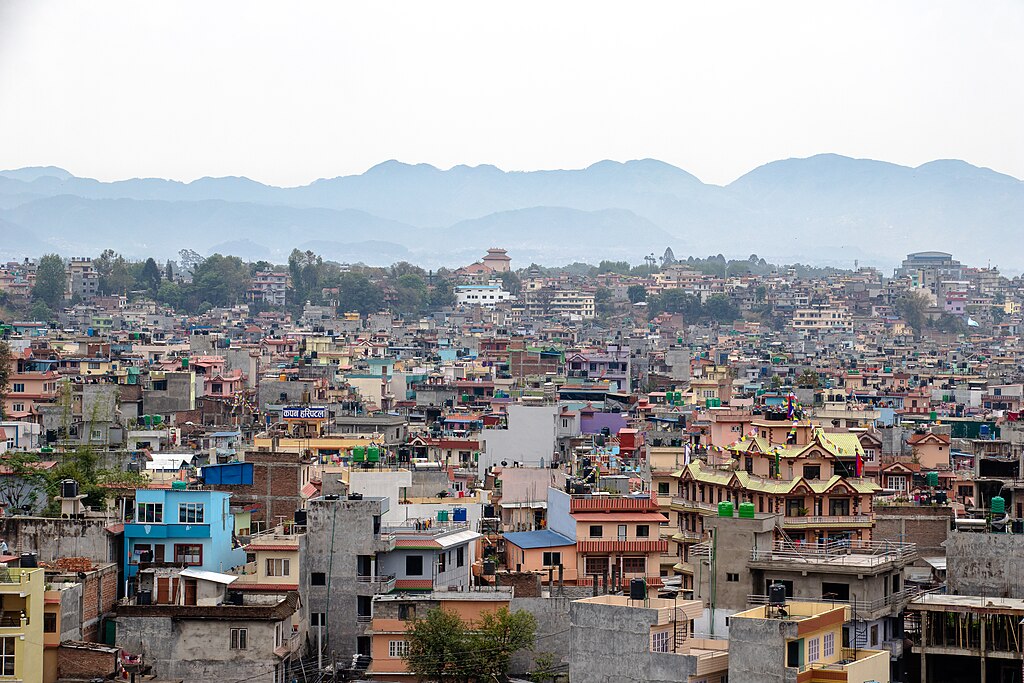
Nepal is preparing for a crucial general election on Thursday, marking the first national vote since large youth-led protests shook the country last September. Demonstrations demanding an end to corruption, better employment opportunities, and cleaner governance resulted in 77 deaths and ultimately forced the government to resign. The upcoming election is now viewed as a turning point for the Himalayan nation’s political future.
For decades, Nepal has struggled with chronic political instability. Since 1990, the country has seen 32 changes in government, creating uncertainty that has slowed economic development and weakened public trust in political institutions. The largely agrarian economy has failed to generate enough domestic opportunities, pushing millions of Nepalis to seek employment abroad, particularly in the Gulf region and neighboring countries.
Approximately 19 million out of Nepal’s 30 million citizens are eligible to vote in the parliamentary election. Voters will select members for a 275-seat legislature, with 165 representatives elected directly through constituencies and 110 chosen through a proportional representation system. A significant development in this election is the addition of about one million new voters, many of them young people who became politically active during last year’s protests.
Among them is Bibas Pariyar, a 22-year-old painter working in Kathmandu, who plans to travel back to his hometown in Gorkha district to vote. Gorkha is historically known for producing soldiers who have served in the British and Indian armies. Pariyar says the election is an opportunity for change, emphasizing that Nepal needs leaders who can create jobs, modernize agriculture, and ensure fair wages for workers. Like many young voters, he believes traditional politicians have prioritized personal gain over national progress.
The election pits Nepal’s long-dominant political parties against emerging challengers. Established groups such as the Nepali Congress (NC) and the Communist Party of Nepal–Unified Marxist-Leninist (UML) have controlled the country’s political landscape for decades. However, analysts suggest the centrist Rastriya Swatantra Party (RSP) is gaining significant momentum ahead of the vote.
A key figure in the race is Balendra Shah, a 35-year-old rapper-turned-politician who joined the RSP earlier this year as its prime ministerial candidate. Shah previously served as mayor of Kathmandu and became a prominent face of the September protest movement. He is widely seen as a representative of a new generation of leadership seeking political reform.
Shah’s main rival is K.P. Sharma Oli, the 74-year-old leader of the UML and a four-time prime minister. Oli stepped down following the deadly crackdown on protesters last year but remains one of Nepal’s most influential political figures.
Nepal’s election is the second in South Asia recently influenced by youth-driven protests, following Bangladesh’s political upheaval. However, analysts say Nepal’s political dynamics are different. According to Jay Nishaant, founder of the Nepal Democracy Foundation, successful elections depend on three factors: agenda, leadership, and organizational strength.
While youth movements can energize voters, converting protest momentum into parliamentary seats remains difficult. Bangladesh’s February election illustrated this challenge when a youth-led political movement secured only six seats in the country’s 300-member parliament. Nepal’s vote will test whether a similar movement can translate public dissatisfaction into meaningful political change.
As millions head to the polls, the election could reshape Nepal’s political landscape, reflecting growing demands from younger voters for accountability, economic reform, and a more stable future.







