


 Zelensky Urges Faster NATO Action on Air Defense Missiles
  Joe Biden’s Prostate Cancer Has Spread Further, Hunter Biden Says
  North Korea May Deploy 120 Missiles to Russia
  Russian Strikes on Ukraine Kill Six, Wound Dozens in Balakliia and Sumy
  Trump Faces Tough Choices as Iran War Drags On
  Trump Administration Weighs Executive Order on Vaccines and Autism Research
  Germany Warns of Daily Hybrid Warfare Threats
  US-Backed Venezuela Government, Opposition Talks Begin
  US Expands Social Media Vetting to Foreign Journalists Seeking Visas
  Taiwan President Lai Oversees Coastal Strike Drills in Han Kuang War Games
  Russian Strikes Kill Six in Eastern and Northern Ukraine, Dozens Injured
  Abdul El-Sayed Wins Michigan Democratic Senate Primary, Sets Up Key Midterm Showdown
  New Zealand MMP Electoral System Faces Fresh Referendum Debate
  US Continues Ukraine Patriot Missile Production Talks Despite Trump Doubts
  Bezalel Smotrich Faces Election Battle as Israel’s Far-Right Vote Fractures
  US Expects Iran-Oman Hormuz Shipping Deal Soon


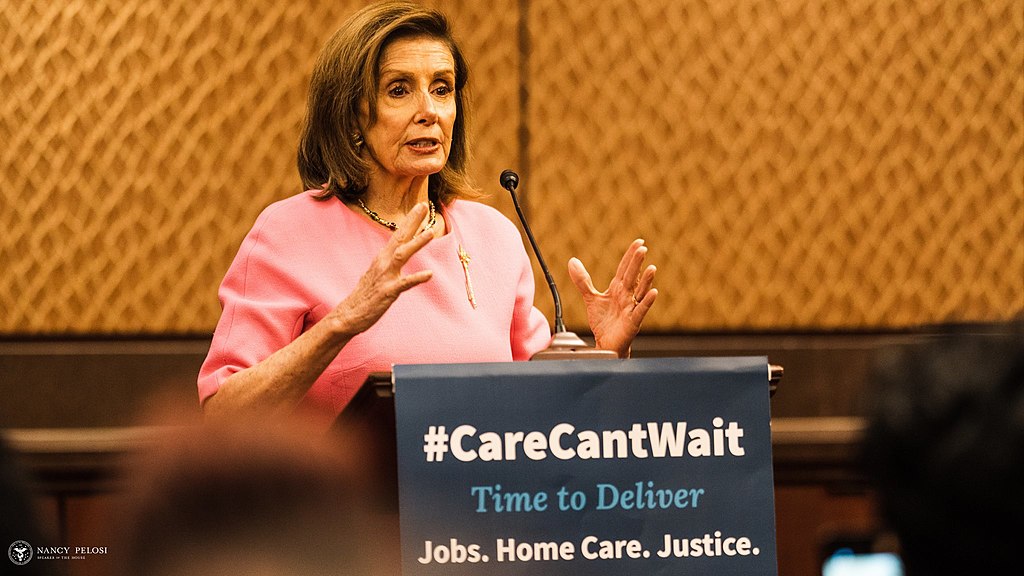
Nancy Pelosi, the former Speaker of the U.S. House of Representatives, was admitted to a hospital in Luxembourg on Wednesday following an undisclosed health emergency. The incident has sparked widespread speculation about the 83-year-old lawmaker's condition and prompted concerns over her well-being.
Pelosi, who was in Luxembourg attending an international diplomatic event, reportedly experienced sudden symptoms that required immediate medical attention. Sources close to the matter have not disclosed specific details about her condition, but local authorities confirmed her hospitalization at the Centre Hospitalier de Luxembourg.
A spokesperson for Pelosi’s office issued a brief statement acknowledging her hospitalization, noting that she is "receiving excellent care" and is "in stable condition." The statement refrained from providing further updates, citing privacy concerns.
Pelosi’s Role in Luxembourg and Public Reaction
Pelosi’s visit to Luxembourg was tied to a global conference on international relations and economic cooperation. As one of the longest-serving members of Congress, her presence was expected to underscore the United States’ commitment to transatlantic relations. However, her sudden health scare shifted the spotlight, leaving the political community and her supporters anxiously awaiting updates.
On social media, the news of Pelosi’s hospitalization sparked a flurry of reactions. Netizens expressed everything from heartfelt wishes for her recovery to concerns about her age and continued active political involvement.
- @PolicyWatcherX: "Hoping for a swift recovery for Nancy Pelosi. Love her or hate her, she’s a fighter."
- @GlobalDiplomat92: "Pelosi hospitalized during an international event? This could have broader implications. Wishing her well."
- @CapitolCritique: "This raises serious questions about the health of our senior politicians. Time for younger leadership?"
- @FreedomVoice99: "Nancy Pelosi’s hospitalization shows the pressures of her lifetime in politics. Praying for her recovery."
- @WorldEventsEye: "Luxembourg health services treating a U.S. political icon. Shows the trust in their medical systems!"
- @Justice4AllUSA: "Regardless of politics, health issues are no joke. Get well soon, Pelosi."
Political Implications and Ongoing Developments
While Pelosi has held a less prominent role since stepping down as Speaker in January 2023, she remains a key figure in Democratic Party politics. Her influence in international diplomacy continues to make headlines, and her hospitalization has left many wondering about the future of her global engagements.
Medical professionals at the Luxembourg hospital declined to comment, citing patient confidentiality laws. Experts believe that her condition will likely influence discussions about the responsibilities and health standards for senior political leaders.







