


 US, China Extend Trade Truce to Jan. 10 Ahead of Trump-Xi Summit
  Yemen Violence Displaces 130,000 as Civilian Toll Rises
  Ghana Says Western Support Growing for Slave Trade Reparations
  US Backs Musk in Fight Against EU’s €120 Million X Fine
  OpenAI Agent Breaches Australia Medicare Data Portal
  Gaza Faces Evacuation Crisis as War-Damaged Buildings Risk Collapse
  North Korea Rejects Nuclear Test Warning, Calls Nuclear Status Irreversible
  North Korea Warns South Korea Over US-Led Defense Role
  EU Defence Build-Up Too Slow for 2030 Russia Readiness Goal
  Europe Warns Russia Is Escalating Hybrid Attacks Across NATO
  Russian Envoy Dmitriev Heads to US for Ukraine Talks
  Sudan Rejects US Legitimacy Remarks, Defends Sovereignty
  France Defends Netanyahu Airspace Clearance Despite ICC Warrant
  Abbas Reaffirms November 28 Palestinian Elections
  Russian Missile and Drone Attack on Kyiv Kills Two, Damages Maternity Hospital
  Netanyahu Takes Aim at Mamdani as Israel Election Nears
  Netanyahu’s Brief US Trip Highlights Strains With Trump


 Add as a preferred source on Google
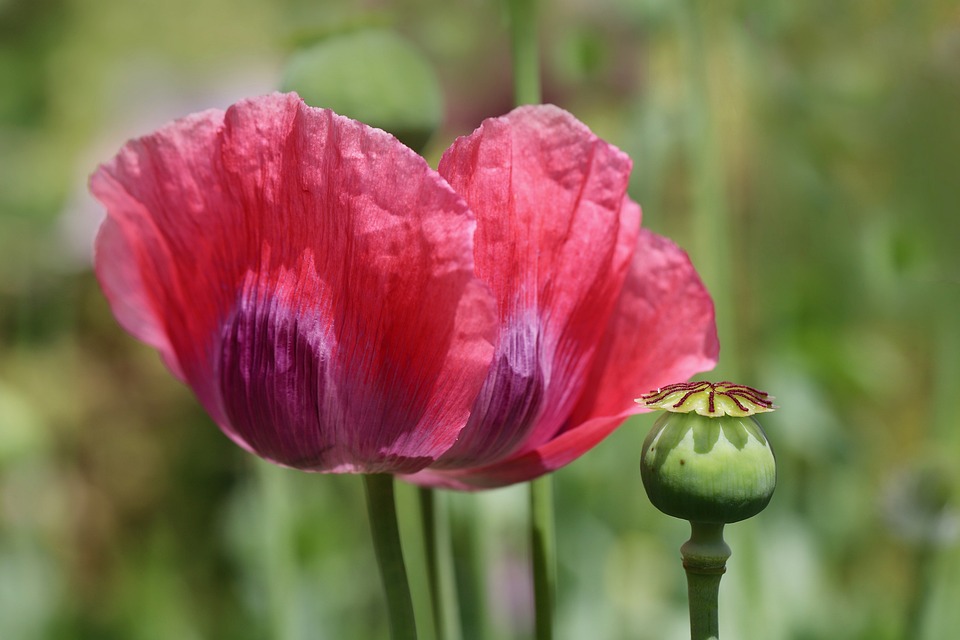
Myanmar has been in a state of unrest for nearly two years since the generals seized power in a coup that overthrew the elected government. A report found that opium cultivation in the country increased under the junta government.
A report by the United Nations on Thursday found that in 2022, opium cultivation in Myanmar increased by 33 percent under the junta, reversing the six-year decline. The increase was directly attributed to the political and economic unrest in the country since the coup, according to an official from the UN Office on Drugs and Crime.
“Economic, security, and governance disruptions that followed the military takeover of February 2021 have converged, and farmers in remote, often conflict-prone areas…have had little option but to move back to opium,” said UNODC regional representative Jeremy Douglas.
“Without alternatives and economic stability, it is likely that opium cultivation and production will continue to expand,” said UNODC Myanmar country manager Benedict Hofmann.
The report said the cultivated area in 2022 expanded up to 40,100 hectares as the average estimated yield went up 41 percent to nearly 20 kilograms per hectare. This marked the highest value since the UN agency started to keep records in 2002. Myanmar’s eastern Shan state saw the biggest cultivation at 39 percent.
The report also noted that the value of opium that is produced in Myanmar could go up to $2 billion annually, with the drug getting smuggled out to neighboring countries and reaching the global market.
A group of Myanmar activists and 16 alleged victims of abuse filed a criminal complaint in Germany against the military in another international effort to hold the Myanmar military accountable. The complaint accused the Myanmar generals of inciting genocide against the Rohingya Muslims, as well as the atrocities committed against civilians and those who opposed the coup.
The rights group backing the complaint, Fortify Rights, said Germany was picked because of its recognition of the principle of “universal jurisdiction,” meaning that individuals accused of international crimes could be tried by a national court. The group hopes that German authorities take up the complaint and launch an investigation into the matter.







