


 Russian Envoy Dmitriev Heads to US for Ukraine Talks
  Netanyahu Defends Israel at UN as Delegates Stage Walkout
  Netanyahu Takes Aim at Mamdani as Israel Election Nears
  Abbas Reaffirms November 28 Palestinian Elections
  Ghana Says Western Support Growing for Slave Trade Reparations
  Pezeshkian Says US Must Choose When Iran War Ends
  Judge Orders Trump to Restore White House Access for CNN, MS NOW and Politico
  Mexico-US Trade Talks Delayed to October as Tariff Negotiations Continue
  OpenAI Agent Breaches Australia Medicare Data Portal
  EU Defence Build-Up Too Slow for 2030 Russia Readiness Goal
  France Defends Netanyahu Airspace Clearance Despite ICC Warrant
  Kremlin Says No Decision Yet on Putin-Trump December Summit
  South Korea, US Discuss Warship Building Cooperation
  Europe Warns Russia Is Escalating Hybrid Attacks Across NATO
  North Korea Warns South Korea Over US-Led Defense Role
  NATO Boosts Intelligence Sharing Amid Russia Hybrid Threats
  US Senate Rejects Iran War Powers Resolution in 50-49 Vote


 Add as a preferred source on Google
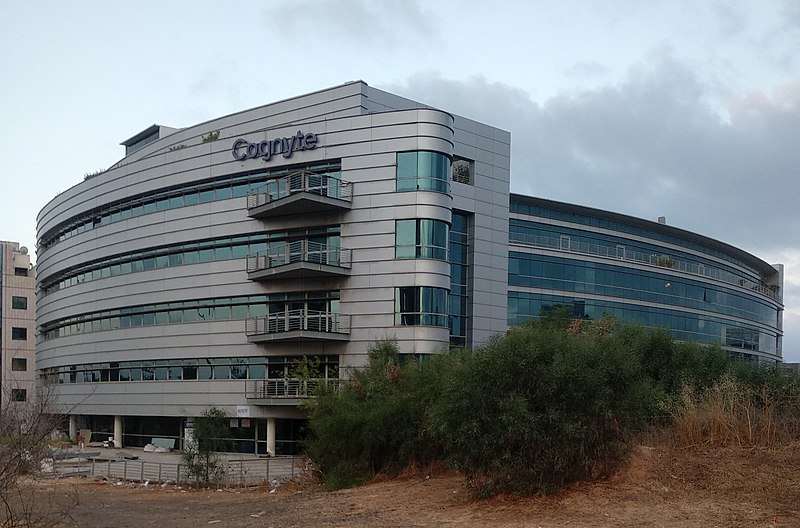
An Israeli software company won a tender to sell spyware to a state-backed telecommunications company in Myanmar, documents have shown. The tender came a month before the generals in Myanmar seized power in a coup on February 2021.
Documents obtained by Reuters found that the Israeli company, Cognyte Software Ltd., won a tender to sell intercept spyware to a state-run telecommunications company in Myanmar a month before the coup took place. The deal was made despite a ruling by the Israeli Supreme Court back in 2017 that the country stop defense technology transfers to Myanmar, according to a legal complaint filed with the Israeli attorney general that was revealed on Sunday.
The complaint was led by Israeli human rights lawyer Eitay Mack who is known for leading the campaign that led to the high court’s ruling. Mack has called for a criminal investigation into the deal, accusing Cognyte and unnamed officials from the Israeli defense and foreign ministries who have overseen such deals of “aiding and abetting crimes against humanity in Myanmar.”
The complaint was filed on behalf of over 60 Israelis, including a former speaker of the house, prominent activists, academics, and writers. The documents of the deal were provided by the rights group Justice for Myanmar, including a January 2021 letter with attachments from Myanmar Post and Telecommunications to local regulators, listing Cognyte as the winning vendor for intercept technology. The purchase order was dated December 30, 2020.
Such intercept spyware can give authorities access to listen to calls, view text messages and web traffic such as emails, as well as track the locations of users without the use of telecom and internet companies. Two people familiar with the intercept plans in Myanmar said the Cognyte system was tested by MPT.
Last week, Reuters reported that officials in Thailand found assets belonging to the Myanmar coup leader Min Aung Hlaing’s two adult children during a raid of the home of a Myanmar tycoon in Bangkok. Both Min Aung Hlaing’s children are sanctioned by the United States and Canada, with Washington saying that they have directly benefited from their father’s position “and malign influence.”
However, the two children will not face legal action over the authorities’ discovery of their assets as they are not relevant to the investigation against the tycoon Tun Min Latt, who has close ties to the coup leader.







