


 Netanyahu’s Brief US Trip Highlights Strains With Trump
  NATO Boosts Intelligence Sharing Amid Russia Hybrid Threats
  Trump, Xi Focus on Trade and AI at White House Summit
  Russian Missile and Drone Attack on Kyiv Kills Two, Damages Maternity Hospital
  Taiwan Thanks US for Support Ahead of Trump-Xi Summit
  Netanyahu Defends Israel at UN as Delegates Stage Walkout
  France Defends Netanyahu Airspace Clearance Despite ICC Warrant
  US Backs Musk in Fight Against EU’s €120 Million X Fine
  Sudan Rejects US Legitimacy Remarks, Defends Sovereignty
  Saudi Arabia, Turkey and Pakistan Plan Urgent Defence Talks Over Houthi Attacks
  Trump, Xi Visit US National Archives After White House Summit
  EU Defence Build-Up Too Slow for 2030 Russia Readiness Goal
  Kremlin Says No Decision Yet on Putin-Trump December Summit
  OpenAI Agent Breaches Australia Medicare Data Portal
  Trump Asks Supreme Court to Restore Third-Country Deportations
  Ukrainian Drone Attacks Hit Russian Regions, Injuring at Least 12
  Xi Calls for Deeper U.S.-China AI Cooperation in Trump Talks


 Add as a preferred source on Google
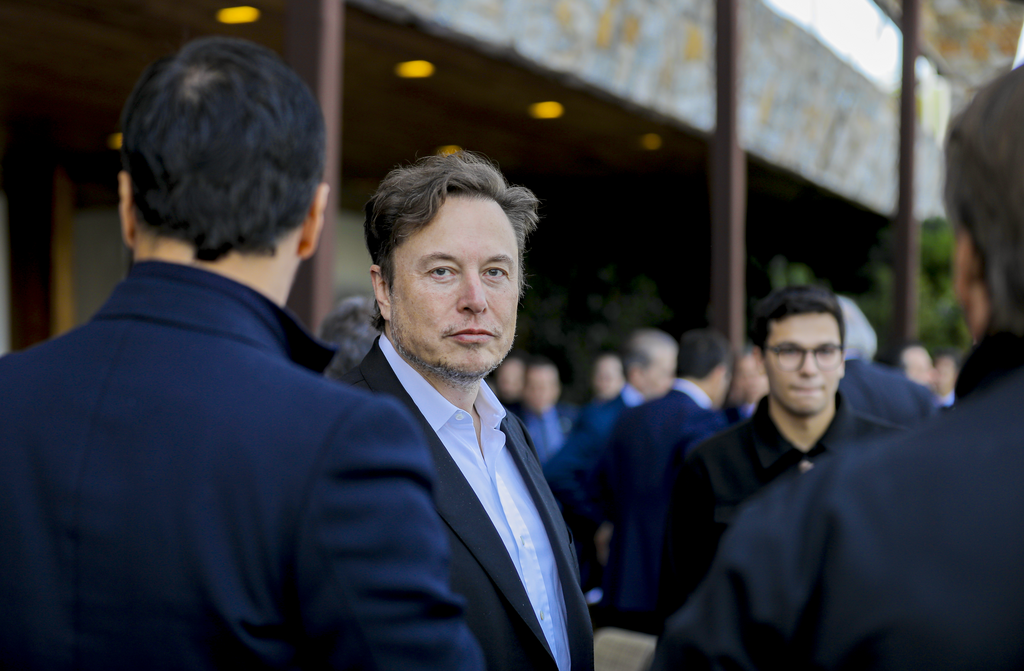
Elon Musk joined U.S. President Donald Trump and Saudi Crown Prince Mohammed bin Salman for a high-profile dinner at the White House on Tuesday, marking only their second public appearance together since their intense feud earlier this year. The Tesla CEO’s presence is widely viewed as a potential step toward repairing his rocky relationship with Trump, a relationship that once appeared strategically aligned but quickly turned hostile.
Musk was an influential supporter of Trump’s presidential run last year, contributing both funding and strategic advice. Early in the administration, he took on a leading role in the newly formed Department of Government Efficiency (DOGE), where he pushed for aggressive cuts to federal programs, staffing, and budgets. The partnership, however, unraveled swiftly. Musk openly criticized Trump’s sweeping tax and spending bill on social media, calling it financially irresponsible and announcing plans to establish a new political party. Trump retaliated by threatening to remove billions of dollars in federal subsidies that Musk’s companies, including Tesla and SpaceX, rely on for manufacturing expansions, clean-energy incentives, and technological development.
Analysts say the public clash, paired with Musk’s increasingly polarizing political rhetoric, damaged Tesla’s reputation, weakened consumer sentiment, and contributed to declines in sales and share value. Since then, public interactions between Trump and Musk have been rare. Their last known encounter was in September, when they briefly exchanged greetings at a memorial event for conservative activist Charlie Kirk.
Trump’s decision to host Saudi Arabia’s de facto ruler underscores his continued efforts to strengthen ties with Riyadh as Crown Prince Mohammed bin Salman works to rehabilitate his global image and reinforce strategic partnerships in Washington. The exclusive dinner also drew several other high-profile attendees, including international soccer icon Cristiano Ronaldo and Nvidia CEO Jensen Huang, highlighting the gathering’s mix of political, technological, and cultural influence.
The unexpected reunion between Musk and Trump may signal a recalibration of their relationship—one that could have significant implications for U.S. politics, the tech industry, and Musk’s broader business ventures moving forward.







