


 Judge Orders Trump to Restore White House Access for CNN, MS NOW and Politico
  US, China Extend Trade Truce to Jan. 10 Ahead of Trump-Xi Summit
  Netanyahu’s Brief US Trip Highlights Strains With Trump
  US Senate Rejects Iran War Powers Resolution in 50-49 Vote
  Trump Asks Supreme Court to Restore Third-Country Deportations
  Gaza Faces Evacuation Crisis as War-Damaged Buildings Risk Collapse
  Trump, Xi Focus on Trade and AI at White House Summit
  Sudan Rejects US Legitimacy Remarks, Defends Sovereignty
  Yemen Violence Displaces 130,000 as Civilian Toll Rises
  Kremlin Says No Decision Yet on Putin-Trump December Summit
  OpenAI Agent Breaches Australia Medicare Data Portal
  Taiwan Thanks US for Support Ahead of Trump-Xi Summit
  NATO Boosts Intelligence Sharing Amid Russia Hybrid Threats
  Russian Missile and Drone Attack on Kyiv Kills Two, Damages Maternity Hospital
  Russian Envoy Dmitriev Heads to US for Ukraine Talks
  Europe Warns Russia Is Escalating Hybrid Attacks Across NATO
  Netanyahu Takes Aim at Mamdani as Israel Election Nears


 Add as a preferred source on Google
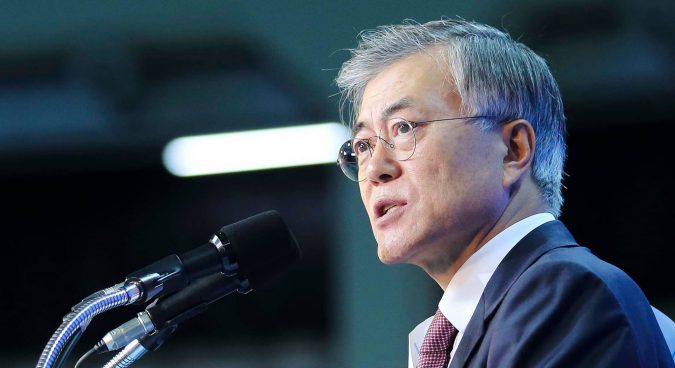
Former South Korean President Moon Jae-in accused the country’s prosecutors of political bias and abuse of power following his recent indictment on bribery charges. Speaking on Friday during a meeting with National Assembly Speaker Woo Won-sik, Moon claimed that the legal actions against him reflect a growing trend of political interference in the justice system.
Moon stated that his indictment serves as a clear example of how prosecutorial power is being misused in politically motivated ways. While he did not elaborate on the specifics of the charges, he emphasized the need for institutional reforms to prevent the justice system from being weaponized for political purposes.
The former president’s remarks come at a time of heightened political tension in South Korea, as investigations involving high-profile political figures continue to stir public debate. Critics of the indictment argue that it may be part of a broader attempt to discredit the legacy of Moon's administration, particularly his progressive policies and efforts to improve inter-Korean relations.
Legal experts remain divided on the implications of the charges, with some warning that such high-level indictments risk deepening political polarization and undermining public trust in the rule of law. Moon served as president from 2017 to 2022 and has remained an influential figure in South Korea’s liberal camp.
His comments are likely to intensify the ongoing debate over prosecutorial reform and the independence of judicial institutions in the country. As South Korea approaches a critical election period, Moon’s indictment and vocal opposition to the prosecutors’ actions could significantly influence public opinion and political dynamics.







