


 Bank of America Posts Strong Q4 2024 Results, Shares Rise
  Asian Currencies Muted as Dollar Firms Ahead of Trump-Xi Summit
  Wall Street Surges as Meta Leads AI Rally, Oil Prices Fall
  Gold Prices Rise as Oil Slump Eases Fed Rate Hike Fears
  Oil Prices Tumble on U.S.-Iran Diplomacy Hopes, Supply Relief
  France Debt-to-GDP Ratio Seen Hitting Record 119.3% in 2026
  S&P 500 Historically Rallies After Midterm Elections, UBS Says
  Lithium Market Poised for Recovery Amid Supply Cuts and Rising Demand
  Gold Prices Hold Steady Ahead of Trump-Xi Summit, Middle East Risks
  Yen Weakens as Dollar Gains on Widening US-Japan Rate Gap
  U.S. Dollar Hits Eight-Week High After Fed Rate Hike
  Canada Unveils Bill to Fast-Track Major Resource Projects
  UK Home Asking Prices Rise for First Time Since May
  Asian Stocks Mixed Ahead of Trump-Xi Meeting
  Oil Prices Rise as U.S.-Iran Talks Fuel Diplomacy Hopes
  Gold Prices Fall Amid Rate Jitters; Copper Steady as China Stimulus Eyed


 Add as a preferred source on Google
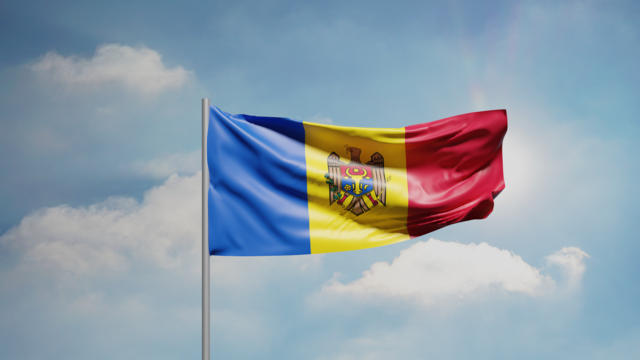
Energy-saving measures in Moldova’s separatist Transdniestria region have reduced rolling blackouts caused by halted Russian gas supplies. Blackouts, initially eight hours, were cut to three hours, with officials optimistic gas reserves will last through January.
Transdniestria, which broke away from Moldova after Soviet rule, relied on Russian gas via Ukraine. However, Ukraine, amidst its conflict with Russia, refused to renew the gas transit agreement beyond 2024. Gazprom has declined alternative routes, citing $709 million in Moldovan arrears—a claim Moldova disputes.
Factories in Transdniestria have adapted, switching to night shifts to ease grid strain. However, some industries, like a cement plant in Rybnitsa and a key steel mill, have shuttered. The thermal plant, fueled by Russian gas, previously supplied power to both the separatist region and Moldovan-controlled areas.
Moldova’s government blames Russia for engineering the crisis. President Maia Sandu stated that Gazprom could use the TurkStream pipeline via Turkey, Bulgaria, and Romania to restore supplies, but Moscow has not acted.
Moldovan officials accuse Russia of leveraging the energy crisis to destabilize the country ahead of elections. Press secretary Daniel Voda criticized Russia’s tactics, stating, “Moscow is holding people hostage, showing no concern for residents’ comfort or security.”
Despite offering aid to Transdniestria, Moldova claims its proposals were ignored. The separatist region denies receiving official offers.
Transdniestria’s historical tensions with Moldova persist. Following a brief war in 1992, the region hosts 1,500 Russian troops and remains a flashpoint amid broader geopolitical struggles in Eastern Europe.







