


 UBS Projects Mixed Market Outlook for 2025 Amid Trump Policy Uncertainty
  How the UK’s rollback of banking regulations could risk another financial crisis
  Oil Prices Dip Slightly Amid Focus on Russian Sanctions and U.S. Inflation Data
  S&P 500 Surges Ahead of Trump Inauguration as Markets Rally
  Investors Brace for Market Moves as Trump Begins Second Term
  Gold Prices Rise as Markets Await Trump’s Policy Announcements
  US Futures Rise as Investors Eye Earnings, Inflation Data, and Wildfire Impacts
  Do investment tax breaks work? A new study finds the evidence is ‘mixed at best’
  Urban studies: Doing research when every city is different
  China’s Growth Faces Structural Challenges Amid Doubts Over Data
  2025 Market Outlook: Key January Events to Watch
  Moldova Criticizes Russia Amid Transdniestria Energy Crisis
  Why your retirement fund might soon include cryptocurrency
  U.S. Banks Report Strong Q4 Profits Amid Investment Banking Surge
  Apple Downgraded by Jefferies Amid Weak iPhone Sales and AI Concerns
  Lithium Market Poised for Recovery Amid Supply Cuts and Rising Demand
  Wall Street Analysts Weigh in on Latest NFP Data


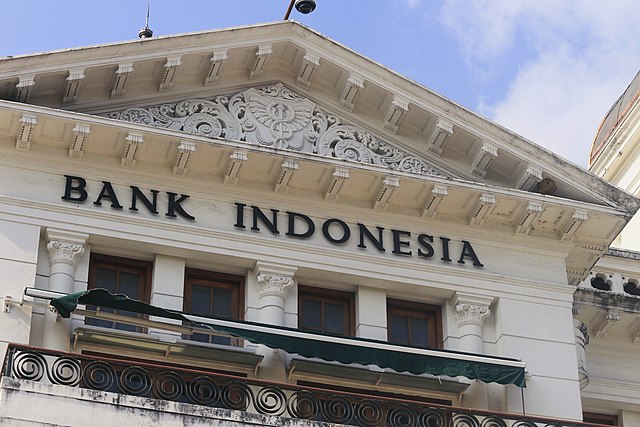
Indonesia’s central bank, Bank Indonesia (BI), unexpectedly reduced its benchmark 7-day reverse repurchase rate by 25 basis points to 5.75% on Wednesday, signaling a return to monetary easing. This marks the first cut since September, aimed at bolstering Southeast Asia’s largest economy despite ongoing currency volatility.
The decision surprised economists, as all 30 polled by Reuters predicted no rate change due to concerns over the rupiah. Alongside the benchmark cut, BI lowered its deposit and lending facility rates by 25 basis points to 5.00% and 6.50%, respectively.
BI Governor Perry Warjiyo stated that the rate cut aligns with expectations of low inflation in 2025 and 2026. He emphasized the need to balance inflation control with supporting economic growth, noting BI’s focus on maintaining the exchange rate within fundamentals.
Economic growth forecasts for 2024 and 2025 were slightly downgraded, with BI predicting growth between 4.7%-5.5% for both years. This is a reduction from the previous 2025 range of 4.8%-5.6%.
Following the announcement, the rupiah weakened to 16,325 per dollar, its lowest level since July, while the benchmark stock index gained 1.5%. Despite currency challenges, Warjiyo highlighted reduced uncertainties and confidence in measured policy adjustments.
Inflation remains moderate, with December’s annual rate at 1.57%, near the lower end of BI’s 1.5%-3.5% target. The central bank’s rate cut reflects its priority to stimulate growth while addressing financial market volatility.
This unexpected move demonstrates BI’s commitment to supporting economic recovery amid global uncertainties, balancing domestic stability with growth-oriented policies.







