


 Gold Hits Record High as Investors Eye Fed Chair Powell’s Speech on Tariffs
  UBS Predicts Potential Fed Rate Cut Amid Strong US Economic Data
  Vietnam, US Trade Deal Could Be Signed Soon, To Lam Says
  US-China Talks Target AI, Tariffs Ahead of Trump-Xi Summit
  Urban studies: Doing research when every city is different
  UK Markets Face Rising Volatility as Hedge Funds Target Pound and Gilts
  RBA Says ASX Still Falls Short on Governance and Risk Controls
  Yen Weakens as Dollar Gains on Widening US-Japan Rate Gap
  U.S. Treasury Yields Expected to Decline Amid Cooling Economic Pressures
  Oil Prices Dip Slightly Amid Focus on Russian Sanctions and U.S. Inflation Data
  South Korea to Brief Lawmakers on $350 Billion US Investment Package
  Canada Unveils Bill to Fast-Track Major Resource Projects
  China’s Growth Faces Structural Challenges Amid Doubts Over Data
  Oil Prices Rise as Houthi Strikes on Riyadh Fuel Middle East Tensions
  Oil Prices Tumble on U.S.-Iran Diplomacy Hopes, Supply Relief
  European Stocks Rally on Chinese Growth and Mining Merger Speculation
  Wall Street Surges as Meta Leads AI Rally, Oil Prices Fall


 Add as a preferred source on Google
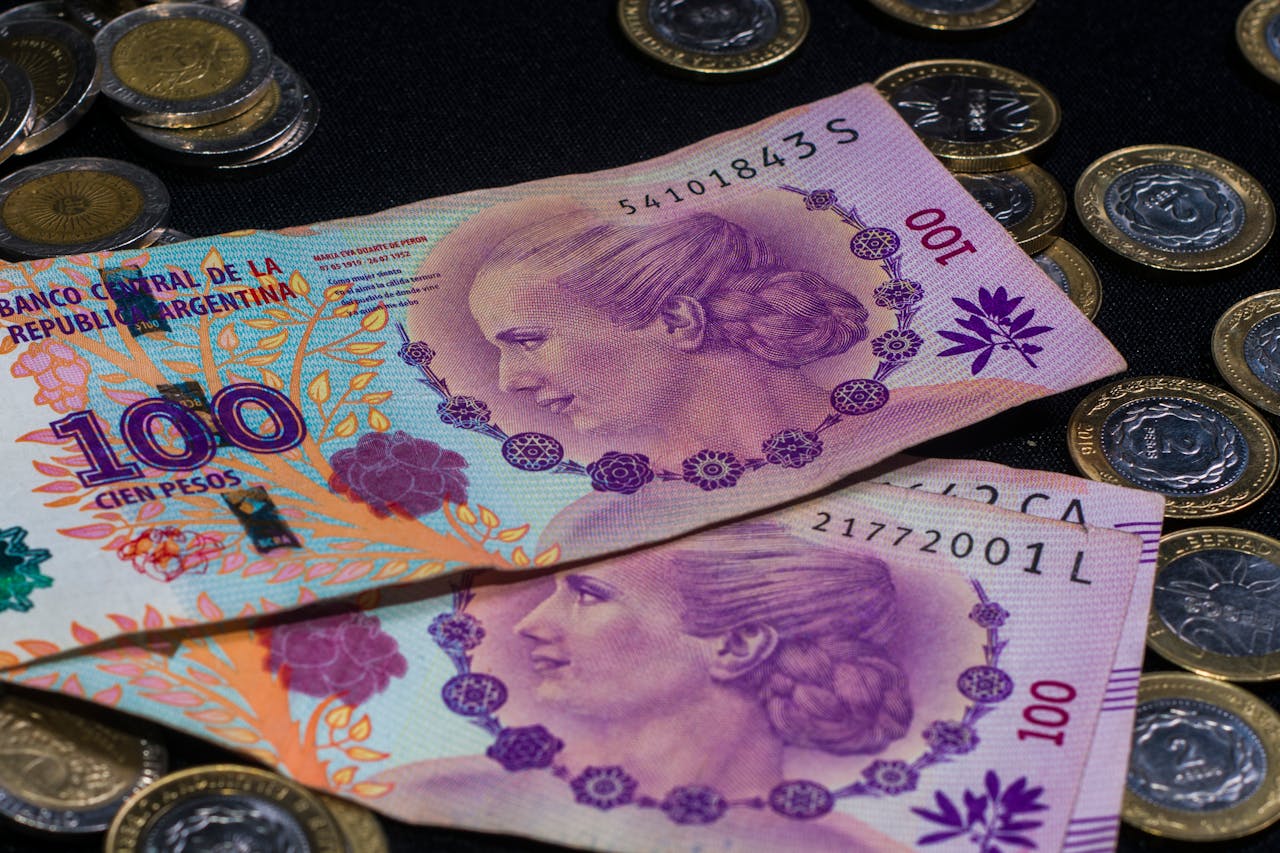
Moody's Investors Service (NYSE:MCO) raised Argentina's long-term foreign currency credit rating to "Caa3" from "Ca," citing the government's robust economic policies under libertarian President Javier Milei. This marks the first upgrade in five years after a 2020 downgrade during pandemic-driven debt challenges.
Argentina recorded a historic $18.9 billion trade surplus in 2024, reflecting Milei's economic reforms in his first full year in office. These policies tackled hyperinflation, depleted reserves, and significant fiscal imbalances, significantly reducing default risks, Moody's noted. The agency highlighted the "decisive fiscal adjustments" and measures to halt monetary financing, which have stabilized external finances and restored investor confidence.
Milei's "zero deficit" policy has boosted financial market performance and curbed inflation. Moody's also revised Argentina's outlook to "positive" from "stable," acknowledging progress in macroeconomic stabilization and commitment to debt obligations.
This rating upgrade underscores a pivotal shift in Argentina’s economic trajectory, fueled by Milei's reformist approach.







