


 Abbas Reaffirms November 28 Palestinian Elections
  Taiwan Thanks US for Support Ahead of Trump-Xi Summit
  Ghana Says Western Support Growing for Slave Trade Reparations
  Netanyahu Defends Israel at UN as Delegates Stage Walkout
  North Korea Rejects Nuclear Test Warning, Calls Nuclear Status Irreversible
  South Korea, US Discuss Warship Building Cooperation
  Russian Missile and Drone Attack on Kyiv Kills Two, Damages Maternity Hospital
  EU Defence Build-Up Too Slow for 2030 Russia Readiness Goal
  Netanyahu Takes Aim at Mamdani as Israel Election Nears
  Ukrainian Drone Attacks Hit Russian Regions, Injuring at Least 12
  Mexico-US Trade Talks Delayed to October as Tariff Negotiations Continue
  Saudi Arabia, Turkey and Pakistan Plan Urgent Defence Talks Over Houthi Attacks
  North Korea Warns South Korea Over US-Led Defense Role
  Trump, Xi Visit US National Archives After White House Summit
  Sudan Rejects US Legitimacy Remarks, Defends Sovereignty
  France Defends Netanyahu Airspace Clearance Despite ICC Warrant
  Pezeshkian Says US Must Choose When Iran War Ends


 Add as a preferred source on Google
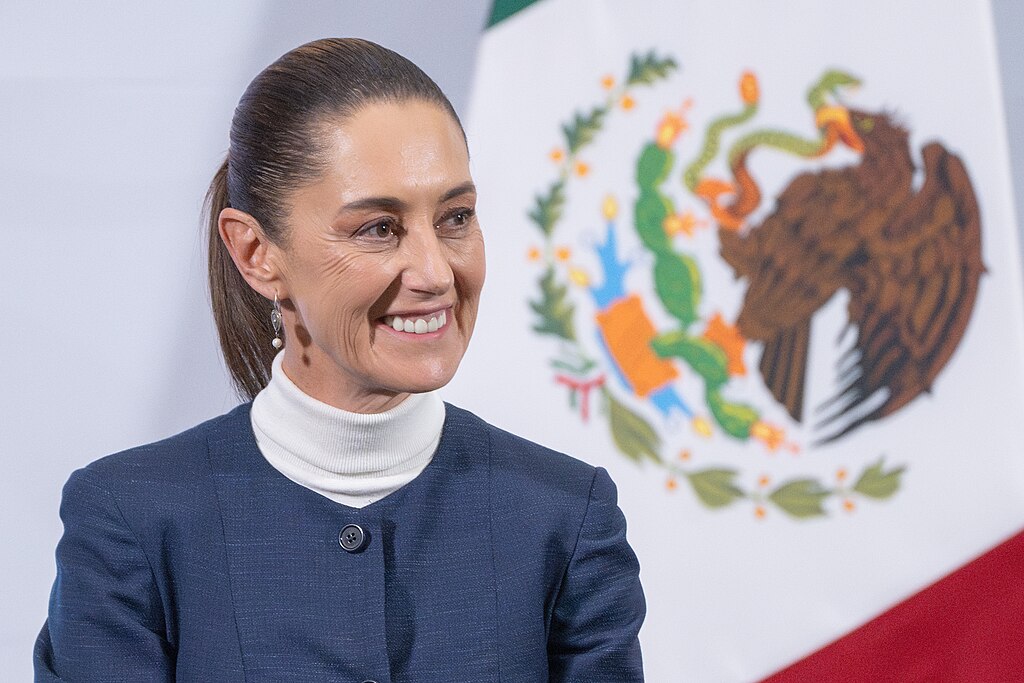
Mexican and U.S. officials are set to meet Tuesday to negotiate water deliveries under a decades-old treaty that has once again stirred diplomatic friction between the two nations. The discussion comes after U.S. President Donald Trump accused Mexico of violating the 1944 Water Treaty and warned of a potential 5% tariff on Mexican goods if the country fails to urgently supply 200,000 acre-feet of water before December 31. One acre-foot is enough to fill roughly half an Olympic-size swimming pool.
Mexican President Claudia Sheinbaum, along with senior government officials, will participate in virtual talks with U.S. representatives, including Agriculture Secretary Brooke Rollins and Secretary of State Christopher Landau. Sheinbaum said during her morning conference that she expects the issue to be resolved through dialogue.
Under the water-sharing agreement, Mexico must deliver 1.75 million acre-feet of Rio Grande water to the United States every five years. However, recurring droughts linked to climate change, along with rising local demand, have made it difficult for Mexico to meet its obligations on schedule. Mexican authorities emphasize that the treaty allows for flexibility by permitting water deficits to be carried over into the next five-year cycle—a provision that has become a point of contention for U.S. officials who argue that the delays severely impact Texas farmers dependent on consistent water supplies.
Texas Senator Ted Cruz’s office criticized Mexico’s approach, claiming the shortfall is due to policy choices rather than environmental or infrastructure limitations. Meanwhile, President Trump has repeatedly accused Mexico of withholding water, alleging that the shortages harm U.S. agriculture. Earlier this year, Mexico agreed to increase water deliveries to ease tensions and support Texas producers, temporarily stabilizing the situation as both nations continue delicate negotiations tied to the U.S.-Mexico-Canada Agreement.
As talks resume, both countries aim to prevent further escalation and secure a sustainable water-sharing path forward.







