


 Wall Street Ends Flat as Oil, Treasury Yields and Fed Jitters Rattle Markets
  US Stock Futures Fall as Treasury Yields Surge Ahead of Trump-Xi Summit
  Putin Says Ukraine Peace Proposals Remain on Table
  Netanyahu’s Brief US Trip Highlights Strains With Trump
  Fed Unveils Stablecoin Rules Under GENIUS Act
  North Korea Warns South Korea Over US-Led Defense Role
  Iran Rejects Nuclear Concessions in Hormuz Deal
  Trump, Xi Focus on Trade and AI at White House Summit
  Japan Private-Sector Growth Slows as Domestic Demand Weakens
  China’s ‘Lipstick King’ Says AI Won’t Replace Livestream Hosts
  EU Agrees €6.6 Billion Military Aid Funding for Ukraine
  European Stocks Fall as Bond Yields and Geopolitical Risks Weigh
  US 10-Year Treasury Yield at 6% Emerges as New Market Risk Threshold
  US Comfortable With Canada Trade Standoff as Import Bans Loom
  NATO Boosts Intelligence Sharing Amid Russia Hybrid Threats
  Ukrainian Drone Attacks Hit Russian Regions, Injuring at Least 12
  Japanese Bank Stocks Surge as Bond Yields Fuel Rate Hike Bets


 Add as a preferred source on Google
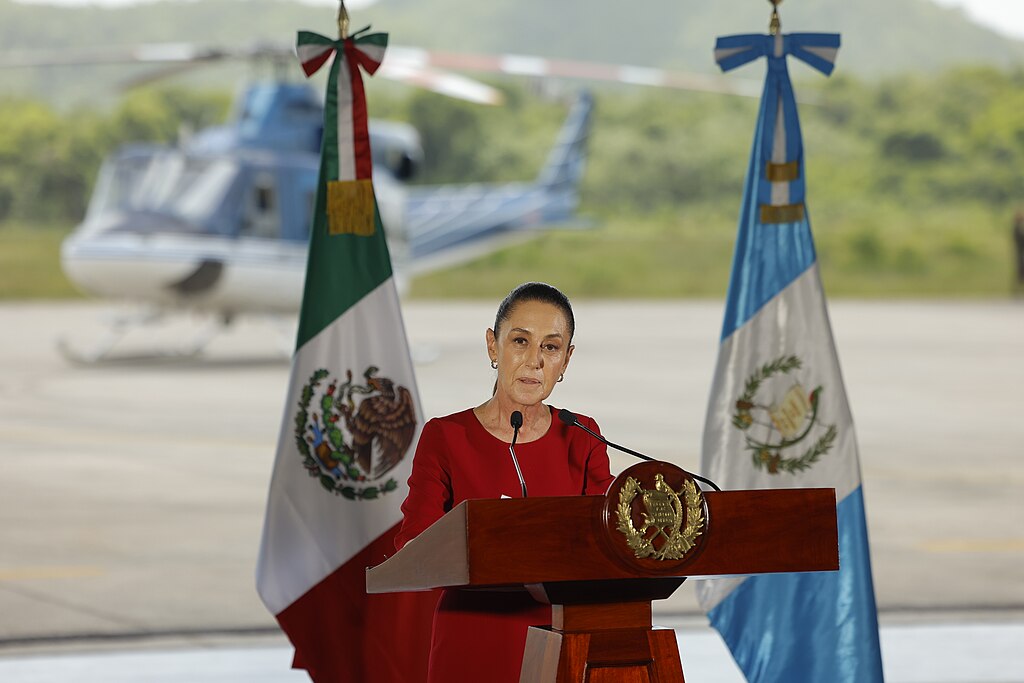
Mexican President Claudia Sheinbaum said Thursday her government does not seek conflict with countries affected by its new tariff measures, including China. She emphasized the move is aimed at strengthening Mexico’s economy and industrial capacity, not targeting trade partners.
On Wednesday, Mexico announced tariffs of up to 50% on Chinese cars as part of a broader import levy overhaul covering hundreds of products worth around $52 billion. The decision, impacting nations without free trade agreements with Mexico, has raised speculation that it was meant to appease the United States, Mexico’s top trade partner. Sheinbaum rejected this, stating the plan was part of an industrial strategy proposed before Donald Trump’s election.
China, Mexico’s largest auto supplier, exported over 177,000 vehicles in the first eight months of this year, according to Mexico’s statistics agency INEGI. General Motors was the top U.S. automaker exporting from China to Mexico, with the Chevrolet Aveo leading shipments. Mexico’s economy minister explained that Chinese cars were being sold below reference prices, making tariffs necessary to protect local producers.
China’s Foreign Ministry spokesperson Lin Jian responded that Beijing opposed restrictions imposed under “various pretexts” but hoped both nations would cooperate and avoid conflict.
Mexico’s automotive industry association AMIA welcomed the tariff increase, saying it would ensure fair competition and boost jobs. Mexico, a key car manufacturer exporting mainly to the U.S., also imports hundreds of thousands of vehicles annually. The new tariffs aim to balance the market, protect local production, and strengthen Mexico’s automotive sector.
By imposing higher import duties, Mexico seeks to safeguard its domestic industry while maintaining open dialogue with affected countries, particularly China, to avoid escalating trade tensions.







