


 Pope Leo Warns UN, Multilateral Groups Face Crisis
  Colombia Extradites FARC Dissident Leader ‘Spider’ to US
  US Backs Musk in Fight Against EU’s €120 Million X Fine
  North Korea Warns South Korea Over US-Led Defense Role
  EU Agrees €6.6 Billion Military Aid Funding for Ukraine
  Evan Gershkovich Says FSB Set Trap for 2023 Russia Arrest
  Saudi Arabia Seeks Military Support as Houthi Attacks Escalate
  Netanyahu’s Brief US Trip Highlights Strains With Trump
  Taiwan Says U.S. Arms Sales Protect Chip Supply
  US Comfortable With Canada Trade Standoff as Import Bans Loom
  China Agrees to Buy 20 Million Tons of U.S. Coal
  Xi Calls for Deeper U.S.-China AI Cooperation in Trump Talks
  What ‘Taiwan Independence’ Means as Xi Presses Trump on US Policy
  Iran Rejects Nuclear Concessions in Hormuz Deal
  UK PM Burnham to Unveil Economic Vision at Labour Conference
  Pezeshkian Says US Must Choose When Iran War Ends
  Najib Razak Seeks Stay of 15-Year 1MDB Prison Sentence


 Add as a preferred source on Google
Latin American governments are sharply divided after a surprise U.S. military operation in Venezuela that President Donald Trump said resulted in the capture of longtime leader Nicolas Maduro. The incident has reignited debate across the region over U.S. intervention, sovereignty, and the future of Venezuela, exposing deep ideological rifts among Latin American leaders.
For many countries, the event revives painful memories of 20th-century U.S.-backed interventions that helped install authoritarian regimes in nations such as Chile, Honduras, and elsewhere. At the same time, Maduro had become one of the region’s most isolated and unpopular leaders, presiding over a prolonged economic collapse that triggered one of the world’s largest migration crises. Nearly 8 million Venezuelans have fled since 2018, with most relocating to neighboring Latin American and Caribbean countries, according to the International Organization for Migration.
Recent elections across Latin America have brought a wave of right-leaning governments to power, many campaigning on tougher stances against crime, migration, and leftist movements. Rising concerns over organized crime, including the spread of Venezuela’s Tren de Aragua gang, have further shaped public opinion and political rhetoric.
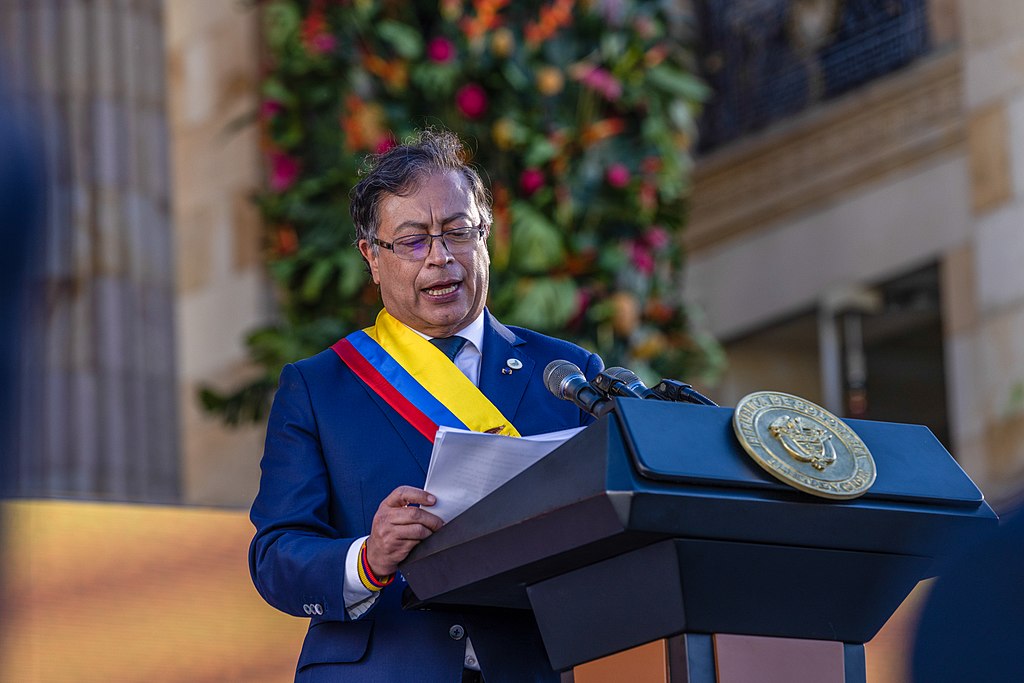
Reactions to Maduro’s capture largely followed ideological lines. Left-wing leaders such as Colombia’s President Gustavo Petro and Brazil’s President Luiz Inácio Lula da Silva strongly condemned the operation, calling it a violation of Venezuela’s sovereignty and an unacceptable escalation. Mexico’s President Claudia Sheinbaum also criticized the U.S. action while emphasizing continued security cooperation with Washington.
In contrast, conservative leaders welcomed the development. Argentina’s President Javier Milei openly supported the move, while Ecuador’s President Daniel Noboa framed it as a blow against what he called “narco-Chavismo.” In Chile, outgoing President Gabriel Boric denounced the attack, while President-elect José Antonio Kast praised Maduro’s arrest and called for accountability across the region.
Analysts say the event marks a turning point in U.S.-Latin America relations, signaling Washington’s renewed willingness to act forcefully in its traditional sphere of influence. Protests both supporting and opposing the action have been announced across major Latin American cities, underscoring how deeply the issue resonates throughout the region.







