


 EU Defence Build-Up Too Slow for 2030 Russia Readiness Goal
  Evan Gershkovich Says FSB Set Trap for 2023 Russia Arrest
  Pezeshkian Says US Must Choose When Iran War Ends
  Yemen Violence Displaces 130,000 as Civilian Toll Rises
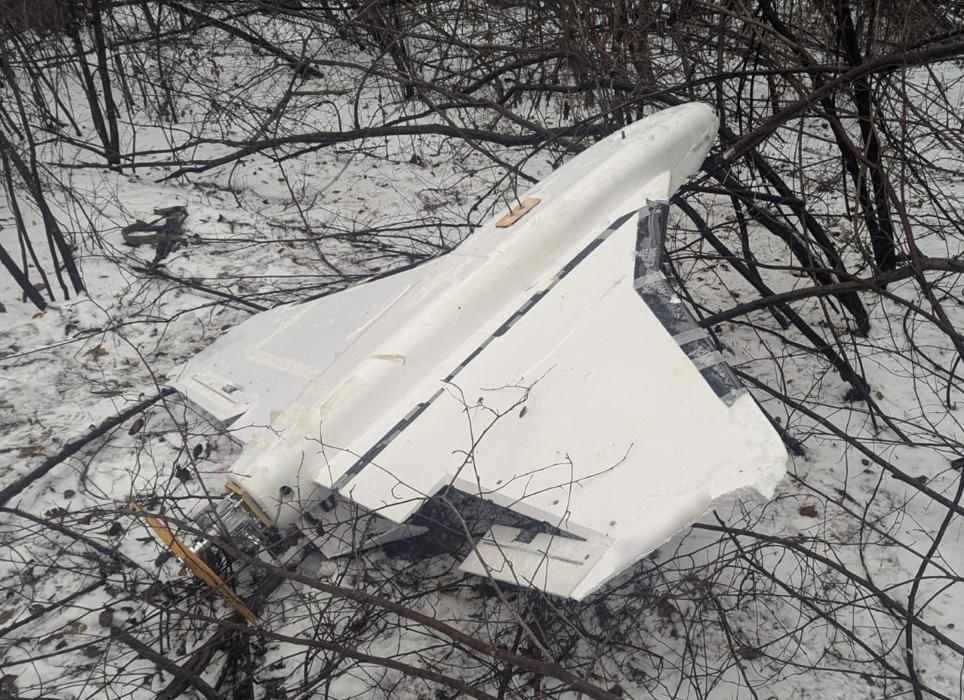
  Ukrainian Drone Attacks Hit Russian Regions, Injuring at Least 12
  Trump Asks Supreme Court to Restore Third-Country Deportations
  North Korea Warns South Korea Over US-Led Defense Role
  Trump, Xi Visit US National Archives After White House Summit
  Netanyahu Defends Israel at UN as Delegates Stage Walkout
  NATO Boosts Intelligence Sharing Amid Russia Hybrid Threats
  Xi Calls for Deeper U.S.-China AI Cooperation in Trump Talks
  Saudi Arabia Seeks Military Support as Houthi Attacks Escalate
  Trump Warns China Against Supporting Iran in Xi Talks
  US Supreme Court Revives Trump Administration Voter Citizenship Database
  US Backs Musk in Fight Against EU’s €120 Million X Fine
  Putin Says Ukraine Peace Proposals Remain on Table


 Add as a preferred source on Google
In the frontline city of Kramatorsk, Ukraine, daily life unfolds under the constant threat of Russian drone attacks. Maksym Lysenko, a 29-year-old entrepreneur, runs his Zaboy clothing store just blocks away from the frontline. As explosions from Russian suicide drones echo nearby, shoppers continue to browse T-shirts bearing messages of freedom and resilience. For Lysenko and many residents, leaving is not an option—they see their presence as defiance against Russian aggression.
Kramatorsk and neighboring Sloviansk, once bustling cities of nearly 200,000 residents each, now hold about half their pre-war populations. Positioned on Ukraine’s so-called “fortress belt” in Donetsk, these cities are among the last major urban strongholds preventing Russia from fully seizing the region. The proximity to Russian forces—some positions less than 20 km away—makes survival a daily challenge. Yet, residents like Lysenko, local farmers, and returnees such as Darka Harnyk refuse to surrender their home, rejecting Russian President Vladimir Putin’s proposals to exchange territory for peace.
Recent polls reflect this defiance: 75% of Ukrainians reject territorial concessions, while 62% are prepared to endure war “as long as it takes.” President Volodymyr Zelenskiy continues to reject Russia’s demands, instead calling for international sanctions and security guarantees. Despite this, Russian forces advance westward, and U.S. President Donald Trump has resisted imposing harsher sanctions.
The rise of cheap, fast, and deadly drones has further complicated Ukraine’s defense. Both sides deploy unmanned aerial vehicles capable of precision strikes, while jamming technologies and new fibre-optic drones increase the risks for both soldiers and civilians. Roads in and out of Kramatorsk have become perilous, with alternative routes marked by warnings of drone danger. Military vehicles now travel with protective cages, jammers, and nets in hopes of withstanding aerial strikes.
Despite devastation—missile strikes have reduced markets, restaurants, and apartment blocks to rubble—the people of Kramatorsk remain steadfast. Flowers still appear at memorial sites, businesses stay open, and buses carry residents past ruins. For many, resilience is not just survival—it is a statement that their city will remain under the Ukrainian flag.







