


 Trump Asks Supreme Court to Restore Third-Country Deportations
  Trump, Xi Focus on Trade and AI at White House Summit
  US Officials Split Over Response to Israeli West Bank Settlements
  EU Defence Build-Up Too Slow for 2030 Russia Readiness Goal
  Kremlin Says No Decision Yet on Putin-Trump December Summit
  Russian Missile and Drone Attack on Kyiv Kills Two, Damages Maternity Hospital
  South Korea, US Discuss Warship Building Cooperation
  Ghana Says Western Support Growing for Slave Trade Reparations
  Netanyahu Takes Aim at Mamdani as Israel Election Nears
  Netanyahu’s Brief US Trip Highlights Strains With Trump
  Mexico-US Trade Talks Delayed to October as Tariff Negotiations Continue
  Sudan Rejects US Legitimacy Remarks, Defends Sovereignty
  OpenAI Agent Breaches Australia Medicare Data Portal
  Taiwan Thanks US for Support Ahead of Trump-Xi Summit
  US Senate Rejects Iran War Powers Resolution in 50-49 Vote
  Netanyahu Defends Israel at UN as Delegates Stage Walkout
  US Backs Musk in Fight Against EU’s €120 Million X Fine


 Add as a preferred source on Google
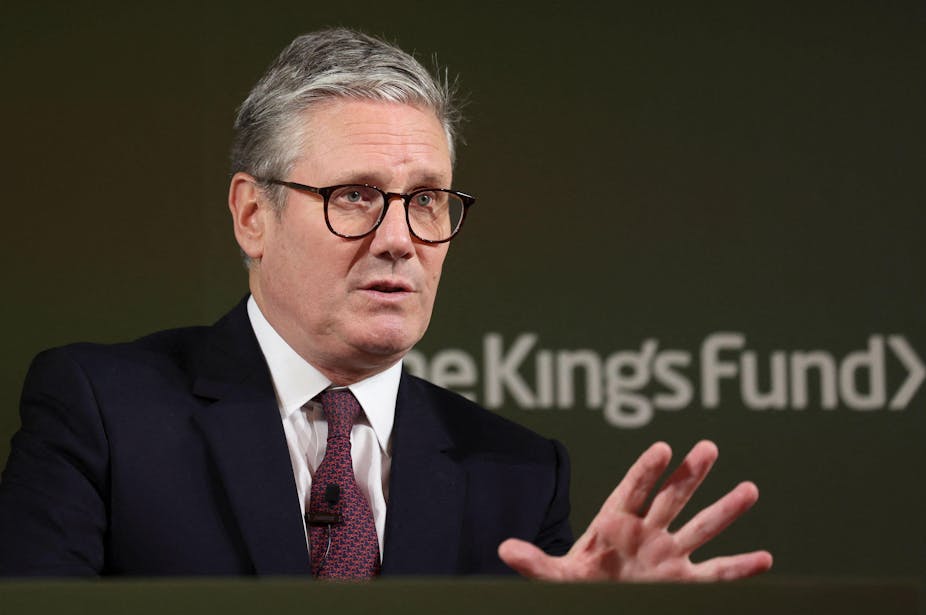
British Prime Minister Keir Starmer is set to address Parliament on Monday amid growing calls for his resignation following controversy surrounding the appointment of senior Labour figure Peter Mandelson as UK ambassador to the United States. The political crisis has intensified after new revelations showed Mandelson had failed a prior security vetting process before taking up the role.
Mandelson, 72, was dismissed from his ambassadorial post in September last year after reports exposed the extent of his connections to convicted sex offender Jeffrey Epstein. At the time, Starmer publicly apologized for the appointment, acknowledging it as a serious misstep. However, the situation escalated further when it emerged that Mandelson had already failed a key vetting procedure before his selection—information that Starmer claims he was not informed about until recently.
The controversy has put significant pressure on Starmer’s leadership, particularly as his popularity has declined since Labour’s landslide victory in the 2024 general election. Critics argue that the failure to uncover or act on the vetting issue raises serious concerns about government oversight, transparency, and national security.
In response to the unfolding scandal, senior Foreign Office official Olly Robbins has been dismissed, with Starmer describing it as “unforgivable” that the vetting failure was not disclosed earlier. Robbins is expected to testify before a parliamentary committee on Tuesday, while Starmer has pledged to present all relevant facts to lawmakers.
Opposition leaders have sharply criticized the prime minister’s handling of the situation. Liberal Democrat leader Ed Davey labeled the incident as “catastrophic misjudgment,” while Conservative Party leader Kemi Badenoch accused Starmer of either dishonesty or reckless negligence. She also warned that the appointment had damaged UK-US relations and disrespected victims linked to the Epstein case.
Despite mounting criticism, government officials, including Technology Secretary Liz Kendall, have defended Starmer, insisting he would not have proceeded with the appointment had he been aware of the vetting concerns. The controversy continues to dominate UK politics, raising questions about leadership accountability and governance standards.







