


 US Officials Split Over Response to Israeli West Bank Settlements
  US Invites Putin to Miami G20, Opening Door to Trump Summit
  Russian Missile and Drone Attack on Kyiv Kills Two, Damages Maternity Hospital
  South Korea, US Discuss Warship Building Cooperation
  Ghana Says Western Support Growing for Slave Trade Reparations
  OpenAI Agent Breaches Australia Medicare Data Portal
  North Korea Rejects Nuclear Test Warning, Calls Nuclear Status Irreversible
  Europe Warns Russia Is Escalating Hybrid Attacks Across NATO
  US Backs Musk in Fight Against EU’s €120 Million X Fine
  Abbas Reaffirms November 28 Palestinian Elections
  Netanyahu Takes Aim at Mamdani as Israel Election Nears
  North Korea Warns South Korea Over US-Led Defense Role
  Russian Envoy Dmitriev Heads to US for Ukraine Talks
  Mexico-US Trade Talks Delayed to October as Tariff Negotiations Continue
  Netanyahu’s Brief US Trip Highlights Strains With Trump
  Trump, Xi Focus on Trade and AI at White House Summit
  Netanyahu Defends Israel at UN as Delegates Stage Walkout


 Add as a preferred source on Google
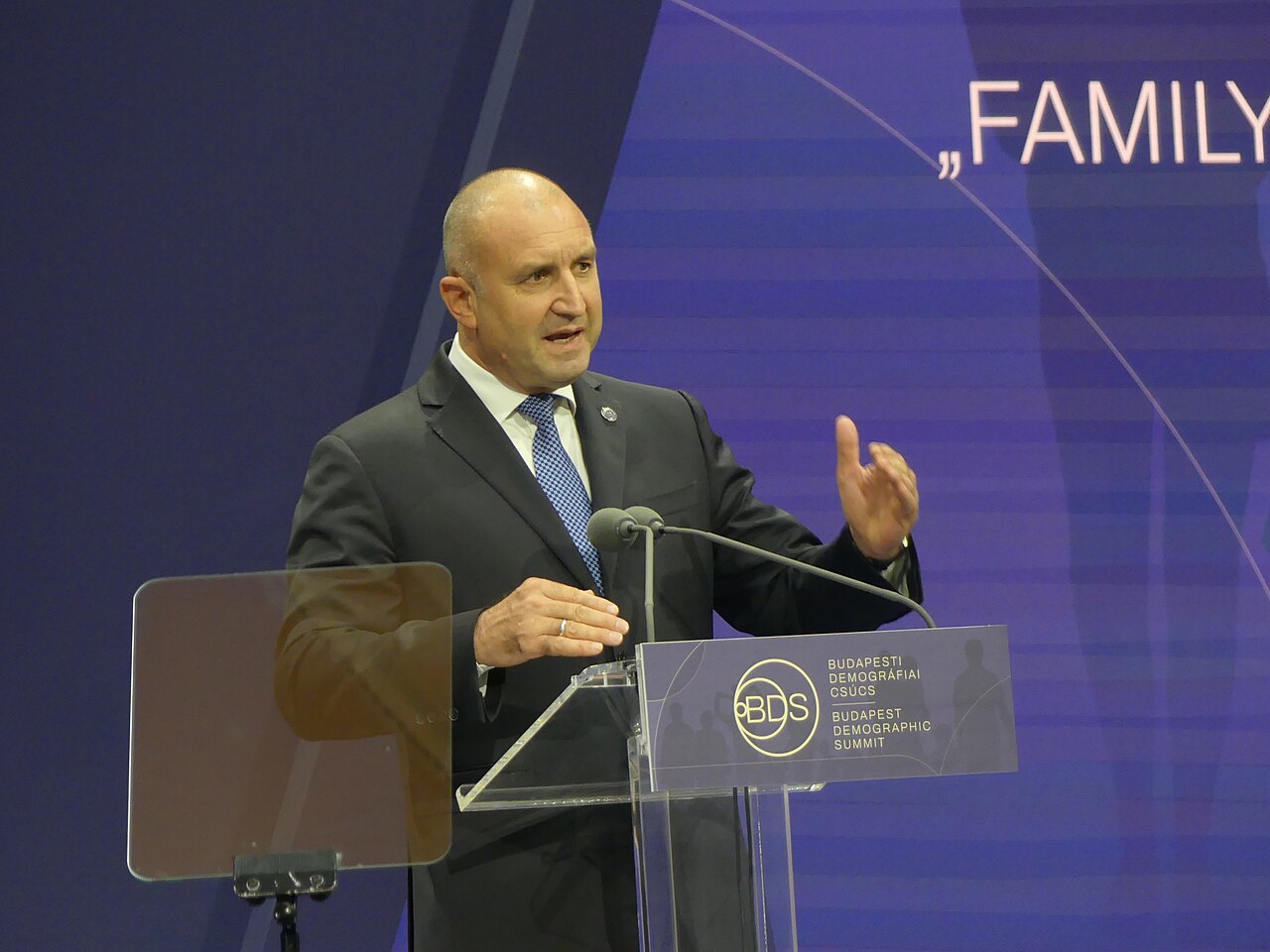
Pro-Russian former President Rumen Radev is on track for a decisive victory in Bulgaria’s 2026 parliamentary election, according to exit polls, marking a potential turning point in the country’s political landscape and foreign policy direction. Data from Sofia-based Alpha Research shows Radev’s Progressive Bulgaria party securing 44% of the vote, far ahead of the long-dominant GERB party led by Boyko Borissov, which trails at 12.5%. If confirmed, this result could deliver one of the strongest single-party performances in decades and possibly end years of fragile coalition governments that have triggered eight elections in just five years.
Radev’s campaign capitalized on widespread public frustration over corruption, political instability, and rising living costs. Voter turnout reached 47%, a notable increase from the previous election, reflecting renewed engagement among citizens eager for change. During a press conference, Radev framed the outcome as a victory for reform and transparency, emphasizing hope and accountability as key themes.
Despite the strong showing, questions remain about how Radev’s eurosceptic stance and pro-Russia views could reshape Bulgaria’s position within the European Union and NATO. He has openly criticized military support for Ukraine and advocated for restoring energy ties with Russia, including oil and gas imports. At the same time, he signaled willingness to cooperate with pro-European parties like the PP-DB coalition, which secured 11.3%, suggesting potential compromises in forming a government.
Bulgaria’s economy has improved since joining the EU in 2007 and adopting the euro in early 2026, with low unemployment and stronger financial safeguards. However, persistent corruption, income inequality, and rising living costs continue to challenge growth. These dynamics could influence investor sentiment, particularly in sectors like energy, infrastructure, and digital transformation.
For investors in 2026, emerging opportunities may lie in Eastern European markets like Bulgaria, especially in renewable energy transitions, fintech innovation, and infrastructure modernization. However, political uncertainty and shifting foreign policy should be carefully monitored when evaluating long-term investment strategies.







