


 US Senate Rejects Iran War Powers Resolution in 50-49 Vote
  South Korea, US Discuss Warship Building Cooperation
  Trump Asks Supreme Court to Restore Third-Country Deportations
  Yemen Violence Displaces 130,000 as Civilian Toll Rises
  Russian Missile and Drone Attack on Kyiv Kills Two, Damages Maternity Hospital
  Ghana Says Western Support Growing for Slave Trade Reparations
  Russian Envoy Dmitriev Heads to US for Ukraine Talks
  Pezeshkian Says US Must Choose When Iran War Ends
  Kremlin Says No Decision Yet on Putin-Trump December Summit
  US, China Extend Trade Truce to Jan. 10 Ahead of Trump-Xi Summit
  Abbas Reaffirms November 28 Palestinian Elections
  France Defends Netanyahu Airspace Clearance Despite ICC Warrant
  Netanyahu’s Brief US Trip Highlights Strains With Trump
  North Korea Warns South Korea Over US-Led Defense Role
  NATO Boosts Intelligence Sharing Amid Russia Hybrid Threats
  Netanyahu Takes Aim at Mamdani as Israel Election Nears
  OpenAI Agent Breaches Australia Medicare Data Portal


 Add as a preferred source on Google
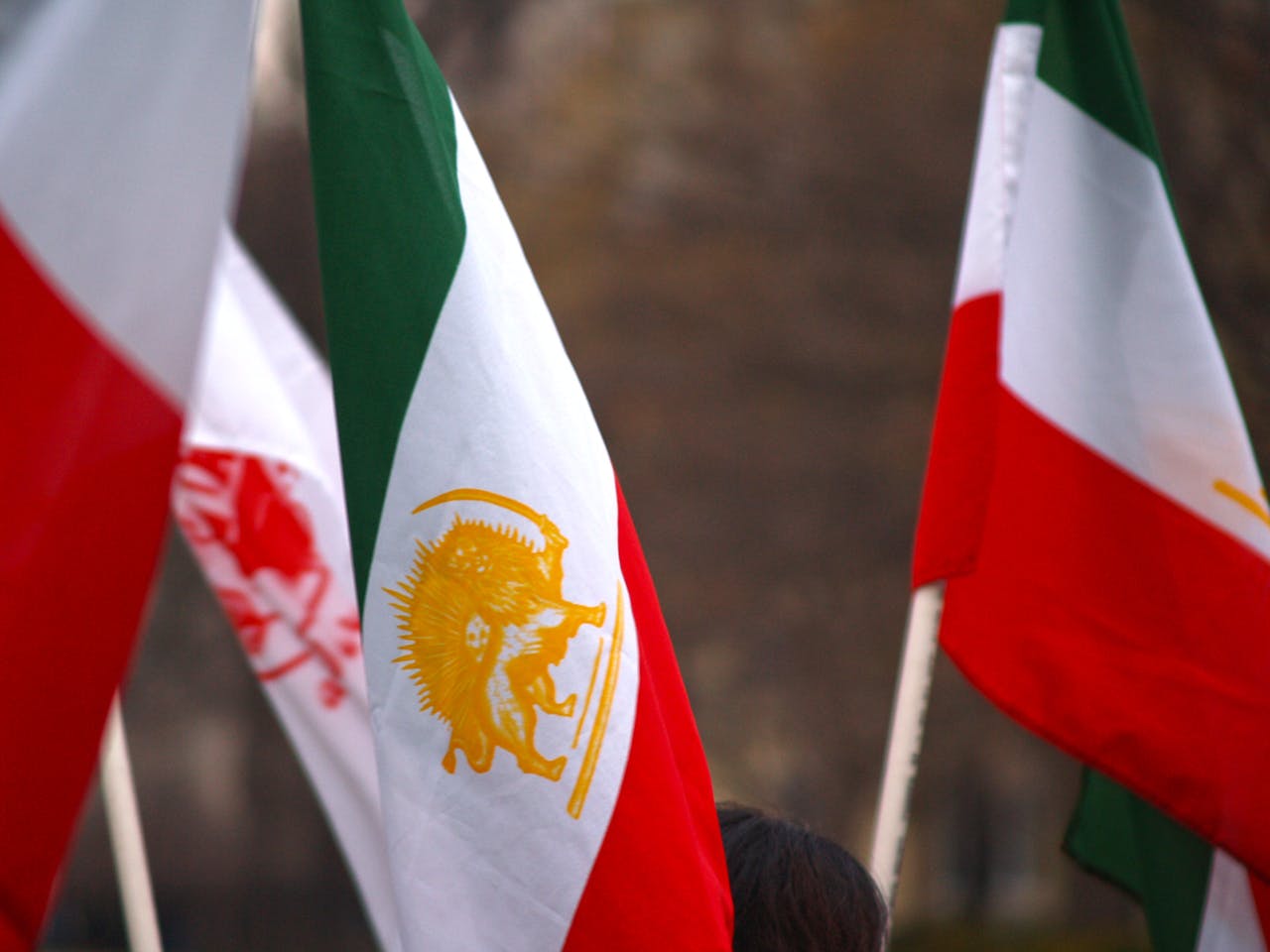
Geopolitical tensions in the Middle East have intensified after Iran's Islamic Revolutionary Guard Corps (IRGC) overturned a government decision to reopen the Strait of Hormuz, one of the world's most critical energy chokepoints. The reversal came just hours after Foreign Minister Abbas Araghchi publicly declared the waterway "completely open," exposing a dangerous rift between Iran's diplomatic leadership and its hardline military faction.
Araghchi, considered a pragmatist within Iran's government, made the announcement amid U.S.-brokered ceasefire negotiations, signaling a potential openness to compromise. However, IRGC gunboats quickly contradicted that message by firing on commercial vessels near the Omani coast and broadcasting radio warnings that effectively closed the strait to unauthorized maritime traffic. The incident was a rare and damaging public display of institutional dysfunction within the Islamic Republic.
Analysts warn that Western governments often misread Iran as a nation with a unified chain of command, when in reality its powerful military apparatus operates with considerable independence from civilian leadership. That disconnect has become even more pronounced following the death of Supreme Leader Ayatollah Ali Khamenei, whose absence has removed the central authority that once arbitrated factional disputes. Without that stabilizing force, hardline elements within the IRGC appear increasingly willing to act unilaterally, undermining diplomatic progress and complicating President Donald Trump's efforts to reach a lasting resolution.
Security expert Saeid Golkar of the University of Tennessee at Chattanooga noted that Khamenei's death has triggered open competition among rival factions. Operating under Iran's decentralized "mosaic defense" doctrine, IRGC commanders now appear to be pursuing their own strategic objectives, including retaliating for wartime losses, regardless of official government messaging.
For global energy markets and investors, the closure of the Strait of Hormuz introduces significant uncertainty. Until clearer authority is established within Tehran, any diplomatic agreement remains vulnerable to being reversed on the ground.







