


 South Korea, US Discuss Warship Building Cooperation
  Oil Prices Jump 3% as Houthi Attack Revives Supply Fears
  US Senate Rejects Iran War Powers Resolution in 50-49 Vote
  Japan Private-Sector Growth Slows as Domestic Demand Weakens
  Oil Prices Ease as Iran Tensions Clash With Diplomacy Hopes
  Sudan Rejects US Legitimacy Remarks, Defends Sovereignty
  Trump Asks Supreme Court to Restore Third-Country Deportations
  Mexico-US Trade Talks Delayed to October as Tariff Negotiations Continue
  US, China Extend Trade Truce to Jan. 10 Ahead of Trump-Xi Summit
  Yemen Violence Displaces 130,000 as Civilian Toll Rises
  China’s ‘Lipstick King’ Says AI Won’t Replace Livestream Hosts
  Wall Street Falls as Treasury Yields Surge, Oil Rebounds on Iran Tensions
  Judge Orders Trump to Restore White House Access for CNN, MS NOW and Politico
  Taiwan Thanks US for Support Ahead of Trump-Xi Summit
  Trump, Xi Focus on Trade and AI at White House Summit
  Australia Unemployment Hits Five-Year High Despite Strong Jobs Growth
  NATO Boosts Intelligence Sharing Amid Russia Hybrid Threats


 Add as a preferred source on Google
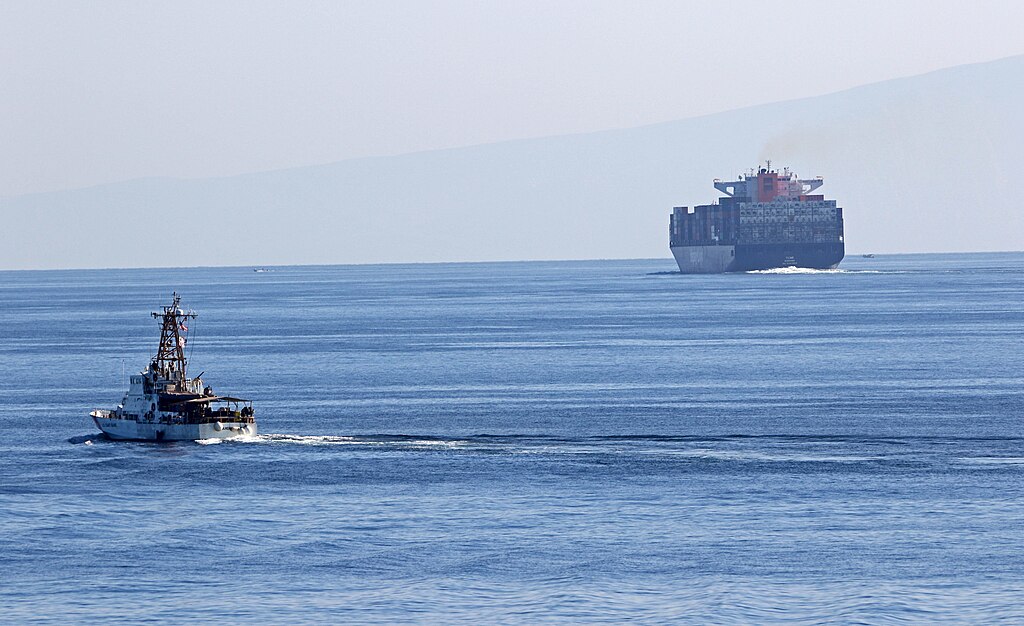
Hopes for a restoration of normal energy shipping through the Strait of Hormuz collapsed within hours on Saturday after Iran reimposed tight restrictions on the vital maritime corridor, just a day after declaring it open. The rapid reversal has sent fresh shockwaves through global energy markets already strained by months of conflict.
The strait, a narrow waterway responsible for roughly one-fifth of the world's liquefied natural gas (LNG) supply, briefly saw tanker traffic resume following a Friday statement by Iranian Foreign Minister Abbas Araghchi, who announced the passage was "completely open" in accordance with a Lebanon ceasefire agreement. Dozens of commercial vessels attempted to cross, but the window slammed shut almost as fast as it opened.
The turning point came when U.S. President Donald Trump confirmed that American naval forces would maintain their blockade of Iranian ports regardless of the diplomatic developments. Iran's response was swift and forceful — gunboats intercepted and fired on multiple commercial vessels, including a container ship and a tanker, without issuing radio warnings. Iranian officials declared that Washington's continued blockade constituted a ceasefire violation, effectively nullifying the temporary opening.
The fallout has been immediate. Several LNG tankers that had already loaded cargo in Qatar were forced to turn back or hold their positions in the Persian Gulf, stalling what would have been the first major energy transit since fighting escalated in late February. Emerging Asian economies that depend heavily on Gulf energy imports are bearing the brunt of the resulting supply disruptions.
Market analysts caution that the contradictory signals from both governments are deepening uncertainty in an already fragile energy landscape. With maritime insurers keeping the strait under a "high-risk" designation due to ongoing threats from mines, gunfire, and seizure, global fuel supply chains remain in a precarious and unresolved state.







