


 Japanese Bank Stocks Surge as Bond Yields Fuel Rate Hike Bets
  Gold Prices Fall as Treasury Yields Rise on Fed Rate Hike Bets
  Russian Envoy Dmitriev Heads to US for Ukraine Talks
  Soybean Futures Slip as Traders Await Trump-Xi Trade Signals
  U.S. 10-Year Treasury Yield Hits 2007 High as Fed Rate Hike Bets Rise
  US Stock Futures Fall as Treasury Yields Surge Ahead of Trump-Xi Summit
  US 10-Year Treasury Yield at 6% Emerges as New Market Risk Threshold
  South Korea, US Discuss Warship Building Cooperation
  RBI Uses $10 Billion Currency Swaps to Drain Excess Rupee Liquidity
  Gold Holds Near $4,275 as Rising Treasury Yields Fuel Fed Rate Hike Bets
  China’s ‘Lipstick King’ Says AI Won’t Replace Livestream Hosts
  Asian Currencies Mixed as Dollar Holds Near Two-Month High
  Oil Prices Surge as U.S.-Iran Diplomacy Hopes Fade
  Oil Prices Ease as Iran Tensions Clash With Diplomacy Hopes
  Wall Street Ends Flat as Oil, Treasury Yields and Fed Jitters Rattle Markets
  Australia Unemployment Hits Five-Year High Despite Strong Jobs Growth
  Asian Stocks Fall as Surging Bond Yields Rattle Markets


 Add as a preferred source on Google
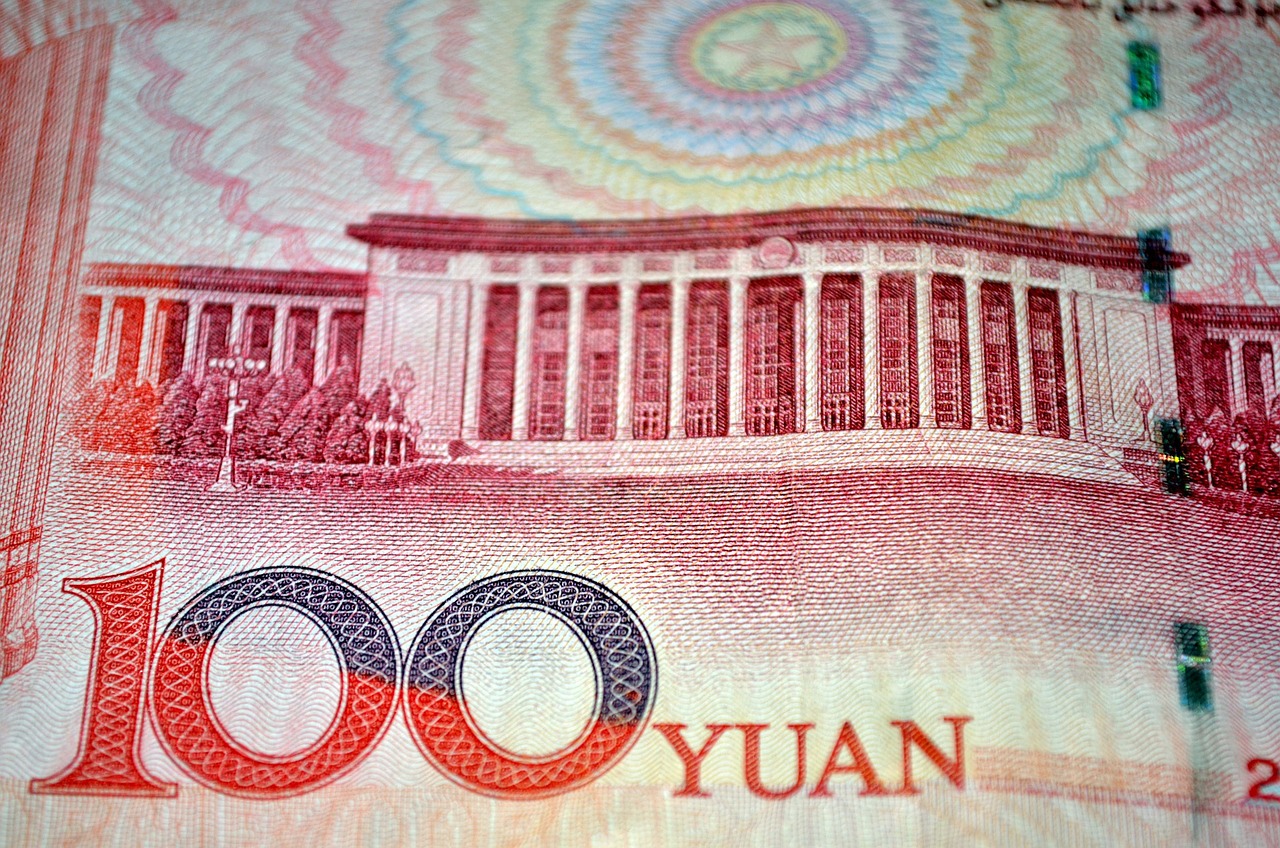
Asian currencies weakened on Monday while the U.S. dollar rebounded, supported by renewed safe-haven demand as geopolitical tensions between the United States and Iran escalated over the weekend. Investor sentiment remained cautious ahead of a fragile ceasefire set to expire this week, with markets closely watching developments in the ongoing conflict.
The dollar index and its futures climbed 0.2% during Asian trading hours, recovering after two consecutive weeks of losses. Demand for the greenback strengthened after reports that U.S. forces had intercepted and captured an Iranian vessel attempting to breach a naval blockade. Iran strongly condemned the action, accusing Washington of violating the ceasefire agreement. In response, Tehran once again closed the Strait of Hormuz, a critical global oil shipping route, adding further uncertainty to financial markets.
Despite the tensions, losses in Asian foreign exchange markets were relatively limited. Investors are increasingly betting that the U.S. may avoid aggressive escalation, based on previous patterns seen under President Donald Trump during the conflict. Still, uncertainty remains high, especially as the ceasefire deadline approaches and diplomatic signals from both sides remain mixed. While Trump indicated that further talks with Iran could take place in Pakistan, Iranian officials have not confirmed any participation.
Market participants are also awaiting key economic data, including upcoming U.S. retail sales figures, which could provide further direction for the dollar and broader currency markets. In Asia, economic indicators are also in focus, contributing to subdued trading activity.
The Chinese yuan remained stable after the People’s Bank of China held its benchmark loan prime rate steady at historic lows. Meanwhile, the Japanese yen, Australian dollar, South Korean won, Singapore dollar, and Indian rupee all posted modest declines against the dollar, reflecting cautious investor positioning amid geopolitical and economic uncertainty.







