


 US Backs Musk in Fight Against EU’s €120 Million X Fine
  Oil Prices Ease as Iran Tensions Clash With Diplomacy Hopes
  Tencent Launches TenPayGo Payment App for Foreign Tourists in China
  US Officials Split Over Response to Israeli West Bank Settlements
  OpenAI Agent Breaches Australia Medicare Data Portal
  Russian Missile and Drone Attack on Kyiv Kills Two, Damages Maternity Hospital
  Kremlin Says No Decision Yet on Putin-Trump December Summit
  Novo Nordisk Weighs Direct NYSE Listing to Boost U.S. Profile
  NATO Boosts Intelligence Sharing Amid Russia Hybrid Threats
  Trump, Xi Focus on Trade and AI at White House Summit
  European Stocks Fall as Bond Yields and Geopolitical Risks Weigh
  Trump Asks Supreme Court to Restore Third-Country Deportations
  OpenAI to Preview GPT-6 Cyber AI Model for Cybersecurity
  Oracle Shares Fall as New Mexico AI Data Center Faces Power Delays
  Mercedes-Benz Eyes €800 Million Labor Cost Cuts in Germany
  JPMorgan Names Lavatelli Japan Chief in Leadership Shake-Up
  Asian Stocks Fall as Bond Yields Surge Ahead of Trump-Xi Summit


 Add as a preferred source on Google
Australia has extended its temporary easing of fuel-quality standards through September, as ongoing disruptions from the Iran war continue to strain the country's fuel supply chains. Energy Minister Chris Bowen confirmed the decision on Saturday, stating that the allowable sulphur content in petrol will remain at 50 parts per million — five times the standard limit of 10 parts per million — for the foreseeable future.
The initial relaxation was introduced in March as a precautionary measure in response to fuel supply pressures triggered by the conflict, which marked its eighth week on Saturday. As a nation that imports the vast majority of its fuel, Australia has faced localized shortages that have tested its energy security resilience and prompted urgent government intervention.
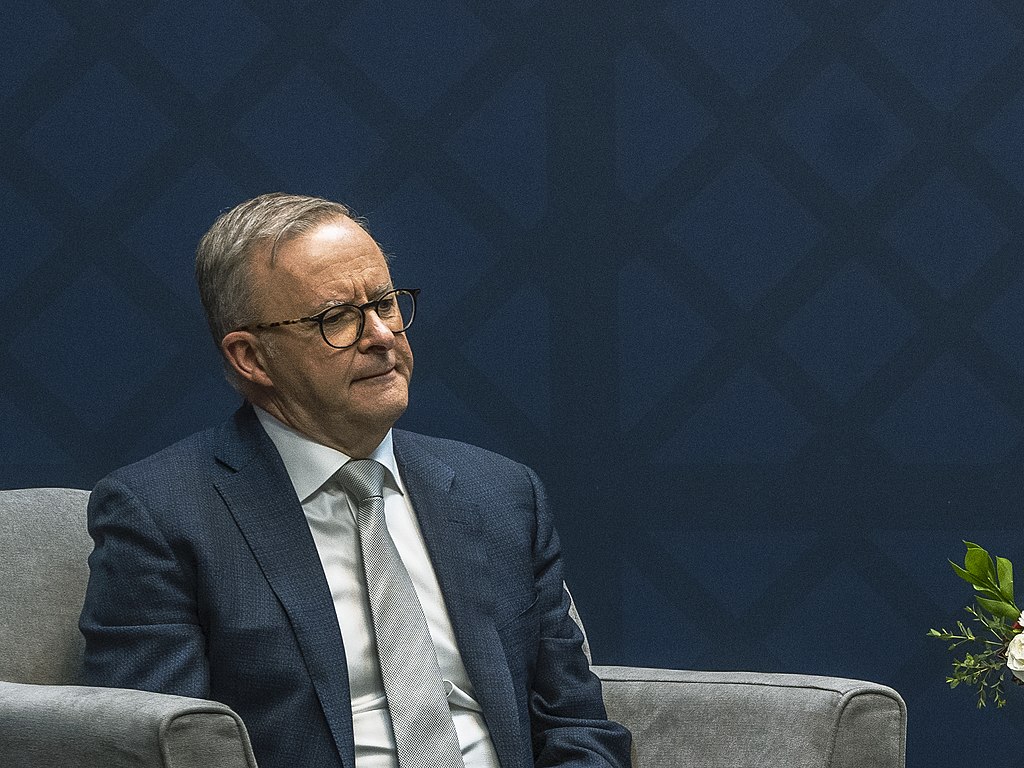
Adding to supply concerns, a fire at Viva Energy's Geelong oil refinery in Victoria — Australia's second most populous state — has reduced operational output. As of Saturday, the facility was running at 80% capacity for diesel and jet fuel, and just 60% capacity for petrol, figures that remained unchanged from the previous day. Despite these reduced levels, Prime Minister Anthony Albanese assured Australians on Friday that the situation would not lead to formal fuel restrictions.
In a proactive move to stabilize supplies, Albanese secured a fuel supply agreement with Malaysian state energy giant Petronas following diplomatic visits to Singapore and Brunei. The deal, aimed at channeling excess fuel stocks to Australia, signals the government's commitment to strengthening long-term energy partnerships across the Asia-Pacific region.
With global energy markets remaining volatile due to the ongoing conflict, Australia's dual approach of relaxing domestic fuel standards while diversifying its import sources reflects a broader strategy to protect consumers and maintain stable fuel availability nationwide.







