


 Trump Open to Pezeshkian Meeting as Iran Tensions Escalate
  Trump Scales Back Endangered Species Act Protections
  Russian Drone Attacks Kill Four in Kyiv Region, Including Three Children
  United Russia Leads Russia Election as Ukraine Drones Hit Moscow
  US, Japan and South Korea Back Taiwan Ahead of Trump-Xi Summit
  Trump Plans Military Complex Inside Washington Triumphal Arch
  Lula Meets Mamdani in New York as Elections Approach
  North Korea Fires Two Ballistic Missiles From Wonsan
  AfD Wins German State Election as Merz’s CDU Hits Historic Low
  Trump, Iran Trade Threats as Middle East Tensions Escalate
  Burnham Eyes UK Leadership Role in AI Ahead of Trump Meeting
  US, Denmark and Greenland Set to Sign Arctic Security Deal
  Canada Unveils Bill to Fast-Track Major Resource Projects
  UK, Mauritius Seek Diego Garcia Base Deal
  Carney Condemns Belleville Synagogue Shooting That Wounded Police Officer
  Trump-Xi Summit Puts Trade Truce and Taiwan in Focus
  CNN, MS NOW and Politico Sue Trump Over White House Media Ban


 Add as a preferred source on Google
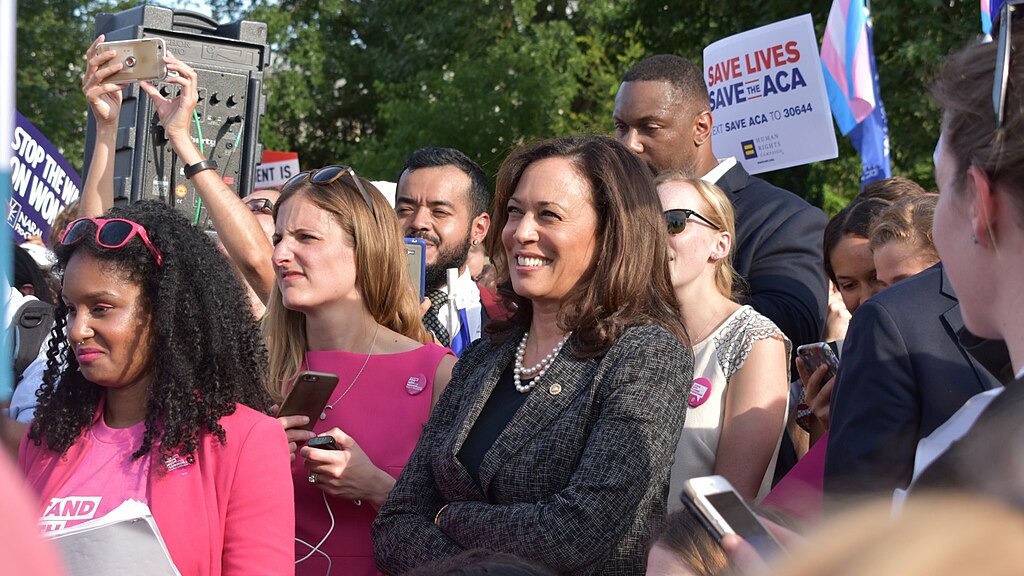
In a developing controversy, Vice President Kamala Harris’ campaign is under fire after reports surfaced suggesting that her team allegedly made significant financial contributions to organizations affiliated with media figures shortly before conducting interviews with them. According to a report from Fox News, these transactions have raised questions about potential conflicts of interest and ethical boundaries in campaign-media relationships.
Alleged Payments Spark Backlash
The allegations center around payments reportedly made to nonprofit organizations and entities managed by prominent media personalities who later conducted interviews with Harris. Critics argue that such payments, if verified, could be perceived as attempts to influence coverage or create a favorable media narrative for the Vice President, particularly during a high-stakes election cycle.
Fox News highlighted that these financial transactions were carried out just weeks prior to the interviews, a timeline that some political analysts find questionable. While there is no concrete evidence that these payments directly influenced editorial decisions, the optics of the situation have ignited heated debates about transparency and accountability in political-media interactions.
Harris Campaign Denies Wrongdoing
The Harris campaign has denied any unethical conduct, stating that the payments were routine contributions to support nonprofit initiatives unrelated to the campaign's political agenda. A spokesperson emphasized that the donations were part of a longstanding practice of supporting civic engagement and media literacy programs, not an effort to curry favor with journalists or media outlets.
"These claims are baseless and misrepresent the nature of the contributions made by the campaign," the spokesperson said in a statement. "Our commitment to fostering independent journalism and civic awareness remains unwavering."
Media Figures Under the Spotlight
While the Harris campaign has dismissed the allegations as a political smear, questions remain regarding the media figures and organizations involved. Critics have called for greater transparency from both the campaign and the media entities to clarify the circumstances surrounding the payments and their potential implications for journalistic integrity.
Media ethics experts have weighed in, noting that even the perception of impropriety can erode public trust in both journalism and political campaigns. They argue that full disclosure of any financial ties between campaigns and media-affiliated organizations is essential to maintaining credibility.
Political Fallout Looms
The controversy comes at a critical time for Harris, as she seeks to solidify her position in a contentious political landscape. Opponents have seized on the reports, framing them as evidence of questionable practices within her campaign. Republican strategists have called for investigations into the matter, while some Democrats have expressed concern over the potential impact on the party's broader messaging efforts.
As the story continues to unfold, the allegations have added another layer of complexity to an already tumultuous election cycle. Whether the controversy will gain traction or fade into the background remains uncertain, but the scrutiny surrounding Harris' campaign is unlikely to dissipate in the short term.







