


 Asian Energy Stocks Slide as Iran-Oman Hormuz Talks Pressure Oil Prices
  US-Canada Tariff War Escalates With 50% Auto Duties
  Dollar Rises as Hotter PCE Inflation Lifts Fed Rate Hike Bets
  Asian Stocks Slip Ahead of Nvidia Earnings and US Inflation Data
  Bank of Korea Raises Rates to 3% as Inflation Stays Sticky
  Asian Stocks Rebound as Oil Prices Fall, Nvidia Earnings in Focus
  Dollar Steady Ahead of Jackson Hole as Yen Holds Firm
  Hong Kong Home Prices Fall 0.5% in July, Ending Long Winning Streak
  Japan Eyes Tax Changes to Curb Condo Speculation
  BOJ’s Himino Signals Timely Rate Hikes as Inflation Risks Rise
  Oil Prices Slide on U.S.-Iran Ceasefire Reports, Hormuz Talks
  Gold Prices Rise Toward $4,650 Ahead of Warsh’s Jackson Hole Speech
  Oil Prices Fall as Middle East Ceasefire Hopes Rise
  Australia Inflation Beats Forecasts, Raising RBA Rate Hike Risk
  Asian Currencies Slip as Dollar Rebounds on Iran Sanctions
  Gold Prices Fall as Stronger Dollar, Fed Rate Outlook Weigh
  Japan Firms Ramp Up Yen Hedging as Currency Weakness Persists


 Add as a preferred source on Google
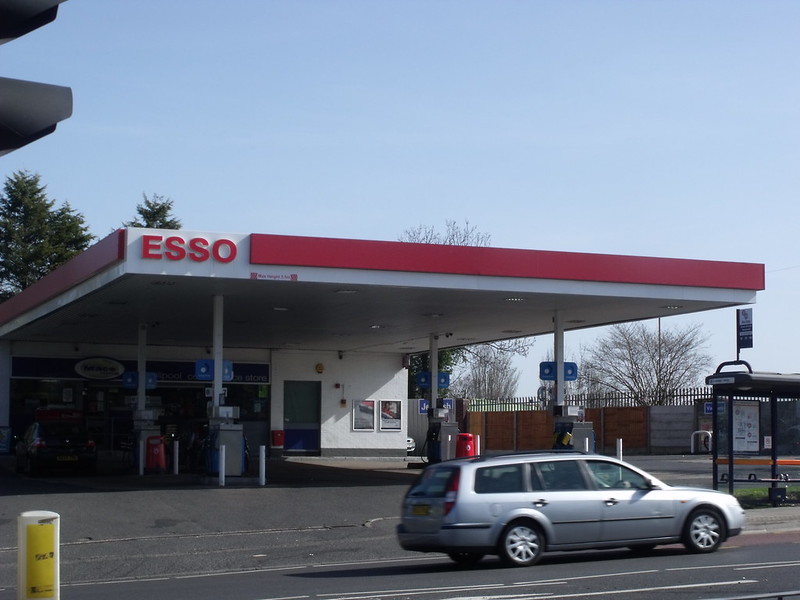

Protesters from the climate activist groups Just Stop Oil and Extinction Rebellion have blocked at least 11 fuel depots across England and disrupted supplies (though it’s always tough to quantify exactly how much disruption there has been).
Petrol stations also experienced delays back in September 2021, partly due to a lack of drivers and resulting panic buying. These two events are caused by two completely different phenomenon on the extremes of supply and demand and go to show just how fragile the modern supply chain is, and how disruption can affect the day to day lives of millions.
Oil is a finite resource that can mostly only be produced at a fixed rate. Governments can and do stockpile reserves to balance seasonal demand spikes and unplanned disruptions such as extreme weather or conflict. However, stockpiling only really helps what we call the “upstream” supply chain, which takes oil from the wells to refineries. What is known as the “downstream” supply chain links the refineries to the pumps, and it is here that the UK’s shortages have occurred.
Petrol companies can only supply at a broadly linear rate, allowing for spikes (or falls) in demand or supply of a few percent. Shortages at the beginning of the 2021 event were within these limits. However, rumours of supply constraints (partly due to a lack of truck drivers to deliver the fuel) and recent memories of food shortages at the start of the pandemic, led to people panic buying. This created queues, which created more hype, leading to more people wanting to fill up before they thought the queues would get worse, and this led to genuine shortages – perhaps an example of a self-fulfilling prophecy.
The driver shortage hasn’t really gone away, yet between late 2021 and mid 2022, there were no more shortages. The queues at the pumps were almost entirely due to human behaviour.
Why is it different now?
This time round, the shortages are again in the downstream supply chain, but are caused by protesters physically blockading refineries, preventing the tankers from replenishing filling stations. Refined petrol and diesel are still transported to fuel stations via lorries, so if you block the lorries leaving, the fuel won’t be delivered.
So the causes are very different, but the current protests may yet led to a similar demand-led shortages if panic buying ensues.
A better parallel might be the events of September 2000 when fuel price protesters blocked refineries, leading to fuel running out for a number of weeks. Blocking deliveries for even a few days will often cause up to two weeks shortages if they lead to panic buying – which leaves a situation where lower than normal filling station tanks need even more replenishing, and thus requiring higher than normal levels of deliveries to correct. The road fuel supply chain is like many modern industries that practise “just-in-time” operations, meaning that very little stock is kept where the consumer buys them, and the system relies on constant replenishment.
Since fuel is delivered by humans, it is hard to catch up quicker than normal. People can only work at a set rate before needing breaks, and it takes time to train and deploy extra workers, it is something that is just not cost effective to do in order to deal with extraordinary circumstances.
What can we do to prevent the problems?
As shortages at the pumps can be caused by two entirely phenomena in the supply chain, preventing them requires two different approaches, both of which are essentially out of the control of supply chain planners. Excessive demand-based shortages can be easily prevented by not panic buying, though this is easier said than done as it involves trying to influence mass consumer behaviour at short notice.
Supply-based shortages, such as the current Stop Oil blockades, can in theory be controlled more easily by governments. After all, this type of protest action is not legal and protesters can be moved on, even if by that point the disruption is often already done.
In recent trials of protesters from the campaign group Insulate Britain, a judge said that, even though the protesters had broken the law, he and large parts of society had sympathy for their environmental causes. Ultimately the protesters have a point: we do need to stop using oil to power road vehicles, and move to battery electric vehicles.







