


 Asian Currencies Slip as Dollar Rebounds on Iran Sanctions
  Asian Stocks Slip Ahead of Nvidia Earnings and US Inflation Data
  BOJ’s Himino Signals Timely Rate Hikes as Inflation Risks Rise
  Dollar Rises as Hotter PCE Inflation Lifts Fed Rate Hike Bets
  RBA Debated Rate Hike as Inflation Risks Persist
  Japan Eyes Tax Changes to Curb Condo Speculation
  Australia Inflation Beats Forecasts, Raising RBA Rate Hike Risk
  Oil Prices Fall as Middle East Ceasefire Hopes Rise
  US Dollar Rises as Inflation Backs Fed Pause, Canadian Dollar Slides
  Unitree Shares Plunge 45% After Blockbuster IPO, Raising China Tech Bubble Fears
  Trump Escalates Canada Trade War With 50% Tariffs
  Bank of Korea Raises Rates to 3% as Inflation Stays Sticky
  Gold Prices Fall as Stronger Dollar, Fed Rate Outlook Weigh
  Gold Prices Hover Near Three-Month High as Oil, Treasury Yields Fall
  US Stocks Finish Flat as Inflation Data, Nvidia Earnings Keep Investors Cautious
  Dollar Steady Ahead of Jackson Hole as Yen Holds Firm


 Add as a preferred source on Google
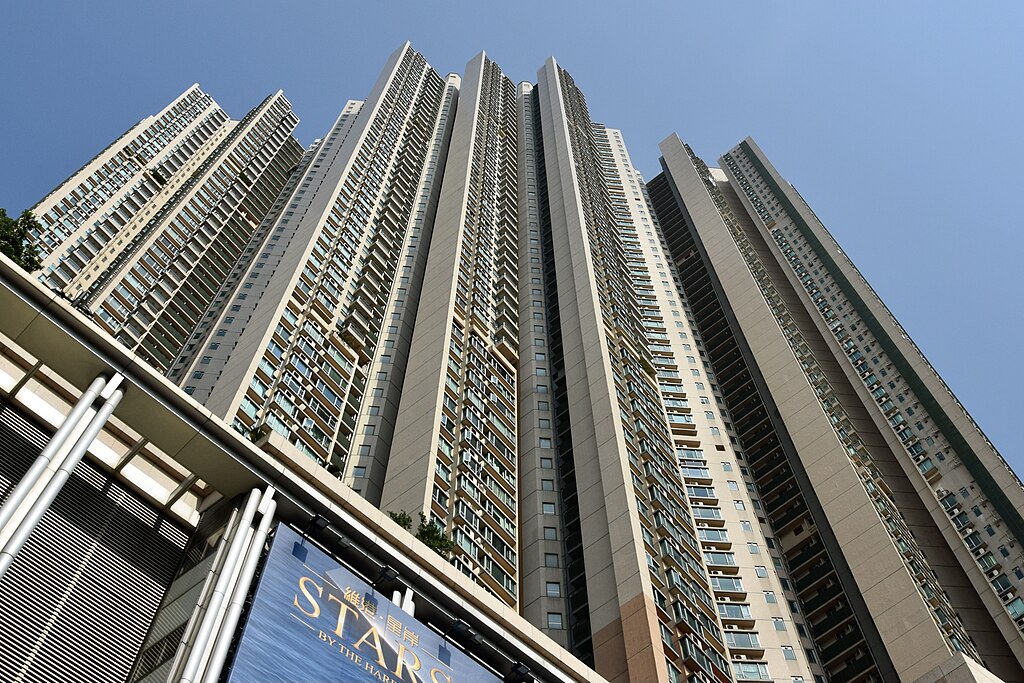
Hong Kong private home prices declined in July, snapping a prolonged period of gains as weaker stock markets and tighter Chinese restrictions on outbound investment weighed on property demand.
Private residential prices fell 0.5% month-on-month in July, marking their first decline since March 2025, according to data released Thursday by Hong Kong’s Rating and Valuation Department. The drop followed a revised 0.2% increase in June.
Despite the monthly decline, Hong Kong property prices remain substantially higher this year. Home values climbed 7.3% during the first seven months of 2026 and have gained 12.8% since reaching their most recent trough in March 2025.
Property market analysts and real estate agents had anticipated a period of short-term consolidation following the lengthy recovery. Buying appetite has recently faced pressure from a correction in the stock market as well as tighter restrictions imposed by China on outbound investment, potentially limiting capital flows into Hong Kong real estate.
Still, several factors continue to provide support for Hong Kong’s housing market. Improving market sentiment, previously strong equity markets and steady demand from a growing population of mainland Chinese professionals have helped underpin residential property sales. An easing supply glut has also contributed to improved conditions in the market.
Hong Kong remains one of the world’s least affordable housing markets, making shifts in borrowing costs, investor confidence and mainland Chinese demand particularly important for the outlook.
The latest decline comes after a significant turnaround in the city’s property sector. Residential prices recorded their first annual increase in 2025 following several years of weakness. Before that recovery, Hong Kong home prices had plunged nearly 30% from their 2021 peak as higher interest rates, economic uncertainty and excess housing supply pressured the market.
The July data suggests Hong Kong’s property recovery may be entering a consolidation phase after strong gains since early 2025. Investors will now watch stock-market conditions, mainland Chinese capital restrictions and housing demand for clues about whether prices can resume their upward trajectory.







