


 Unitree Shares Plunge 45% After Blockbuster IPO, Raising China Tech Bubble Fears
  Gold Prices Hover Near Three-Month High as Oil, Treasury Yields Fall
  US PCE Inflation Holds at 3.7% as Fed Rate Decision Looms
  Asian Energy Stocks Slide as Iran-Oman Hormuz Talks Pressure Oil Prices
  US Stocks Finish Flat as Inflation Data, Nvidia Earnings Keep Investors Cautious
  Trump Escalates Canada Trade War With 50% Tariffs
  Qatar LNG Exports Plunge 96% as U.S.-Iran War Disrupts Gulf Energy Trade
  ECB Rate Hike Bets Rise as Inflation Risks Persist
  Australia Inflation Beats Forecasts, Raising RBA Rate Hike Risk
  Gold Hits Three-Month High as Treasury Moves Fuel Rally
  U.S. Unleashes New Iran Sanctions, Targets Oil, Crypto and Trade Networks
  Oil Prices Slide on U.S.-Iran Ceasefire Reports, Hormuz Talks
  Asian Currencies Slip as Dollar Rebounds on Iran Sanctions
  Oil Prices Fall as Middle East Ceasefire Hopes Rise
  Carney’s Trump Tariff Pushback Wins Canadian Support, but Economic Risks Mount
  US-Canada Tariff War Escalates With 50% Auto Duties
  RBA Debated Rate Hike as Inflation Risks Persist


 Add as a preferred source on Google
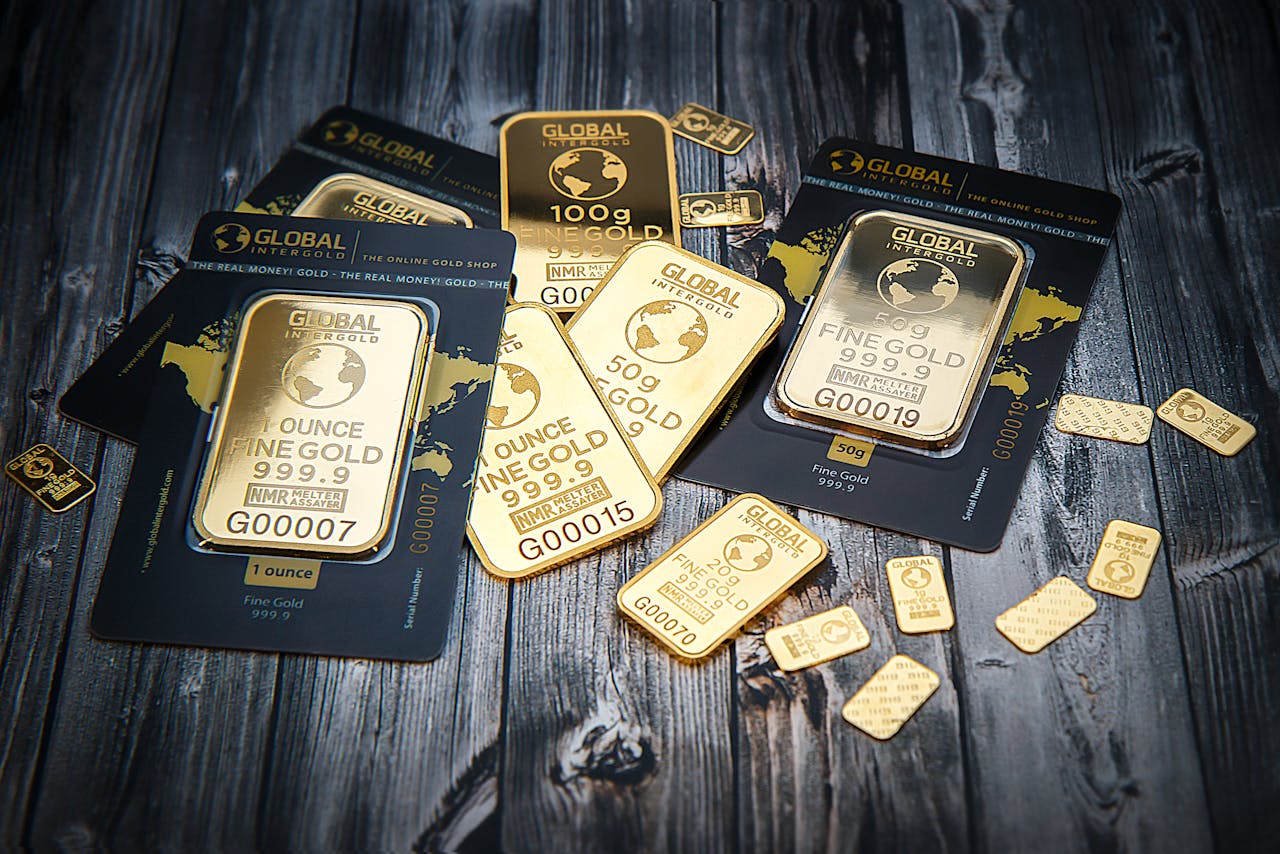
Gold prices declined Wednesday as the U.S. dollar strengthened following mixed inflation and economic data, reinforcing expectations that the Federal Reserve could keep interest rates unchanged in September.
Spot gold fell 1.4% to $4,594.36 an ounce at 16:00 ET, while gold futures dropped 1% to $4,648.26 an ounce.
The Federal Reserve’s preferred inflation measure, the core Personal Consumption Expenditures price index, increased 0.2% month-over-month and 3.3% year-over-year in July, according to the Bureau of Economic Analysis. Both readings matched expectations, although annual core inflation remained well above the Fed’s 2% target.
Headline PCE inflation rose 0.2% monthly and 3.7% annually, slightly exceeding forecasts. Meanwhile, the second estimate for U.S. second-quarter GDP growth remained unchanged at 1.5%. Durable goods orders provided another sign of economic resilience, climbing 1.1% in July compared with expectations for a 0.4% increase.
The combination of persistent inflation and steady economic activity strengthened the case for the Fed to maintain current interest rates. CME FedWatch data showed the probability of no rate change in September rising to nearly 64%, from around 60% a day earlier.
Gold had rallied the previous week as concerns about U.S. government debt, higher Treasury yields and heavy corporate borrowing fueled renewed interest in the so-called debasement trade. Investors seeking alternatives to fiat currencies pushed money toward hard assets such as gold and cryptocurrencies, while the U.S. dollar index lost nearly 1%.
Markets are now awaiting Fed Chair Kevin Warsh’s Jackson Hole speech on Friday for additional clues about inflation risks and the longer-term monetary policy outlook.
Geopolitical uncertainty also remained in focus. Reports suggested Russia could intensify attacks on Ukraine as peace negotiations stall. In the Middle East, traders monitored signs of diplomatic progress involving Iran, the United States and Oman, including reports of a potential ceasefire and a temporary shipping route through the Strait of Hormuz.
Any escalation in geopolitical tensions could revive safe-haven demand for gold, while further dollar strength and expectations for prolonged high interest rates may continue to pressure bullion.







