


 CIA Chief Ratcliffe Holds Talks With Russian Intelligence in Moscow
  Netanyahu Says Iran Tried to Kill His Son
  Trump Escalates Canada Trade War With 50% Tariffs
  U.S. Probes Apex Logistics Over Nvidia AI Chip Shipments to China
  US-Canada Tariff War Escalates With 50% Auto Duties
  U.S. Caribbean Vessel Strike Kills Four in Latest Anti-Drug Operation
  New Zealand Labour Backs Social Media Ban for Under-16s
  Trump Administration Plans New Drug Pricing Deals With Biotech Firms
  34 Australians Missing After Deadly Nepal Floods
  US Removes Syria From Terrorism Sponsor List
  NYC Mayor Mamdani Opposes RSS Chief Mohan Bhagwat’s Manhattan Event
  CIA Director John Ratcliffe Visits Moscow for Talks With Russian Officials
  Iran Vows Retaliation as U.S. Expands Sanctions Pressure
  Trump Floats ‘Lake America’ Rename as US-Canada Trade Tensions Deepen
  Zelenskiy Sees U.S. Mediation Window for Ukraine Peace Through Summer 2027
  Carney’s Trump Tariff Pushback Wins Canadian Support, but Economic Risks Mount
  Trump Administration Pauses Visa Appointments Worldwide


 Add as a preferred source on Google
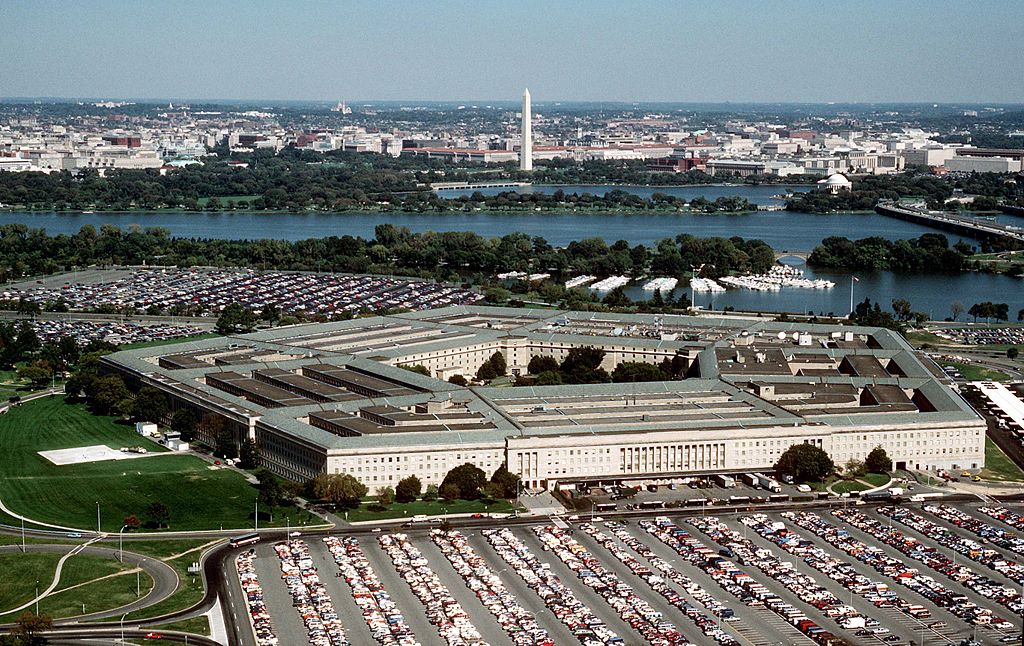
A Pentagon review of U.S. military deployments in Europe is expected to produce at least four options for Defense Secretary Pete Hegseth by November 6, as Washington considers potentially reducing its troop presence across the continent.
The review, launched in June and scheduled for completion by December, has raised concerns among NATO allies that the Trump administration could make significant cuts to the roughly 80,000 U.S. troops currently stationed in Europe.
According to the Pentagon’s Terms of Reference seen by Reuters, the review will examine U.S. military basing arrangements and other strategic considerations. The top U.S. commander in Europe is expected to participate in a key briefing with Pentagon policy chief Elbridge Colby by September 18, helping shape the options ultimately presented to Hegseth.
Colby is also expected to discuss the review with NATO ambassadors in Brussels on Thursday.
A senior Pentagon official said policymakers want to examine the advantages and disadvantages of different U.S. force levels and deployments. Washington has signaled that European allies should assume greater responsibility for regional security while the United States shifts toward more limited support.
President Donald Trump has repeatedly criticized NATO countries for what he views as inadequate defense contributions. His administration has also expressed frustration with some allies over their response to the U.S.-Israeli war against Iran, including disputes involving access to military bases and permission for U.S. aircraft to use allied airspace.
Hegseth previously accused some NATO members of “free-riding” and said the deployment review would closely examine U.S. access, basing and overflight rights.
The Pentagon review will also consider allied support for U.S. space, cyber and intelligence operations, as well as infrastructure that enables American military power projection worldwide.
Another factor will be whether NATO members have credible plans to meet their defense spending commitments and address capability gaps within the NATO Force Model.
Washington has sent allies a questionnaire covering defense spending, military procurement, strategy, access restrictions and support for U.S. foreign policy priorities. Responses are due Friday.
The Pentagon official emphasized that no final force level has been determined, saying the review is intended to provide Hegseth with a broad range of options for the future U.S. military presence in Europe.







