


 Trump Escalates Canada Trade War With 50% Tariffs
  Gold Prices Hover Near Three-Month High as Oil, Treasury Yields Fall
  Gold Hits Three-Month High as Treasury Moves Fuel Rally
  Gold Prices Fall as Stronger Dollar, Fed Rate Outlook Weigh
  Asian Energy Stocks Slide as Iran-Oman Hormuz Talks Pressure Oil Prices
  Asian Stocks Slip Ahead of Nvidia Earnings and US Inflation Data
  Oil Prices Fall as Middle East Ceasefire Hopes Rise
  Japan Eyes Tax Changes to Curb Condo Speculation
  Qatar LNG Exports Plunge 96% as U.S.-Iran War Disrupts Gulf Energy Trade
  US Dollar Rises as Inflation Backs Fed Pause, Canadian Dollar Slides
  Asian Currencies Slip as Dollar Rebounds on Iran Sanctions
  ECB Rate Hike Bets Rise as Inflation Risks Persist
  U.S. Unleashes New Iran Sanctions, Targets Oil, Crypto and Trade Networks
  Carney’s Trump Tariff Pushback Wins Canadian Support, but Economic Risks Mount
  Unitree Shares Plunge 45% After Blockbuster IPO, Raising China Tech Bubble Fears
  Oil Prices Edge Higher as US-Iran Sanctions Fuel Supply Concerns
  Dollar Rises as Hotter PCE Inflation Lifts Fed Rate Hike Bets


 Add as a preferred source on Google
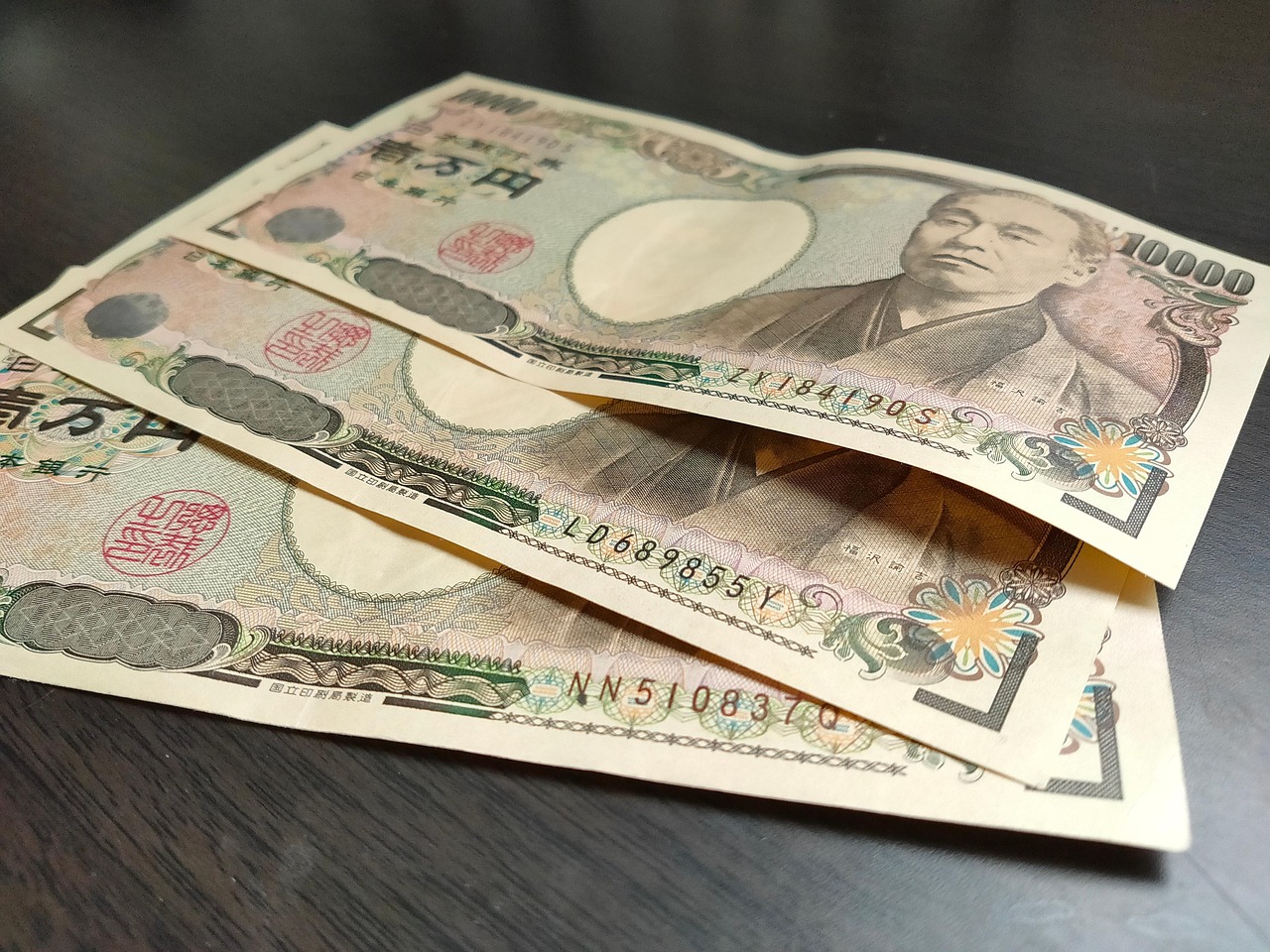
Japanese companies are increasingly turning to currency hedging as persistent yen weakness drives up import costs and creates uncertainty for businesses dependent on overseas goods.
Taku Ueno, CEO of Takara MC, which operates 43 supermarkets south of Tokyo, imports products including U.S. beef, Spanish olive oil and Italian tomatoes. Rapid changes in the USD/JPY exchange rate have prompted his company to negotiate longer-term contracts with suppliers, locking in prices and exchange rates for up to a year.
“For U.S. beef, we used to negotiate every month, but the exchange rate is changing so quickly we now negotiate every three months,” Ueno said. The strategy allows the supermarket operator to delay price increases that could discourage customers.
The yen has fallen more than 30% against the U.S. dollar over the past five years despite Japanese currency interventions in 2022, 2024 and 2026, including rare coordinated U.S.-Japan buying in July and August. After approaching a 40-year low near 164 per dollar in July, the yen recently traded around 159.
Japan’s relatively low interest rates, gradual monetary tightening and concerns over government debt under Prime Minister Sanae Takaichi have contributed to pressure on the currency.
With businesses increasingly reluctant to assume the yen will recover, demand for futures, forwards and options has surged. Daiwa Securities said some clients now want to lock in exchange rates for five to 10 years, compared with traditional hedging periods ranging from several months to one year.
Bank of America has also expanded its Japan foreign exchange team over the past two years to handle rising demand.
Nitori Holdings, Japan’s largest furniture retailer, estimates that every 1-yen increase in USD/JPY reduces profit by about 2 billion yen ($12.5 million). Although Nitori currently does not hedge its exposure, it could consider currency forwards if prolonged yen weakness continues.
Market participants remain cautious despite recent intervention and expectations for higher Japanese interest rates. J.P. Morgan’s Daiki Hayashi said many investors expect USD/JPY to remain broadly between 155 and 165, highlighting continued uncertainty over the yen’s outlook.







