


 US Dollar Rises as Inflation Backs Fed Pause, Canadian Dollar Slides
  Gold Prices Rise Toward $4,650 Ahead of Warsh’s Jackson Hole Speech
  BOJ Rate Hike Expectations Rise Ahead of September Meeting
  US Stocks Finish Flat as Inflation Data, Nvidia Earnings Keep Investors Cautious
  Qatar LNG Exports Plunge 96% as U.S.-Iran War Disrupts Gulf Energy Trade
  RBA Debated Rate Hike as Inflation Risks Persist
  Asian Chip Stocks Mixed After Nvidia Earnings Beat
  Oil Prices Slide on U.S.-Iran Ceasefire Reports, Hormuz Talks
  Gold Prices Hover Near Three-Month High as Oil, Treasury Yields Fall
  Asian Energy Stocks Slide as Iran-Oman Hormuz Talks Pressure Oil Prices
  RBI Holds Repo Rate at 5.25% as Inflation Risks and Global Uncertainty Persist
  Unitree Shares Plunge 45% After Blockbuster IPO, Raising China Tech Bubble Fears
  Oil Prices Fall as Middle East Ceasefire Hopes Rise


 Add as a preferred source on Google
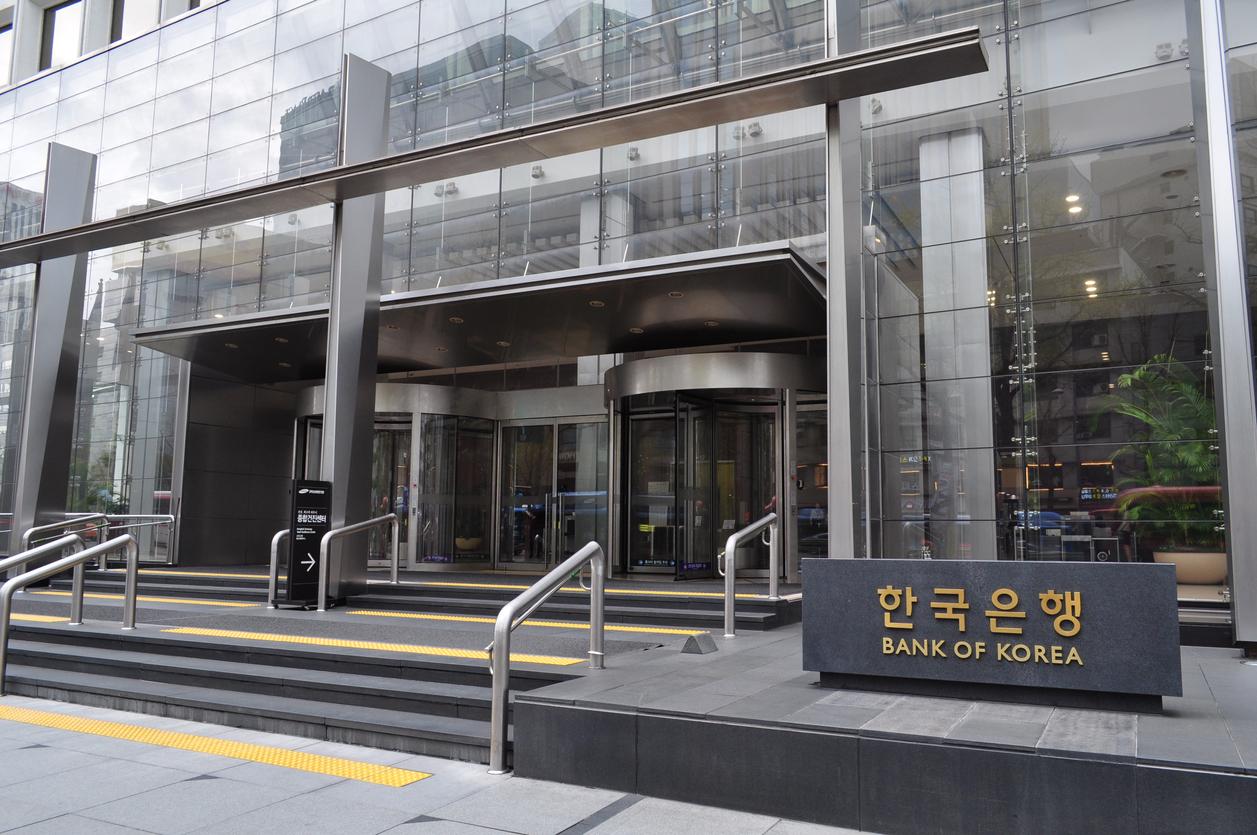
The Bank of Korea raised interest rates for a second consecutive meeting on Thursday, stepping up efforts to contain persistent inflation as South Korea’s economy benefits from strong semiconductor exports and the artificial intelligence boom.
The BOK increased its benchmark interest rate by 25 basis points to 3.0%, bringing borrowing costs to their highest level since early 2025. The move followed another 25-basis-point increase at the previous meeting and was widely anticipated by financial markets after policymakers delivered increasingly hawkish signals over the past month.
South Korea’s inflation outlook has remained challenging as robust economic growth fuels domestic price pressures. Higher energy costs stemming from the ongoing Middle East conflict have also contributed to inflation, although the Bank of Korea has indicated that demand-driven price increases are a greater concern than temporary supply shocks.
The South Korean economy expanded 3.7% in the second quarter, supported largely by booming semiconductor exports. Strong global demand for chips linked to artificial intelligence infrastructure has provided a major boost to the export-dependent economy.
However, the strength has not been evenly distributed. Analysts have warned that South Korea’s economic recovery remains unbalanced, with domestic demand and private consumption continuing to lag behind the export sector. That weakness could limit how aggressively the central bank raises interest rates from current levels.
“The economy is strong enough to absorb today’s increase, but the case for further hikes is less clear,” analysts at Capital Economics said.
Capital Economics expects the Bank of Korea to face less pressure to continue tightening monetary policy in the coming months. The firm currently anticipates only one additional 25-basis-point rate hike by 2027.
The outlook suggests the BOK may adopt a more cautious approach after its latest back-to-back increases, balancing persistent inflation risks against weak household consumption and uneven domestic economic conditions.







