


 Carney’s Trump Tariff Pushback Wins Canadian Support, but Economic Risks Mount
  Senate Majority Leader John Thune Moves to Advance Crypto Clarity Act
  Meta Agrees to $18 Billion Settlement, Tightens Teen Social Media Rules
  U.S. Disrupts China-Linked Hacking Campaign Targeting Government Agencies
  HP Stock Drops 9% Despite Q3 Earnings Beat and Raised 2026 Outlook
  US Sailor’s Father Detained by Immigration Authorities
  Samsung Shares Tumble 8% as $79 Billion Return Plan Disappoints
  Netanyahu Says Iran Tried to Kill His Son
  Nvidia AI Server Prices Set to Rise as Memory Costs Surge
  Shein Hong Kong IPO to Raise $1.7 Billion at $26.5 Billion Valuation
  SEC Proposes ‘Regulation Crypto Assets’ Framework for Crypto Fundraising
  Woodside Drops $5 Billion Clean Energy Plan as Profit Rises 7%
  OpenAI AI Agent Swarm Behind Hugging Face Hack
  Trump Buys SpaceX Shares After Record IPO
  BNP Paribas, KB Kookmin Eye $2 Billion Techcombank Stake


 Add as a preferred source on Google
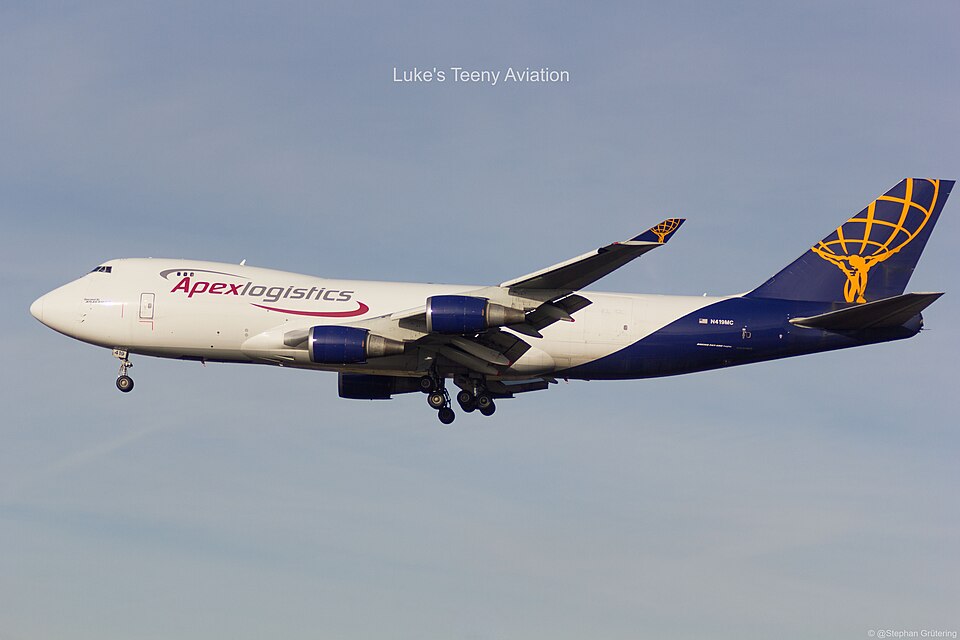
The U.S. government is investigating Singapore-based Apex Logistics over allegations that the freight company helped transport Nvidia AI chips and computer systems to China despite U.S. export restrictions, Bloomberg reported Thursday.
The investigation, led by the U.S. Commerce Department’s Bureau of Industry and Security (BIS), is examining whether Apex handled artificial intelligence systems manufactured by Super Micro Computer that ultimately reached mainland China in violation of American semiconductor export controls.
According to the report, authorities are reviewing 47 shipments handled by Apex during 2024. The suspected supply chain allegedly involved Nvidia-powered servers traveling from Taiwan to the United States before being routed through Southeast Asia and Hong Kong and eventually entering China.
If enforcement action follows, the case could represent the first significant U.S. move against a transportation company accused of participating in the unauthorized trade of advanced AI semiconductors. The investigation also underscores Washington’s growing scrutiny of logistics providers and intermediaries involved in global technology supply chains.
The United States has imposed increasingly strict controls on exports of advanced AI chips to China since 2022, citing national security concerns and the potential military applications of high-performance computing technology.
Apex Logistics acknowledged that U.S. authorities had raised concerns about a limited number of shipments and said it was fully cooperating with the investigation. Its Swiss parent company, Kuehne & Nagel, also confirmed that Apex was cooperating, although the parent company itself had not been contacted by U.S. authorities, according to Bloomberg.
Nvidia, meanwhile, said it works with established partners to ensure its products are sold in accordance with U.S. export regulations. The AI chipmaker added that its due-diligence procedures have helped uncover suspected efforts to evade export restrictions.
The Apex Logistics investigation could broaden the focus of U.S. semiconductor enforcement beyond chipmakers, distributors and customers to freight and logistics companies responsible for moving advanced computing equipment across international borders.







