


 Taiwan Thanks US for Support Ahead of Trump-Xi Summit
  Macron Challenges Trump’s Gaza Peace Claims at UN
  US Invites Putin to Miami G20, Opening Door to Trump Summit
  Russian Missile and Drone Attack on Kyiv Kills Two, Damages Maternity Hospital
  Gaza Faces Evacuation Crisis as War-Damaged Buildings Risk Collapse
  Lula and Flavio Bolsonaro Tied in Brazil Runoff Poll
  Sudan Rejects US Legitimacy Remarks, Defends Sovereignty
  Judge Orders Trump to Restore White House Access for CNN, MS NOW and Politico
  South Korea, US Discuss Warship Building Cooperation
  Marco Rubio to Meet Russia’s Lavrov in New York
  Scott Bessent Eyed as Trump’s New AI Czar
  China Tightens Fentanyl Rules Ahead of Trump-Xi Summit
  US Officials Split Over Response to Israeli West Bank Settlements
  Trump Says ‘Freedom’ Is Coming to Cuba
  Netanyahu Takes Aim at Mamdani as Israel Election Nears
  Venezuela Promises Elections as Delcy Rodriguez Pledges Democratic Transition
  Trump Administration Plans Faster FDA Reviews for Smoke-Free Nicotine Products


 Add as a preferred source on Google
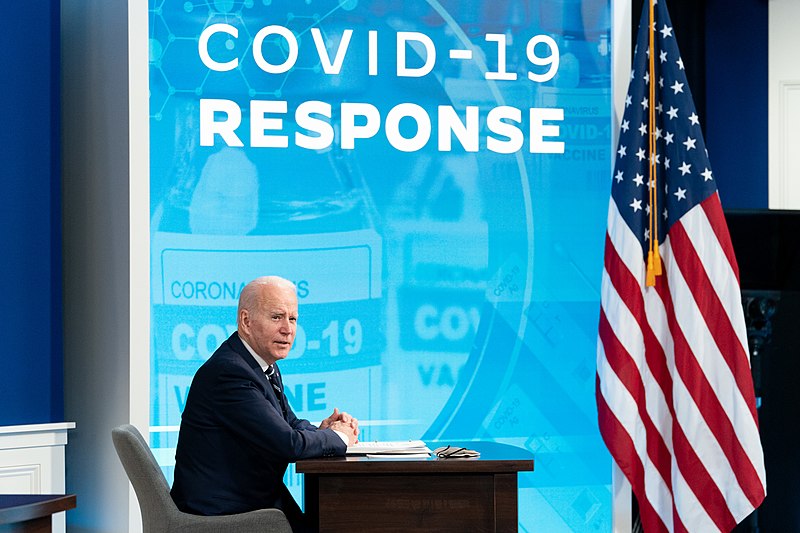
Since taking office in January 2021, the Biden administration has seen an influx of migrants looking to enter the United States. A federal appeals court recently ruled that expulsions at the border may continue, upholding a policy of Biden’s predecessor.
Friday last week, a federal appeals court ruled that the US can continue to expel migrants that are caught trying to cross the border between the US and Mexico. However, the court noted that the expulsion should be avoided if the migrant faces persecution or torture if sent back. The ruling mostly upholds a policy enacted under Donald Trump, who pursued a hardline stance on immigration.
This ruling comes as a group of affected asylum seekers and migrants represented by the ACLU and other non-profit organizations filed a lawsuit against Title 42, which has mostly been upheld by the Biden administration. Human rights groups argued that the expulsions were illegal. However, the panel of judges disagreed, saying that it is likely that those arrivals “have no right to be in the United States” and that the Executive could order their expulsions.
“The Executive cannot remove aliens to a country where their ‘life or freedom would be threatened’ on account of their ‘race, religion, nationality, membership in a particular social group, or political opinion,” or “to a country where they will likely be tortured,” said the court in its ruling.
ACLU lawyer Lee Gelernt told CNN Friday that the ruling would put an end to Title 42 being used to expel those seeking asylum in the country.
In other related news, energy historian Daniel Yergin told Bloomberg that Biden must restore the government’s historical ties with the oil industry. Yergin explained that while Biden has asked OPEC to pump more crude in order to ease gas and energy prices, he has yet to make the same gestures to the local industry.
Yergin went on to explain that as energy prices continue to rise, Biden’s administration must work closely with producers, especially at this time with the crisis in Ukraine.
“It’s now time to build those channels of communication and it has to come from the government reaching out in a non-confrontational way,” said Yergin. “Energy security fell off the table in the US as we became self-sufficient in energy, and in fact, it was like amnesia. It was not only taken for granted, it’s just forgotten.”







