


 US, China Extend Trade Truce to Jan. 10 Ahead of Trump-Xi Summit
  Iran Vows ‘Crushing’ Response as US Talks Continue
  Trump Says ‘Freedom’ Is Coming to Cuba
  Vietnam, US Trade Deal Could Be Signed Soon, To Lam Says
  Sudan Rejects US Legitimacy Remarks, Defends Sovereignty
  US Officials Split Over Response to Israeli West Bank Settlements
  Canada Unveils Bill to Fast-Track Major Resource Projects
  Venezuela Promises Elections as Delcy Rodriguez Pledges Democratic Transition
  Lula and Flavio Bolsonaro Tied in Brazil Runoff Poll
  Europe Warns Russia Is Escalating Hybrid Attacks Across NATO
  Gaza Faces Evacuation Crisis as War-Damaged Buildings Risk Collapse
  US Invites Putin to Miami G20, Opening Door to Trump Summit
  Trump Board of Peace Unveils $2.45 Billion Gaza Recovery Plan
  Macron Challenges Trump’s Gaza Peace Claims at UN
  Zelenskiy Warns Russia Preparing Major Attack on Ukraine
  Marco Rubio to Meet Russia’s Lavrov in New York
  Trump Meets Venezuela’s Delcy Rodriguez at UN Assembly


 Add as a preferred source on Google
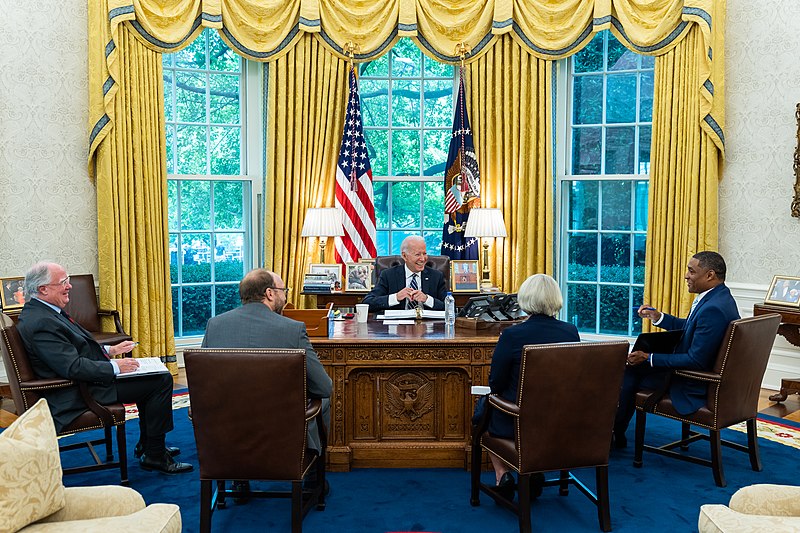
Another threat that the US is facing is on a cyber scale as the country has been subject to ransomware attacks for some time. This week, US President Joe Biden met with tech CEOs to discuss cybersecurity following the ransomware attacks.
Biden and some Cabinet officials hosted executives of tech companies such as Apple, Google, Amazon, and Microsoft and other finance and utility companies Wednesday. The Cabinet officials present were DHS Secretary Alejandro Mayorkas, Commerce Secretary Gina Raimondo, Energy Secretary Jennifer Granholm, and other cybersecurity experts.
The meeting centered on cybersecurity following months of cyberattacks on various sectors, including a major oil pipeline, the Microsoft email exchange system as well as a meat-packing company. Following the discussions, the executives of the tech companies announced that they would be making investments and carrying out training programs in cybersecurity.
Microsoft is planning to make a $20 billion investment in cybersecurity efforts that will span five years. The company will also invest $150 million in assisting government agencies in upgrading protections in cyberspace.
Amazon released a statement saying that it will make its employee cybersecurity training available to the public. Google said that it would invest $10 billion in a span of five years to “secure the software supply chain.”
Analysts have called for Biden to impose sanctions on Russia and other countries over harboring cybercriminals. Other analysts, however, have suggested that more scrutiny be placed on cryptocurrency -- the form of payment often used by hackers and ransomware groups.
Meanwhile, a report by the New York Times revealed that then- Israeli Prime Minister Benjamin Netanyahu reportedly “scaled back” the intelligence cooperation of Israel when Biden took office in January. The US has relied on intelligence from Israel regarding the growing nuclear program of Iran, following Tehran’s crackdown on the US spy network in the country.
Anonymous US and Israeli officials were cited as saying that following the end of Donald Trump’s term as president, Jerusalem withheld information from the incoming Biden administration in order to prevent Washington from stopping covert military operations that sought to obstruct Iran’s nuclear program.
This includes the strike on Iran’s Natanz nuclear facility back in April.







