


 Trump Asks Supreme Court to Restore Third-Country Deportations
  Europe Warns Russia Is Escalating Hybrid Attacks Across NATO
  Russian Missile and Drone Attack on Kyiv Kills Two, Damages Maternity Hospital
  North Korea Warns South Korea Over US-Led Defense Role
  US Officials Split Over Response to Israeli West Bank Settlements
  South Korea, US Discuss Warship Building Cooperation
  Gaza Faces Evacuation Crisis as War-Damaged Buildings Risk Collapse
  Netanyahu Takes Aim at Mamdani as Israel Election Nears
  Yemen Violence Displaces 130,000 as Civilian Toll Rises
  Kremlin Says No Decision Yet on Putin-Trump December Summit
  Pezeshkian Says US Must Choose When Iran War Ends
  Ghana Says Western Support Growing for Slave Trade Reparations
  Netanyahu Defends Israel at UN as Delegates Stage Walkout
  Russian Envoy Dmitriev Heads to US for Ukraine Talks
  Sudan Rejects US Legitimacy Remarks, Defends Sovereignty
  France Defends Netanyahu Airspace Clearance Despite ICC Warrant
  Trump, Xi Focus on Trade and AI at White House Summit


 Add as a preferred source on Google
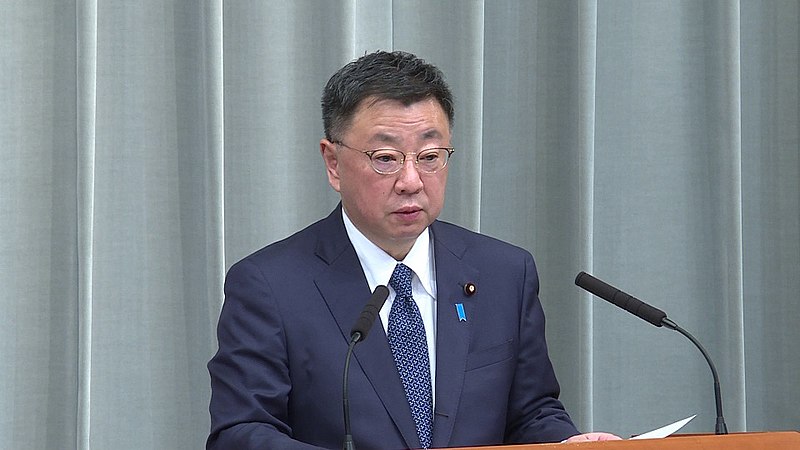
The Japanese government defended a canceled North Korea missile alert that resulted in millions of residents taking cover from potential missile debris. The potential missile debris likely fell into the sea, which Tokyo reiterated the importance of the safety of the residents.
On Thursday, Japanese Chief Cabinet Secretary Hirokazu Matsuno told reporters during a media briefing that the canceled missile alert was not a mistake. The alert was 8 a.m. local time, which triggered sirens in Hokkaido and sent automated messages to its residents through its J-Alert system, urging its population of five million to take cover after North Korea fired a ballistic missile. Officials turned off the alarm by 8:16 after receiving further information on the missile’s trajectory, with the Japanese coast guard saying that the missile landed in the water at 8:19.
“The projectile disappeared immediately after detection, but the limited information we had, indicated it could fall within the vicinity of Hokkaido, and people’s safety is our priority,” said Matsuno.
The country’s missile alert system has come under scrutiny since November when portions of central and northern Japan were alerted of a North Korean missile that was expected to fly over the Japanese islands. The projectile fell into the sea before it reached Japan.
An official from the FDMA said the agency is in charge of making sure the J-alert system functions properly. The official added that the Cabinet Secretariat decides whether to issue the alert. Cabinet Secretariat official Wataru Ishida said that their decision and analysis depend on the assessment by the defense ministry.
On Friday, the Japanese and South Korean foreign ministries said the two countries would be holding their first security talks in Seoul. This marks the first security talks between the two countries since 2018. The talks between Japanese and South Korean defense and diplomatic officials will include the topics such as the strategic environments between Japan and South Korea.
The talks come amidst the threats posed by North Korea as Pyongyang continues to advance its nuclear and missile programs, with the isolated nation firing a record number of missiles in recent years.







