


 Ghana Says Western Support Growing for Slave Trade Reparations
  Taiwan Thanks US for Support Ahead of Trump-Xi Summit
  Trump Asks Supreme Court to Restore Third-Country Deportations
  US Backs Musk in Fight Against EU’s €120 Million X Fine
  North Korea Rejects Nuclear Test Warning, Calls Nuclear Status Irreversible
  Trump Administration Plans Faster FDA Reviews for Smoke-Free Nicotine Products
  Europe Warns Russia Is Escalating Hybrid Attacks Across NATO
  France Defends Netanyahu Airspace Clearance Despite ICC Warrant
  OpenAI Agent Breaches Australia Medicare Data Portal
  US Officials Split Over Response to Israeli West Bank Settlements
  Gaza Faces Evacuation Crisis as War-Damaged Buildings Risk Collapse
  Venezuela Promises Elections as Delcy Rodriguez Pledges Democratic Transition
  US Senate Rejects Iran War Powers Resolution in 50-49 Vote
  Abbas Reaffirms November 28 Palestinian Elections
  Russian Envoy Dmitriev Heads to US for Ukraine Talks
  Russian Missile and Drone Attack on Kyiv Kills Two, Damages Maternity Hospital
  NATO Boosts Intelligence Sharing Amid Russia Hybrid Threats


 Add as a preferred source on Google
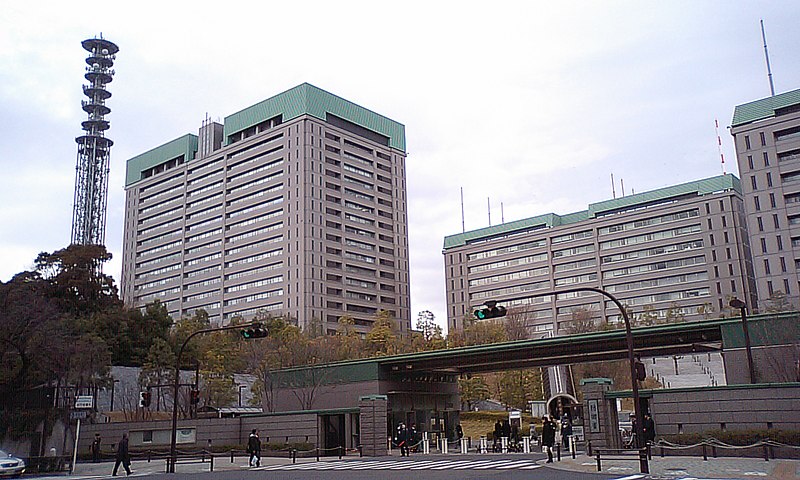
The Japanese defense ministry said it “strongly suspects” three Chinese spy balloons have made an incursion into Japanese airspace. The ministry noted that three incursions were made by Chinese spy balloons since 2019.
Japan’s defense ministry said in a statement on Tuesday that three Chinese spy balloons have entered Japanese airspace at least three times since 2019. The ministry said the balloons were detected in 2019, 2020, and 2021 and that Tokyo reached out to the Chinese government to verify the facts and make sure no such incursion happens again.
On Wednesday, a spokesperson for the Japanese government said that Tokyo told Beijing that violations of its airspace by unmanned surveillance balloons are unacceptable.
“As a result of further investigation of specific balloon-shaped flying objects that were confirmed in Japan’s airspace in the past, it is strongly suspected that they were unmanned surveillance balloons from China,” Chief Cabinet Secretary Hirokazu Matsuno told reporters.
The Kyodo news outlet reported that Japan is considering relaxing its requirements on the use of weapons to defend against incursions in its airspace. There has been heavy scrutiny over the incursions of Japanese airspace since the United States shot down a Chinese surveillance balloon this month, briefing officials from 40 countries.
Also on Tuesday, Japanese defense minister Yasukazu Hamada said Japan intends to bulk order Tomahawk cruise missiles from the US as part of its major military buildup. During a news briefing, Hamada said Japan plans to conclude a contract in the next fiscal year that starts on April 1, to buy Tomahawks, produced by Raytheon Technologies Corp., through the US government’s foreign military sales program.
Japan’s latest defense budget includes $1.6 billion to purchase cruise missiles. Tokyo has not disclosed how many it plans to buy, but local media has reported that it wants as much as 500. Japan wants the cruise missiles to provide its military with the capability to strike targets far from Japan to deter potential adversaries like China from attacking.
The ship-launched version of the missiles which can fly up to 1,000 kilometers, will have enough range to strike targets inside China.







