


 Yemen Violence Displaces 130,000 as Civilian Toll Rises
  Russian Missile and Drone Attack on Kyiv Kills Two, Damages Maternity Hospital
  Gaza Faces Evacuation Crisis as War-Damaged Buildings Risk Collapse
  US, China Extend Trade Truce to Jan. 10 Ahead of Trump-Xi Summit
  Netanyahu’s Brief US Trip Highlights Strains With Trump
  NATO Boosts Intelligence Sharing Amid Russia Hybrid Threats
  US Officials Split Over Response to Israeli West Bank Settlements
  Abbas Reaffirms November 28 Palestinian Elections
  Taiwan Thanks US for Support Ahead of Trump-Xi Summit
  Ghana Says Western Support Growing for Slave Trade Reparations
  Europe Warns Russia Is Escalating Hybrid Attacks Across NATO
  Sudan Rejects US Legitimacy Remarks, Defends Sovereignty
  Netanyahu Defends Israel at UN as Delegates Stage Walkout
  Trump Administration Plans Faster FDA Reviews for Smoke-Free Nicotine Products
  Netanyahu Takes Aim at Mamdani as Israel Election Nears
  France Defends Netanyahu Airspace Clearance Despite ICC Warrant
  OpenAI Agent Breaches Australia Medicare Data Portal


 Add as a preferred source on Google
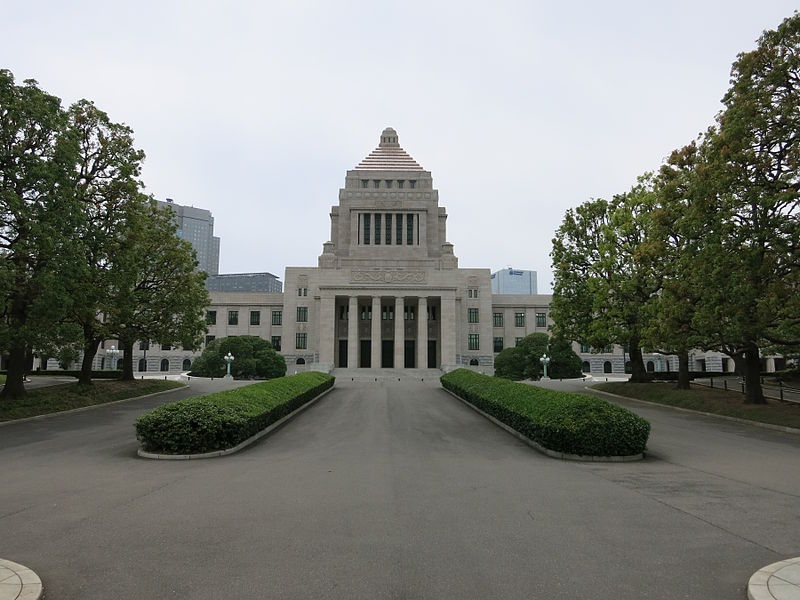
The lower house of parliament in Japan has passed the record budget for the government for the coming fiscal year. The new budget would include record defense spending in the face of threats coming from North Korea and China.
On Tuesday, Japan’s lower house of parliament passed the record budget of ¥114.4 trillion for the next fiscal year, which starts in April. The budget for the coming fiscal year includes record military spending to tackle the threats coming from China and North Korea. The budget also includes record welfare spending for the country’s aging population.
Japanese Prime Minister Fumio Kishida’s administration has also hinted at another plan to increase childcare funding in the hope of arresting the dropping birth rate. As the budget is passed by the lower house, the upper house of parliament is highly likely going to approve the proposal.
Japan is already currently dealing with 263 percent more debt as the country increases spending packages and the increased welfare costs. This is double the ratio of the United States and the highest among the world’s biggest economies.
The controversial plan by Kishida to increase the country’s defense spending to two percent of its GDP by 2027 has contributed to a record ¥6.8 trillion increase in spending. Japan must also tackle the rising interest rates that, while still below the rates in the US and Europe, are testing the country’s central bank’s ability to keep borrowing costs low.
On Wednesday, South Korean President Yoon Suk-yeol stressed the importance of trilateral cooperation with Japan and the US to tackle increased threats from North Korea and its nuclear program. Yoon’s remarks were part of his speech commemorating the anniversary of South Korea’s March First independence movement against Japan’s occupation of Korea from 1910 to 1945.
“Japan has transformed from a militaristic aggressor of the past into a partner that shares the same universal values as us,” said Yoon in his remarks. “Today Korea and Japan cooperate on issues of security and economy. We also work together to cope with global challenges…We must stand in solidarity with countries that share universal values.”







